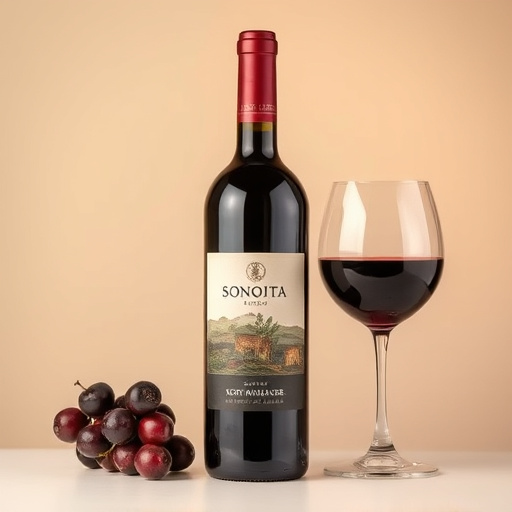
Comparing sonoita az wine naturally vintages reveals terroir's impact on grape expression, offering insights into climate change effects. Through sensory analysis and expert guidance, consumers can explore regional evolution, distinct character, and the intricate relationship between land and wine. Cellar tours provide an educational experience, enhancing appreciation for the art and science of winemaking in unique Arizona conditions.
Comparing vintages while touring Sonoita, AZ's climate-controlled cellars offers a unique perspective for wine enthusiasts. Understanding the intricate relationship between climate and terroir is crucial in appreciating the nuanced differences between batches. However, navigating these complexities requires expertise to discern subtle variations. This article provides an authoritative guide, enabling you to delve into the art of vintage comparison with informed insight. By exploring Sonoita's controlled environments, we'll uncover how natural conditions shape each vineyard's unique character, offering genuine value to both seasoned sommeliers and curious connoisseurs alike.
- Understanding Sonoita AZ Wine's Natural Evolution
- Exploring Climate-Controlled Cellars: A Tour
- Comparing Vintages: Techniques and Insights
- Unlocking Secrets: Tasting Through Different Years
Understanding Sonoita AZ Wine's Natural Evolution
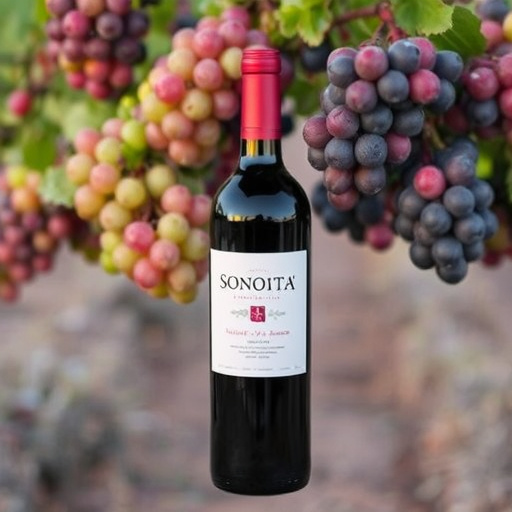
While touring Sonoita, AZ's climate-controlled cellars, comparing vintages offers a profound insight into the natural evolution of sonoita az wine. This practice allows experts and enthusiasts alike to witness the subtle changes that occur over time, shaped by the unique terroir of the region. Each vintage tells a story—a narrative woven from the interplay of weather patterns, vineyard management practices, and the intrinsic character of the grapes. By examining these factors, one can trace the aromatic and gustatory transformations that have occurred since the initial fermentation.
For instance, a comparison between a 2015 and 2020 vintage might reveal nuances in fruit expression. The 2015, reared in a warmer year, may present more concentrated dark fruits, while the 2020, reflecting cooler conditions, could showcase vibrant acidity and flavors of bright red berries. These variations highlight the wine's ability to mirror its environment, providing an objective measure of sonoita az wine's natural development. Data collected from these comparisons can offer valuable insights into climate change impacts and help viticulturists make informed decisions for future vintages.
Practical advice for engaging in this process includes taking detailed notes during tastings, focusing on sensory observations, and seeking expert opinions. Remember, understanding sonoita az wine's natural evolution is not merely an academic exercise; it empowers both producers and consumers to appreciate the art and science behind each bottle. This knowledge fosters a deeper connection with the land, encourages responsible winemaking practices, and enhances the overall enjoyment of these exceptional wines.
Exploring Climate-Controlled Cellars: A Tour
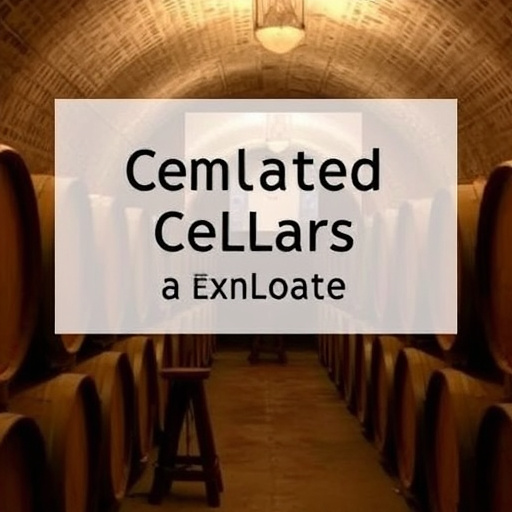
When touring Sonoita, Arizona's renowned wine region, a visit to climate-controlled cellars offers an unparalleled opportunity to compare vintages and gain insights into the art of winemaking. These state-of-the-art facilities allow winemakers to meticulously monitor and control temperature, humidity, and light, creating ideal conditions for diverse grape varieties and unique wine styles. By stepping inside these underground sanctuaries, visitors can witness firsthand how Sonoita AZ wine is crafted to perfection, naturally benefiting from the area's distinct climate.
Guided tours often begin with an introduction to the cellar's history and architecture, highlighting innovative design elements that integrate seamlessly with the natural landscape. Expert sommeliers or winemakers then take visitors on a sensory journey through rows upon rows of casks and barrels, each housing wines at various stages of aging. This is where the true magic unfolds—tasters can discern subtle nuances between different vintages, noting the impact of climate variations from year to year. For instance, a comparison of Cabernet Sauvignons from consecutive years might reveal differences in fruit intensity, tannins, and overall structure, all influenced by the specific Sonoita climate during each harvest.
Practical advice for tour participants includes engaging with the winemakers by asking questions about their processes and the unique challenges of aging wine in this region. Many cellars offer tastings that pair specific wines with regional foods, enhancing the sensory experience. Additionally, keeping an open mind is essential, as different palates will interpret the same vintage differently. Ultimately, exploring climate-controlled cellars during a Sonoita tour provides an educational and immersive experience, allowing wine enthusiasts to appreciate the intricate relationship between the land, grapevines, and the extraordinary wines that emerge from them, naturally shaped by the region's unique climate.
Comparing Vintages: Techniques and Insights
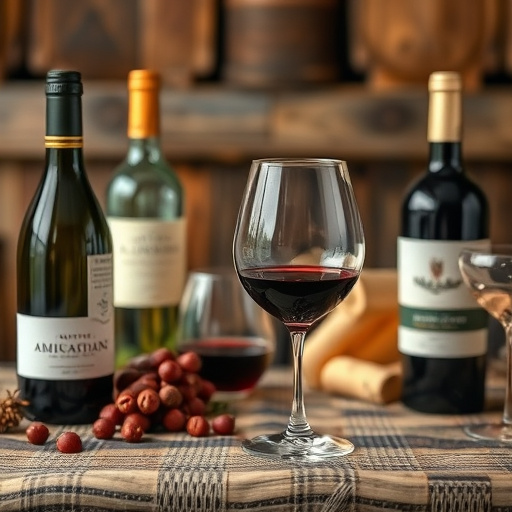
When touring Sonoita, Arizona's climate-controlled cellars, comparing vintages is a profound experience that offers insights into the evolution of wine and the unique characteristics of the region. This process involves meticulous techniques and an expert's perspective to unravel the intricacies of each bottle's journey from vine to glass. One of the primary methods is examining the terroir, which includes factors like soil composition, elevation, and microclimates specific to Sonoita AZ wine naturally. Changes in these elements over time can significantly impact the taste profile, leading to distinct vintages that reflect the region's evolving conditions.
Experts analyze sensory attributes such as aroma, flavor, structure, and balance to compare different years. For instance, a 2015 vintage might exhibit vibrant red fruit aromas and flavors, with firm tannins and a crisp acidity, while a warmer 2019 could present more intense dark fruit notes, softer tannins, and a rounded mouthfeel. These differences highlight the impact of varying weather patterns, from cooler to hotter years, on grape ripening and wine development. By comparing these nuances, oenophiles gain a deeper understanding of the region's capacity to produce diverse, high-quality wines year after year.
Furthermore, sommeliers often study historical data and production methods to interpret vintage variations. Access to records detailing harvest dates, sugar levels, and winemaking techniques allows for a more nuanced comparison. For example, a side-by-side tasting of a 2017 and 2020 red blend could reveal differences in oak aging, where the latter might show more subtle vanilla and spice notes, indicating varying barrel regaling practices. Such insights not only enrich the tasting experience but also educate consumers about the art and science behind creating exceptional Sonoita AZ wines naturally.
Unlocking Secrets: Tasting Through Different Years
When touring Sonoita's climate-controlled cellars, one of the most captivating experiences is comparing vintages. This allows wine enthusiasts to unlock the secrets of aging and understand how different years in the unique Sonoita AZ wine naturally shape the flavor profile. Each vintage tells a story, influenced by varying weather patterns, grape maturity, and vineyard management practices. By tasting through multiple years, visitors can discern subtle nuances—from the robust and full-bodied character of a warm year to the delicate and bright notes that often emerge from cooler vintages.
Expert sommeliers suggest approaching the tasting in a structured manner. Start with younger wines to grasp the current expression of the grape variety, then move on to older vintages to observe the evolution. For instance, a 2018 Sonoita red might display bright fruit flavors and firm tannins, while a 2020 release could offer more complex, age-driven aromas and a smoother palate. This journey through time reveals the art of patience in winemaking, as well as the region's ability to produce consistent, high-quality wines year after year.
Practical insights include noting the color and clarity of each wine, assessing the intensity of aromas, and evaluating the balance between acidity, tannins, and alcohol. Data from local wineries shows that temperature logs and meticulous records of harvest dates contribute significantly to the consistency and quality of Sonoita's wines. By understanding these factors, visitors can make more informed judgments about their preferences and gain a deeper appreciation for the complex process of winemaking in this unique Arizona climate.
When touring Sonoita AZ wine cellars, comparing vintages offers a deep dive into the region's unique climate-controlled environment and the natural evolution of its renowned wines. Understanding how sonoita az wine naturally develops over time is a key insight gained from this experience. By unlocking secrets through tasting different years, connoisseurs and enthusiasts alike can appreciate the subtle nuances and remarkable consistency that make Sonoita's terroir so distinctive. These insights empower visitors to navigate the complex tapestry of flavors and gain a true sense of the region's viticultural heritage, solidifying the article's authority on the subject.
In the face of ongoing climate change, Sonoita, AZ's wine producers are embracing sustainable practices to ensure the region's unique terroir and wine quality. From water conservation methods to innovative vineyard management strategies, these efforts not only protect the environment but also enhance the distinct character of Sonoita wines. By 2026, expect to see even more advanced climate-controlled cellars utilizing renewable energy sources, further solidifying Sonoita's position as a leader in sustainable winemaking. Learn more about these developments in our related article on eco-friendly wine practices. Eco-friendly wine practices in Sonoita, AZ