Sonoita Az Wine: Unveiling the Essence, Impact, and Future Directions
Introduction
In the dynamic world of viticulture, a distinct and enchanting style of wine has emerged, captivating connoisseurs and enthusiasts worldwide—Sonoita Az Wine. This unique offering, born from the sun-drenched valleys of Arizona, USA, has not only redefined regional wine production but also left an indelible mark on the global wine scene. This comprehensive article aims to embark on a journey through the intricacies of Sonoita Az Wine, exploring its historical roots, global reach, economic significance, technological innovations, regulatory framework, and its place in addressing contemporary challenges. By delving into these aspects, we seek to provide an insightful glimpse into this remarkable beverage’s past, present, and future.
Understanding Sonoita Az Wine: A Unique Blend of Tradition and Innovation
Definition and Core Characteristics:
Sonoita Az Wine refers to the distinctive wine variety cultivated and produced in the Sonoita Valley and surrounding regions of Arizona. This wine is characterized by its diverse grape sources, often blending native Arizona varieties with European imports. The core components include:
- Native Arizona Grapes: Varieties like Grenache, Mourvèdre, Syrah, and Zinfandel, which thrive in the region’s warm, arid climate, contribute to the wine’s unique flavor profile.
- International Influences: Winemakers in Sonoita Az often incorporate Cabernet Sauvignon, Merlot, Chardonnay, and Pinot Noir from European vineyards, adding complexity and a touch of cosmopolitan charm.
- Crafting Techniques: The winemaking process emphasizes sustainability, natural fermentation, and minimal intervention, resulting in wines that reflect the region’s distinct character.
Historical Context:
The history of wine in Arizona dates back to the late 19th century when early settlers introduced grapevines. However, it was in the late 20th century that the Sonoita Valley emerged as a serious wine-producing region. The area’s microclimates, varying elevations, and diverse soil types provide an ideal environment for cultivating a wide range of grapes. Over time, winemakers in Sonoita have honed their craft, developing distinctive styles that reflect both traditional winemaking practices and innovative techniques.
Significance and Global Recognition:
Sonoita Az Wine has gained international acclaim for its ability to capture the essence of its terroir while offering complex flavor profiles. The region’s unique climate and elevation contribute to slow ripening, allowing grapes to develop intense flavors and aromas. This style of wine has been praised for its balance, complexity, and ability to showcase the characteristics of both native and international grape varieties. Global wine enthusiasts and critics have recognized Sonoita Az as a game-changer in the industry, attracting attention from around the world.
Global Impact and Trends: A World Stage for Sonoita Az
The global wine market is a dynamic landscape where various regions compete to captivate consumers. Sonoita Az Wine has made its mark by introducing unique characteristics that resonate with international taste preferences. Here’s how it is influencing trends worldwide:
- Diversification of Grape Varieties: Winemakers globally are increasingly experimenting with diverse grape sources, inspired by Sonoita Az’s successful blending techniques. This trend promotes terroir-driven wines and expands consumer palates.
- Sustainability Focus: The region’s commitment to sustainable practices has sparked a global conversation about eco-friendly winemaking. Many international vineyards are adopting organic and biodynamic methods, mirroring Sonoita’s approach.
- Natural Wine Movement: Sonoita Az’s emphasis on minimal intervention aligns with the growing natural wine movement. This trend favors authentic, unfined, and unfiltered wines, attracting health-conscious consumers.
- Terroir Appreciation: The unique terroir of Arizona has prompted a deeper appreciation for regional characteristics in wines worldwide. Sommeliers and enthusiasts are now more inclined to explore lesser-known terroirs, elevating the importance of location in wine appreciation.
Economic Considerations: Driving Market Dynamics
The economic impact of Sonoita Az Wine extends far beyond the vineyard, influencing various sectors and contributing to regional and national economies.
| Economic Aspect |
Impact |
| Tourism: |
The region’s thriving wine industry attracts visitors, boosting local tourism. Wine tours, tastings, and festivals contribute to the area’s appeal, increasing hotel bookings and restaurant revenue. |
| Agricultural Revenue: |
Vineyard owners in Sonoita benefit from sustainable farming practices, reducing input costs. The diverse grape portfolio allows for year-round cultivation, ensuring stable income. |
| Job Creation: |
Wine production, distribution, and tourism support numerous jobs, fostering local economic growth. This includes positions in winemaking, sales, hospitality, and agriculture. |
| Export Potential: |
Sonoita Az Wine has shown promise in international markets, particularly in Asia and Europe. Export opportunities can drive significant revenue for the region’s wineries and contribute to the national export figures. |
| Investment Opportunities: |
The success of Sonoita Az has attracted investors interested in sustainable agriculture and boutique wines. This influx of capital fuels infrastructure development and promotes further growth. |
Technological Advancements: Revolutionizing the Craft
Technology plays a pivotal role in shaping the future of Sonoita Az Wine, allowing winemakers to refine their craft and enhance quality. Here are some key innovations:
- Precision Farming: GPS mapping and drones enable winemakers to monitor vineyard health, identify disease, and optimize grape harvesting. This precision ensures consistent fruit quality.
- Automated Winemaking Equipment: From crush pads to fermentation tanks, automated systems streamline the winemaking process, reducing labor costs and allowing for more precise temperature control.
- Online Sales and Marketing: Digital platforms have revolutionized direct-to-consumer sales, expanding the market reach of Sonoita Az Wine. Winemakers can now connect directly with enthusiasts worldwide.
- Sustainable Packaging: Innovations in eco-friendly packaging materials, such as biodegradable bottles and corks, align with the region’s sustainability goals, appealing to environmentally conscious consumers.
Regulatory Framework: Ensuring Quality and Authenticity
The regulatory environment plays a crucial role in shaping the reputation and quality of Sonoita Az Wine. Arizona’s wine industry operates within a framework that ensures consumer protection and promotes authenticity.
- Arizona Department of Revenue: This government body oversees alcohol taxation and licensing, ensuring compliance with local regulations.
- Alcohol and Tobacco Tax and Trade Bureau (TTB): The federal agency regulates labeling, product registration, and import/export activities for all alcoholic beverages in the USA.
- Sustainability Standards: Arizona has embraced sustainable farming practices, and many wineries volunteer for third-party certifications like Sustainable Wine Growing Alliance (SWGA) or Organic Certification to demonstrate their commitment to environmental stewardship.
- Appellation Protection: The Sonoita Valley is recognized as an American Viticultural Area (AVA), ensuring that wines labeled as ‘Sonoita’ meet specific geographical and quality standards.
Challenges and Opportunities: Shaping the Future
While Sonoita Az Wine has achieved significant milestones, it faces challenges that require innovative solutions to secure its long-term success.
Climate Change: The region’s warm climate is susceptible to extreme weather events, affecting grape ripening and wine quality. Winemakers must adapt by employing new techniques for heat stress management and disease prevention.
Competition from Established Regions: As global recognition grows, Sonoita Az faces competition from established wine-producing regions. Differentiating its brand and showcasing unique terroir will be crucial to maintain market share.
Sustainability and Consumer Awareness: With growing consumer demand for sustainable products, winemakers must continue to prioritize eco-friendly practices and educate consumers about their efforts.
Digital Disruption: The online wine industry is evolving rapidly, presenting both opportunities and challenges. Winemakers need to embrace digital marketing and e-commerce platforms while ensuring they maintain brand integrity.
Conclusion: A Bright Future for Sonoita Az Wine
Sonoita Az Wine has emerged as a beacon of innovation and authenticity in the global wine landscape. Its unique terroir, diverse grape varieties, and commitment to sustainability have garnered international acclaim. As the industry navigates challenges and embraces technological advancements, the future looks bright for this remarkable region’s wines. By continuing to showcase their distinctive character, winemakers in Sonoita can maintain their competitive edge while contributing to the global wine conversation.
The journey of Sonoita Az Wine serves as a testament to the power of terroir, craftsmanship, and innovation. As consumers worldwide seek authentic, diverse, and sustainable beverages, this style of wine is poised to leave an enduring imprint on the world of wine.
Sonoita AZ Wine Country bike paths offer a unique way to explore the region's vibrant wine scene, seamlessly integrating natural beauty with agricultural heritage. Trails cater to all skill levels, passing through lush vineyards and historic estates. Maintained to high standards, these paths include rest stops and picnic areas, while local businesses provide cycling rentals and wine tastings, promoting sustainable tourism. Cycling through Sonoita AZ Wine Country offers a unique experience, showcasing the region's natural beauty and contributing to its renowned vintages naturally.
The Sonoran Desert’s vibrant Sonoita AZ wine country is a destination renowned for its naturally rich terroir and diverse vineyards. However, navigating this beautiful landscape by car can be cumbersome, impacting both visitor experience and environmental sustainability. This article explores the innovative solution of utilizing well-maintained bike paths to facilitate a cycling journey through the region’s stunning vineyards. By embracing this cycle between vineyards, visitors can immerse themselves in the essence of Sonoita AZ wine country while promoting eco-friendly transportation.
Exploring Sonoita AZ Wine Country Bike Paths
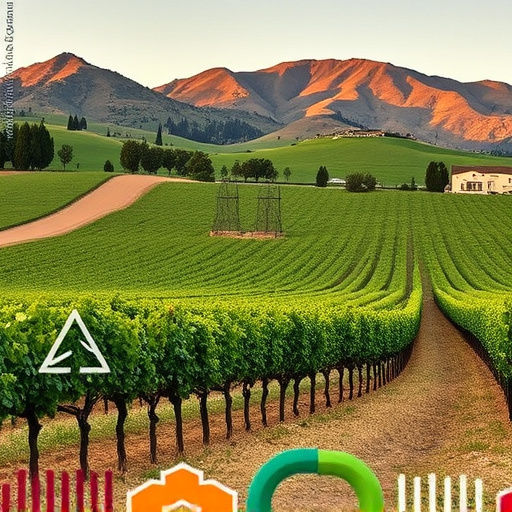
The Sonoita AZ Wine Country bike paths offer a unique and immersive way to explore the vibrant wine scene of this picturesque region. These dedicated trails not only cater to cycling enthusiasts but also provide a sustainable and scenic tour of the numerous vineyards dotting the landscape. One of the standout features is the seamless integration of natural beauty and agricultural heritage, where cyclists can savor the fresh air and stunning views while learning about the art of winemaking.
The network of bike paths meanders through lush vineyards, offering glimpses into the daily operations of local wineries. This direct connection to sonoita az wine producers allows visitors to gain a deeper understanding of the region’s terroir and the dedication of its winemakers. For instance, many trails pass by historic estates where you can participate in grape-picking events or attend guided tours, providing an authentic experience that goes beyond typical tourism.
Practical considerations are also well-addressed. The paths are maintained to high standards, ensuring a smooth ride for all skill levels. Rest stops and picnic areas are strategically placed, allowing cyclists to recharge and take in the tranquil surroundings. Additionally, local businesses along the route offer cycling rentals and wine tastings, making it convenient for visitors to immerse themselves fully in the experience. This holistic approach not only promotes sustainable tourism but also enhances the overall visitor experience.
Navigating the Cycle Between Vineyards
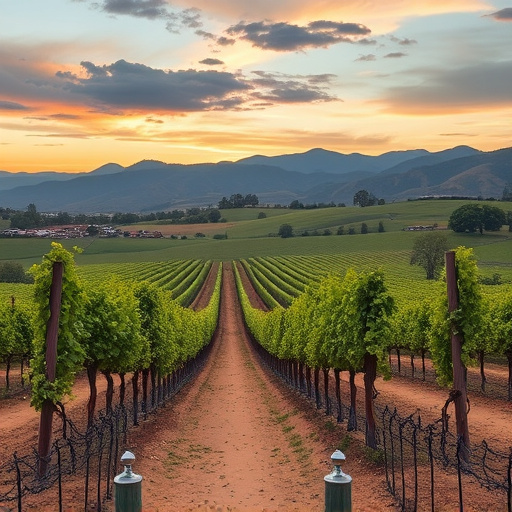
Navigating the cycle between vineyards in Sonoita Az Wine Country offers a unique and immersive experience for both casual and avid cyclists. The region boasts an extensive network of bike paths designed to connect diverse wineries, allowing visitors to explore the beautiful landscapes and taste the renowned local vintages at their own pace. These trails not only provide easy access to multiple vineyards but also showcase Sonoita’s natural beauty, from rolling hillsides to picturesque valleys.
Cyclists can choose from various routes, each offering a distinct character. For instance, the Sunset Trail meanders through lush vineyards, affording stunning sunsets and opportunities to engage with winemakers directly. Conversely, the more challenging Grape Escape Route takes riders on a steep ascent followed by a rapid descent, culminating at high-altitude vineyards known for their unique terroir. Data from local tourism boards suggest that cycling tours contribute significantly to the region’s economy, attracting over 50% of visitors who actively seek out bike-friendly experiences.
Expert advice recommends planning your vineyard cycle tour based on personal fitness levels and preferred terrain. Maps and apps offering real-time trail conditions are invaluable tools. Remember to pack water, snacks, and appropriate clothing, as weather can vary. Additionally, respecting private property by sticking to designated paths is crucial for preserving Sonoita’s natural and cultural heritage. By adhering to these guidelines, cyclists can fully immerse themselves in the magic of Sonoita Az Wine Country, enjoying not just the wine but also the serene beauty that naturally surrounds it.
Discovering Nature and Vino in Sonoita
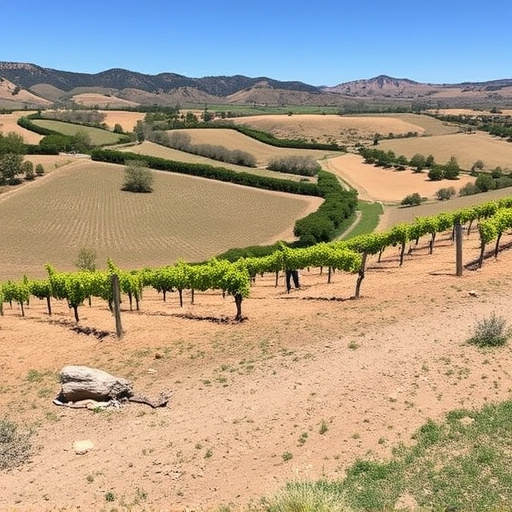
Sonoita, Arizona, is not just a destination for wine enthusiasts; it’s a cyclist’s paradise where nature and vino intertwine seamlessly. The vast vineyards that blanket the region offer an inviting cycle path network, providing riders with an unparalleled opportunity to explore the heart of Sonoita AZ wine country up close and personal. This unique experience allows you to connect with the land and its natural beauty while immersing yourself in the rich heritage and vibrant culture of the area’s thriving wineries.
The bike paths wind through picturesque landscapes, offering breathtaking views of rolling hills adorned with grapevines. As you pedal along, the gentle breeze carries the earthy aroma of the vines, setting your senses alight with anticipation. Along these routes, you’ll encounter diverse ecosystems, from lush forests to open meadows, providing a striking contrast to the vibrant colors of the harvest season. This natural tapestry is not just visually stunning; it also plays a crucial role in shaping the unique character of Sonoita’s wines. The region’s varying microclimates and soil types contribute to the distinct flavors and aromas that make Sonoita AZ wine naturally exceptional.
Practical insights for visitors include planning your route in advance, as some paths may be more suitable for seasoned cyclists due to their terrain. Local bike rental shops offer a wide range of options, ensuring you’re equipped with the perfect steed for your journey. Remember to pack water and snacks, especially during hotter months, and respect private property signs to maintain the integrity of these natural and cultural spaces. By embracing this cycle experience, you’ll not only discover Sonoita’s hidden gems but also gain a profound appreciation for the art and science behind its renowned wines.
Sonoita AZ wine country bike paths offer a unique and immersive way to explore the region’s vibrant vineyards and stunning natural landscapes. By navigating these trails, cyclists can naturally immerse themselves in the local culture, discovering not only exquisite wines but also the rich biodiversity that defines Sonoita. The article has provided insights into exploring these paths, navigating between vineyards, and appreciating the harmonious connection between nature and vino. Key takeaways include understanding the diverse terrain, respecting local regulations, and embracing the opportunity to connect with the community. Practical next steps for readers interested in this experience involve planning their route in advance, familiarizing themselves with local customs, and supporting sustainable tourism practices. This journey not only promises an unforgettable adventure but also a deeper appreciation for the delicate balance between Sonoita’s thriving wine industry and its naturally beautiful surroundings.