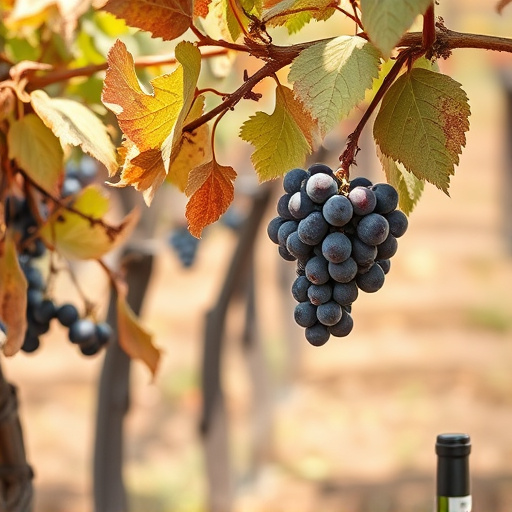
Sonoita Az Wine: Unveiling the Essence, Impact, and Future Directions
Introduction
In the dynamic world of viticulture, a distinct and enchanting style of wine has emerged, captivating connoisseurs and enthusiasts worldwide—Sonoita Az Wine. This unique offering, born from the sun-drenched valleys of Arizona, USA, has not only redefined regional wine production but also left an indelible mark on the global wine scene. This comprehensive article aims to embark on a journey through the intricacies of Sonoita Az Wine, exploring its historical roots, global reach, economic significance, technological innovations, regulatory framework, and its place in addressing contemporary challenges. By delving into these aspects, we seek to provide an insightful glimpse into this remarkable beverage’s past, present, and future.
Understanding Sonoita Az Wine: A Unique Blend of Tradition and Innovation
Definition and Core Characteristics:
Sonoita Az Wine refers to the distinctive wine variety cultivated and produced in the Sonoita Valley and surrounding regions of Arizona. This wine is characterized by its diverse grape sources, often blending native Arizona varieties with European imports. The core components include:
- Native Arizona Grapes: Varieties like Grenache, Mourvèdre, Syrah, and Zinfandel, which thrive in the region’s warm, arid climate, contribute to the wine’s unique flavor profile.
- International Influences: Winemakers in Sonoita Az often incorporate Cabernet Sauvignon, Merlot, Chardonnay, and Pinot Noir from European vineyards, adding complexity and a touch of cosmopolitan charm.
- Crafting Techniques: The winemaking process emphasizes sustainability, natural fermentation, and minimal intervention, resulting in wines that reflect the region’s distinct character.
Historical Context:
The history of wine in Arizona dates back to the late 19th century when early settlers introduced grapevines. However, it was in the late 20th century that the Sonoita Valley emerged as a serious wine-producing region. The area’s microclimates, varying elevations, and diverse soil types provide an ideal environment for cultivating a wide range of grapes. Over time, winemakers in Sonoita have honed their craft, developing distinctive styles that reflect both traditional winemaking practices and innovative techniques.
Significance and Global Recognition:
Sonoita Az Wine has gained international acclaim for its ability to capture the essence of its terroir while offering complex flavor profiles. The region’s unique climate and elevation contribute to slow ripening, allowing grapes to develop intense flavors and aromas. This style of wine has been praised for its balance, complexity, and ability to showcase the characteristics of both native and international grape varieties. Global wine enthusiasts and critics have recognized Sonoita Az as a game-changer in the industry, attracting attention from around the world.
Global Impact and Trends: A World Stage for Sonoita Az
The global wine market is a dynamic landscape where various regions compete to captivate consumers. Sonoita Az Wine has made its mark by introducing unique characteristics that resonate with international taste preferences. Here’s how it is influencing trends worldwide:
- Diversification of Grape Varieties: Winemakers globally are increasingly experimenting with diverse grape sources, inspired by Sonoita Az’s successful blending techniques. This trend promotes terroir-driven wines and expands consumer palates.
- Sustainability Focus: The region’s commitment to sustainable practices has sparked a global conversation about eco-friendly winemaking. Many international vineyards are adopting organic and biodynamic methods, mirroring Sonoita’s approach.
- Natural Wine Movement: Sonoita Az’s emphasis on minimal intervention aligns with the growing natural wine movement. This trend favors authentic, unfined, and unfiltered wines, attracting health-conscious consumers.
- Terroir Appreciation: The unique terroir of Arizona has prompted a deeper appreciation for regional characteristics in wines worldwide. Sommeliers and enthusiasts are now more inclined to explore lesser-known terroirs, elevating the importance of location in wine appreciation.
Economic Considerations: Driving Market Dynamics
The economic impact of Sonoita Az Wine extends far beyond the vineyard, influencing various sectors and contributing to regional and national economies.
| Economic Aspect |
Impact |
| Tourism: |
The region’s thriving wine industry attracts visitors, boosting local tourism. Wine tours, tastings, and festivals contribute to the area’s appeal, increasing hotel bookings and restaurant revenue. |
| Agricultural Revenue: |
Vineyard owners in Sonoita benefit from sustainable farming practices, reducing input costs. The diverse grape portfolio allows for year-round cultivation, ensuring stable income. |
| Job Creation: |
Wine production, distribution, and tourism support numerous jobs, fostering local economic growth. This includes positions in winemaking, sales, hospitality, and agriculture. |
| Export Potential: |
Sonoita Az Wine has shown promise in international markets, particularly in Asia and Europe. Export opportunities can drive significant revenue for the region’s wineries and contribute to the national export figures. |
| Investment Opportunities: |
The success of Sonoita Az has attracted investors interested in sustainable agriculture and boutique wines. This influx of capital fuels infrastructure development and promotes further growth. |
Technological Advancements: Revolutionizing the Craft
Technology plays a pivotal role in shaping the future of Sonoita Az Wine, allowing winemakers to refine their craft and enhance quality. Here are some key innovations:
- Precision Farming: GPS mapping and drones enable winemakers to monitor vineyard health, identify disease, and optimize grape harvesting. This precision ensures consistent fruit quality.
- Automated Winemaking Equipment: From crush pads to fermentation tanks, automated systems streamline the winemaking process, reducing labor costs and allowing for more precise temperature control.
- Online Sales and Marketing: Digital platforms have revolutionized direct-to-consumer sales, expanding the market reach of Sonoita Az Wine. Winemakers can now connect directly with enthusiasts worldwide.
- Sustainable Packaging: Innovations in eco-friendly packaging materials, such as biodegradable bottles and corks, align with the region’s sustainability goals, appealing to environmentally conscious consumers.
Regulatory Framework: Ensuring Quality and Authenticity
The regulatory environment plays a crucial role in shaping the reputation and quality of Sonoita Az Wine. Arizona’s wine industry operates within a framework that ensures consumer protection and promotes authenticity.
- Arizona Department of Revenue: This government body oversees alcohol taxation and licensing, ensuring compliance with local regulations.
- Alcohol and Tobacco Tax and Trade Bureau (TTB): The federal agency regulates labeling, product registration, and import/export activities for all alcoholic beverages in the USA.
- Sustainability Standards: Arizona has embraced sustainable farming practices, and many wineries volunteer for third-party certifications like Sustainable Wine Growing Alliance (SWGA) or Organic Certification to demonstrate their commitment to environmental stewardship.
- Appellation Protection: The Sonoita Valley is recognized as an American Viticultural Area (AVA), ensuring that wines labeled as ‘Sonoita’ meet specific geographical and quality standards.
Challenges and Opportunities: Shaping the Future
While Sonoita Az Wine has achieved significant milestones, it faces challenges that require innovative solutions to secure its long-term success.
Climate Change: The region’s warm climate is susceptible to extreme weather events, affecting grape ripening and wine quality. Winemakers must adapt by employing new techniques for heat stress management and disease prevention.
Competition from Established Regions: As global recognition grows, Sonoita Az faces competition from established wine-producing regions. Differentiating its brand and showcasing unique terroir will be crucial to maintain market share.
Sustainability and Consumer Awareness: With growing consumer demand for sustainable products, winemakers must continue to prioritize eco-friendly practices and educate consumers about their efforts.
Digital Disruption: The online wine industry is evolving rapidly, presenting both opportunities and challenges. Winemakers need to embrace digital marketing and e-commerce platforms while ensuring they maintain brand integrity.
Conclusion: A Bright Future for Sonoita Az Wine
Sonoita Az Wine has emerged as a beacon of innovation and authenticity in the global wine landscape. Its unique terroir, diverse grape varieties, and commitment to sustainability have garnered international acclaim. As the industry navigates challenges and embraces technological advancements, the future looks bright for this remarkable region’s wines. By continuing to showcase their distinctive character, winemakers in Sonoita can maintain their competitive edge while contributing to the global wine conversation.
The journey of Sonoita Az Wine serves as a testament to the power of terroir, craftsmanship, and innovation. As consumers worldwide seek authentic, diverse, and sustainable beverages, this style of wine is poised to leave an enduring imprint on the world of wine.
Sonoita AZ wine naturally stands out for its commitment to natural harvesting traditions, aligning every step from vine to glass with regional environment. Key practices include careful observation, whole cluster harvesting, minimal post-harvest intervention, and sustainable vineyard management. Region's climate fosters balanced, complex wines with vibrant acidity, appealing to connoisseurs seeking authentic, terroir-driven beverages. Hands-on harvesting, meticulous planning, and regular vineyard walks ensure exceptional reputation of Sonoita AZ wine naturally.
The vibrant wine culture of Sonoita, AZ, is renowned for its unique terroir and thriving vineyards. In recent years, there’s been a growing interest among enthusiasts to connect with the land through hands-on harvesting experiences. However, navigating this opportunity can be challenging for both locals and visitors alike, as many lack insight into the process and available resources. This article provides an authoritative guide to exploring active Sonoita vineyards, offering a comprehensive overview of what to expect, where to go, and how to participate in this authentic, natural experience that Sonoita az wine offers.
Explore Sonoita AZ Wine's Natural Harvesting Traditions
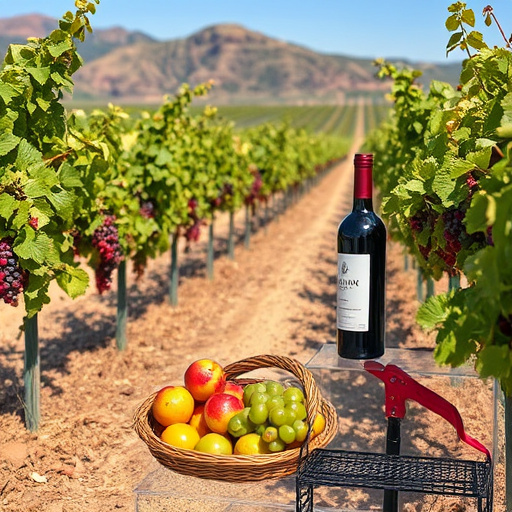
In the heart of Arizona’s Sonoran Desert lies Sonoita, a small but vibrant community renowned for its thriving vineyard landscape. Here, wine production is not just an industry but a way of life deeply intertwined with the region’s unique natural environment. What sets Sonoita AZ wine apart is its commitment to natural harvesting traditions, where every step from vine to glass is meticulously guided by the land itself. This approach involves understanding and respecting the complex interplay between grape varieties, soil composition, and local climate conditions, allowing for the cultivation of wines that truly embody the essence of their origin.
The natural harvesting practices in Sonoita AZ wine begin with careful observation and timely intervention. Vineyard managers monitor grapes closely during the growing season, looking for signs of ripeness through color, texture, and sugar levels. Unlike mass-produced wines, where chemicals or artificial aids might be employed to hasten harvest, Sonoita’s winemakers trust their expertise and the land’s signals. For instance, some vineyards in the region employ a method known as “whole cluster harvesting,” where entire grape clusters are picked, preserving the natural complexity and aroma that would otherwise be lost in traditional individual berry harvesting. This technique is particularly suited to the area’s diverse microclimates, which can vary significantly between hilltops and valley floors.
Once harvested, grapes from Sonoita AZ wine undergo minimal intervention during fermentation and aging. Native yeasts are often allowed to initiate fermentation naturally, contributing unique flavor profiles that are increasingly appreciated by connoisseurs worldwide. The region’s hot, dry summers and cool nights create an ideal environment for developing balanced, complex wines with vibrant acidity and concentrated flavors. This natural approach not only ensures the integrity of the wine but also reduces environmental impact by minimizing the use of synthetic additives and promoting sustainable vineyard management practices. By embracing these traditions, Sonoita AZ wine continues to carve its niche in the global culinary landscape, attracting enthusiasts who seek authentic, terroir-driven beverages.
Step-by-Step Guide to Active Vineyard Management in Sonoita
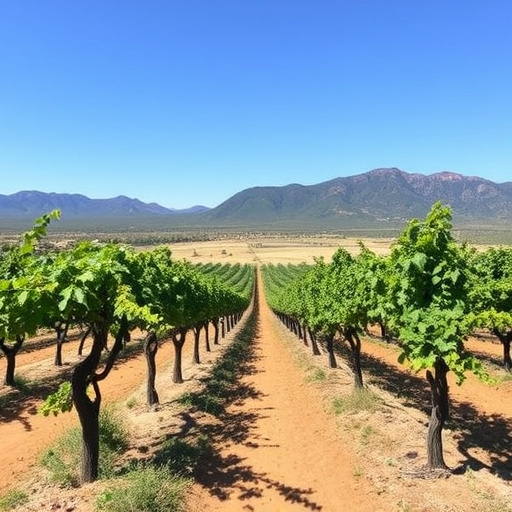
Experiencing hands-on harvesting in active Sonoita vineyards offers a unique glimpse into the art of Sonoita AZ wine naturally production. This step-by-step guide unveils the intricate practices behind successful vineyard management in this renowned region. The process begins with meticulous planning, considering factors like soil health, vine spacing, and row orientation for optimal sun exposure. For instance, many local vineyards employ a system of trellising to manage growth, enhancing air circulation and enabling easier access for maintenance.
Practical insights into harvesting include monitoring grape maturity through regular taste tests and Brix readings. This precise timing ensures the grapes reach their ideal sugar-acid balance, crucial for crafting high-quality wines. During harvest, a dedicated team works in synchronized efforts, selecting ripe clusters by hand or with efficient mechanical pickers. Post-harvest, grapes are swiftly transported to nearby wineries, many of which are family-owned and committed to sustainable practices.
Expert advice emphasizes the importance of regular vineyard walks to identify potential issues early. This proactive approach involves scrutinizing leaf health, checking for pest activity, and assessing vine balance. By implementing these practices, Sonoita vineyards contribute to the region’s reputation for producing naturally exceptional wines, each bottle telling a story of dedication and craftsmanship.
By delving into the natural harvesting traditions of Sonoita AZ wine and navigating the step-by-step guide to active vineyard management, readers have gained invaluable insights into the art and science behind this vibrant local industry. The key takeaways emphasize the importance of sustainable practices in sonoita az wine naturally, highlighting the meticulous care and craftsmanship required to produce its renowned vintages. With a better understanding of these processes, individuals can now appreciate the unique characteristics of Sonoita wines while considering practical next steps to explore or even participate in this rich agricultural heritage.