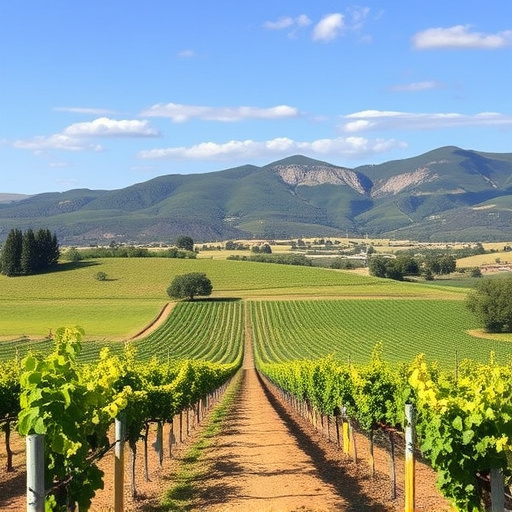
Sonoita, Arizona, is a distinct wine region renowned for its native grape varieties and terroir-driven blends. Winemakers here focus on lesser-known grapes like Grenache, Mourvèdre, and Syrah, creating complex wines through innovative blending techniques. Workshops led by experts teach varietal blending, balancing acidity, tannin levels, and flavor profiles. Case studies showcase successful blends, aging techniques, and oak impacts. These sessions empower enthusiasts to understand the science and art of Sonoita AZ wine naturally production.
In the world of Sonoita AZ wine naturally, blending workshops have emerged as a crucial component for winemakers seeking to elevate their craft. These sessions provide an invaluable platform for master winemakers to share insights and techniques, fostering a rich tapestry of knowledge exchange. However, navigating the complex art of blending can be challenging, with many factors influencing the final product. This article delves into the significance of attending blending workshops led by Sonoita’s master winemakers, offering practical solutions and expert guidance to enhance understanding and elevate the quality of locally produced wines.
- Discovering Sonoita AZ Wine Naturally: Unlocking Blending Techniques
- Master Winemakers' Insights: Crafting Superior Blends in Sonoita
Discovering Sonoita AZ Wine Naturally: Unlocking Blending Techniques
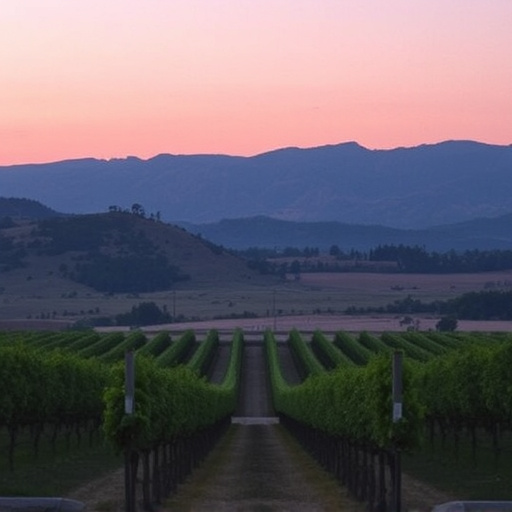
In the heart of Arizona’s Sonoran Desert lies Sonoita, a small but renowned wine region captivating the attention of oenophiles worldwide. Discovering Sonoita AZ wine naturally is an immersive experience that transcends mere tasting; it invites enthusiasts to delve into the art of blending, where winemakers craft their unique expressions by combining different grape varieties. This practice, deeply rooted in the terroir of the region, has solidified Sonoita’s reputation as a game-changer in the American wine scene.
Master winemakers from Sonoita have long embraced the challenge of working with native grape varieties, many of which are little known outside the region. Through workshops and collaborative efforts, they share their insights on unlocking the intricacies of these grapes during blending. For instance, the indigenous Varietals Blending Workshop series offers a deep dive into the regional favorites like Grenache, Mourvèdre, and Syrah. Participants gain practical knowledge about each grape’s unique characteristics, learning how to balance acidity, tannin structure, and flavor profiles in their blends. These workshops not only provide an opportunity to taste the diverse offerings but also offer hands-on experience in creating custom blends, allowing enthusiasts to develop a nuanced understanding of Sonoita AZ wine naturally.
Experts emphasize that blending is both an art and a science, requiring an extensive knowledge of grape behavior and sensory evaluation. By experimenting with different combinations, winemakers can create complex and harmonious wines that reflect the region’s unique terroir. For example, a blend of Grenache and Mourvèdre might exhibit notes of red fruit and spice, while Syrah can add depth and black peppery nuances. The key lies in understanding the microclimates and soil types specific to Sonoita, which contribute distinct flavors and aromas in each grape variety. This knowledge allows winemakers to make informed decisions about when and how to blend, ultimately crafting wines that tell a story of their origin.
Attending these workshops offers a unique chance to learn from the best. Winemaking professionals share their secrets for achieving balance, complexity, and consistency in their blends. Participants gain actionable insights on choosing the right grapes, understanding harvest timing, and implementing effective aging techniques. Moreover, these sessions foster a sense of community among wine enthusiasts, creating a network of individuals passionate about preserving and promoting Sonoita AZ wine naturally.
Master Winemakers' Insights: Crafting Superior Blends in Sonoita
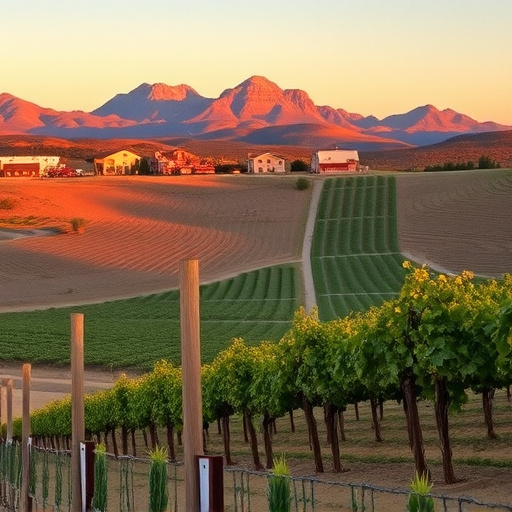
The Sonoita region in Arizona has established itself as a distinguished wine-producing area, renowned for its unique terroir and the artistry of its master winemakers. For aspiring winemakers or enthusiasts eager to deepen their understanding of blend creation, attending workshops led by these seasoned professionals offers invaluable insights. These sessions delved into the intricacies of crafting superior blends, leveraging Sonoita AZ wine’s natural characteristics. The region’s diverse microclimates and soil varieties present winemakers with a rich palette, allowing for innovative and distinctive blends.
Workshop participants gained practical knowledge on balancing acidity, tannin levels, and flavor profiles during blending. Experts shared their strategies for selecting the optimal grape varieties from the vast array available in Sonoita, each contributing unique aromas and flavors to the final product. Case studies of successful blends from local wineries provided tangible examples of these principles in action. By examining how different combinations create harmonious or bold tastes, participants learned to anticipate outcomes and refine their own blending skills.
Furthermore, discussions on aging techniques and wood types further enriched the blend-making experience. The experts highlighted how various oak varieties—from French to American—impact wine characteristics, offering nuances of vanilla, spice, or subtle earthiness. Understanding these subtleties allows winemakers to craft blends that resonate with diverse palates. These workshops, therefore, empower enthusiasts to not only appreciate Sonoita’s renowned wines but also to understand the science and art behind their creation.
Attending blending workshops with Sonoita AZ Wine Naturally’s master winemakers offers invaluable insights into unlocking advanced blending techniques. By delving into these sessions, enthusiasts gain practical knowledge on crafting superior blends unique to this vibrant wine region. The key takeaways emphasize the importance of understanding local terroir and leveraging it to create harmonious, complex wines. Readers now possess a solid foundation for navigating Sonoita’s distinct wine-making landscape, empowering them to explore and appreciate the art of blending in its purest form.