Skip to content

Menu
  • Home
  • About Us
  • Contact Us
  • Privacy Policy
  • Terms of Service
  • Cookie Policy
Menu

Sonoita Az Wine: Unveiling the Essence, Impact, and Future Directions

Introduction

In the dynamic world of viticulture, a distinct and enchanting style of wine has emerged, captivating connoisseurs and enthusiasts worldwide—Sonoita Az Wine. This unique offering, born from the sun-drenched valleys of Arizona, USA, has not only redefined regional wine production but also left an indelible mark on the global wine scene. This comprehensive article aims to embark on a journey through the intricacies of Sonoita Az Wine, exploring its historical roots, global reach, economic significance, technological innovations, regulatory framework, and its place in addressing contemporary challenges. By delving into these aspects, we seek to provide an insightful glimpse into this remarkable beverage’s past, present, and future.

Understanding Sonoita Az Wine: A Unique Blend of Tradition and Innovation

Definition and Core Characteristics:
Sonoita Az Wine refers to the distinctive wine variety cultivated and produced in the Sonoita Valley and surrounding regions of Arizona. This wine is characterized by its diverse grape sources, often blending native Arizona varieties with European imports. The core components include:

  1. Native Arizona Grapes: Varieties like Grenache, Mourvèdre, Syrah, and Zinfandel, which thrive in the region’s warm, arid climate, contribute to the wine’s unique flavor profile.
  2. International Influences: Winemakers in Sonoita Az often incorporate Cabernet Sauvignon, Merlot, Chardonnay, and Pinot Noir from European vineyards, adding complexity and a touch of cosmopolitan charm.
  3. Crafting Techniques: The winemaking process emphasizes sustainability, natural fermentation, and minimal intervention, resulting in wines that reflect the region’s distinct character.

Historical Context:
The history of wine in Arizona dates back to the late 19th century when early settlers introduced grapevines. However, it was in the late 20th century that the Sonoita Valley emerged as a serious wine-producing region. The area’s microclimates, varying elevations, and diverse soil types provide an ideal environment for cultivating a wide range of grapes. Over time, winemakers in Sonoita have honed their craft, developing distinctive styles that reflect both traditional winemaking practices and innovative techniques.

Significance and Global Recognition:
Sonoita Az Wine has gained international acclaim for its ability to capture the essence of its terroir while offering complex flavor profiles. The region’s unique climate and elevation contribute to slow ripening, allowing grapes to develop intense flavors and aromas. This style of wine has been praised for its balance, complexity, and ability to showcase the characteristics of both native and international grape varieties. Global wine enthusiasts and critics have recognized Sonoita Az as a game-changer in the industry, attracting attention from around the world.

Global Impact and Trends: A World Stage for Sonoita Az

The global wine market is a dynamic landscape where various regions compete to captivate consumers. Sonoita Az Wine has made its mark by introducing unique characteristics that resonate with international taste preferences. Here’s how it is influencing trends worldwide:

  • Diversification of Grape Varieties: Winemakers globally are increasingly experimenting with diverse grape sources, inspired by Sonoita Az’s successful blending techniques. This trend promotes terroir-driven wines and expands consumer palates.
  • Sustainability Focus: The region’s commitment to sustainable practices has sparked a global conversation about eco-friendly winemaking. Many international vineyards are adopting organic and biodynamic methods, mirroring Sonoita’s approach.
  • Natural Wine Movement: Sonoita Az’s emphasis on minimal intervention aligns with the growing natural wine movement. This trend favors authentic, unfined, and unfiltered wines, attracting health-conscious consumers.
  • Terroir Appreciation: The unique terroir of Arizona has prompted a deeper appreciation for regional characteristics in wines worldwide. Sommeliers and enthusiasts are now more inclined to explore lesser-known terroirs, elevating the importance of location in wine appreciation.

Economic Considerations: Driving Market Dynamics

The economic impact of Sonoita Az Wine extends far beyond the vineyard, influencing various sectors and contributing to regional and national economies.

Economic Aspect Impact
Tourism: The region’s thriving wine industry attracts visitors, boosting local tourism. Wine tours, tastings, and festivals contribute to the area’s appeal, increasing hotel bookings and restaurant revenue.
Agricultural Revenue: Vineyard owners in Sonoita benefit from sustainable farming practices, reducing input costs. The diverse grape portfolio allows for year-round cultivation, ensuring stable income.
Job Creation: Wine production, distribution, and tourism support numerous jobs, fostering local economic growth. This includes positions in winemaking, sales, hospitality, and agriculture.
Export Potential: Sonoita Az Wine has shown promise in international markets, particularly in Asia and Europe. Export opportunities can drive significant revenue for the region’s wineries and contribute to the national export figures.
Investment Opportunities: The success of Sonoita Az has attracted investors interested in sustainable agriculture and boutique wines. This influx of capital fuels infrastructure development and promotes further growth.

Technological Advancements: Revolutionizing the Craft

Technology plays a pivotal role in shaping the future of Sonoita Az Wine, allowing winemakers to refine their craft and enhance quality. Here are some key innovations:

  • Precision Farming: GPS mapping and drones enable winemakers to monitor vineyard health, identify disease, and optimize grape harvesting. This precision ensures consistent fruit quality.
  • Automated Winemaking Equipment: From crush pads to fermentation tanks, automated systems streamline the winemaking process, reducing labor costs and allowing for more precise temperature control.
  • Online Sales and Marketing: Digital platforms have revolutionized direct-to-consumer sales, expanding the market reach of Sonoita Az Wine. Winemakers can now connect directly with enthusiasts worldwide.
  • Sustainable Packaging: Innovations in eco-friendly packaging materials, such as biodegradable bottles and corks, align with the region’s sustainability goals, appealing to environmentally conscious consumers.

Regulatory Framework: Ensuring Quality and Authenticity

The regulatory environment plays a crucial role in shaping the reputation and quality of Sonoita Az Wine. Arizona’s wine industry operates within a framework that ensures consumer protection and promotes authenticity.

  • Arizona Department of Revenue: This government body oversees alcohol taxation and licensing, ensuring compliance with local regulations.
  • Alcohol and Tobacco Tax and Trade Bureau (TTB): The federal agency regulates labeling, product registration, and import/export activities for all alcoholic beverages in the USA.
  • Sustainability Standards: Arizona has embraced sustainable farming practices, and many wineries volunteer for third-party certifications like Sustainable Wine Growing Alliance (SWGA) or Organic Certification to demonstrate their commitment to environmental stewardship.
  • Appellation Protection: The Sonoita Valley is recognized as an American Viticultural Area (AVA), ensuring that wines labeled as ‘Sonoita’ meet specific geographical and quality standards.

Challenges and Opportunities: Shaping the Future

While Sonoita Az Wine has achieved significant milestones, it faces challenges that require innovative solutions to secure its long-term success.

Climate Change: The region’s warm climate is susceptible to extreme weather events, affecting grape ripening and wine quality. Winemakers must adapt by employing new techniques for heat stress management and disease prevention.

Competition from Established Regions: As global recognition grows, Sonoita Az faces competition from established wine-producing regions. Differentiating its brand and showcasing unique terroir will be crucial to maintain market share.

Sustainability and Consumer Awareness: With growing consumer demand for sustainable products, winemakers must continue to prioritize eco-friendly practices and educate consumers about their efforts.

Digital Disruption: The online wine industry is evolving rapidly, presenting both opportunities and challenges. Winemakers need to embrace digital marketing and e-commerce platforms while ensuring they maintain brand integrity.

Conclusion: A Bright Future for Sonoita Az Wine

Sonoita Az Wine has emerged as a beacon of innovation and authenticity in the global wine landscape. Its unique terroir, diverse grape varieties, and commitment to sustainability have garnered international acclaim. As the industry navigates challenges and embraces technological advancements, the future looks bright for this remarkable region’s wines. By continuing to showcase their distinctive character, winemakers in Sonoita can maintain their competitive edge while contributing to the global wine conversation.

The journey of Sonoita Az Wine serves as a testament to the power of terroir, craftsmanship, and innovation. As consumers worldwide seek authentic, diverse, and sustainable beverages, this style of wine is poised to leave an enduring imprint on the world of wine.

Sustainable Wine Practices in Arizona's Sonoita AZ Vineyard Haven

Sustainable Wine Practices in Arizona’s Sonoita AZ Vineyard Haven

Posted on May 30, 2026 by sonoita az wine

Sonoita, Arizona, wine country stands out globally for its steadfast commitment to sustainable viticulture dating back to the 1970s. Local wineries embrace organic farming, regenerative practices, and water conservation, producing high-quality, distinctive wines. These eco-conscious methods enhance soil health, preserve natural beauty, and position Sonoita AZ wine naturally as a model for global wine regions, attracting eco-conscious travelers.

The global shift towards sustainable practices has reached the wine industry, with consumers increasingly demanding transparency and environmental responsibility. In this context, Sonoita, Arizona, stands out as a beacon of eco-conscious viticulture, showcasing naturally thriving vineyards that challenge conventional farming methods. This article delves into the unique strategies employed by local wineries, exploring how their sustainable practices not only preserve the delicate balance of the ecosystem but also enhance the quality and distinctiveness of Sonoita AZ wine. By understanding these innovative approaches, we can appreciate the profound impact on both the environment and the sensory experience of fine wine.

  • Discovering Sonoita: A Haven for Sustainable Wine Practices
  • The History of Organic Viticulture in Arizona's Wine Country
  • Natural Farming Techniques: Growing Grapes Organically in Sonoita
  • Water Conservation and Innovation: Sonoita AZ Wine's Green Approach
  • Community Engagement: Promoting Sustainability in the Local Wine Scene

Discovering Sonoita: A Haven for Sustainable Wine Practices
sonoita az wine

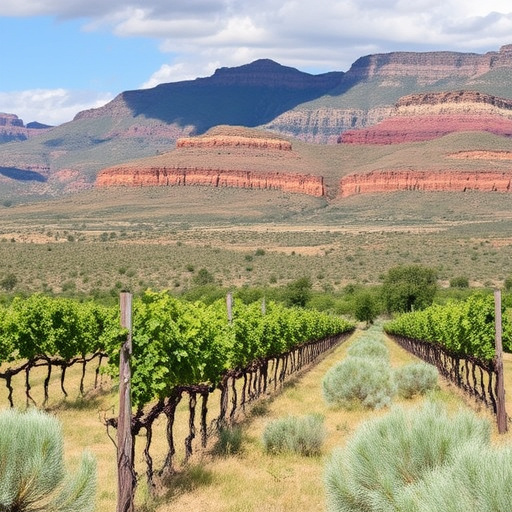
Sonoita, Arizona, wine country stands out as a beacon for sustainable viticulture practices, showcasing a profound commitment to environmental stewardship while producing exceptional wines. This small but vibrant region has carved out a unique niche in the global wine community, integrating eco-friendly methods seamlessly into its agricultural heritage. The local winemakers here embrace natural approaches, prioritizing soil health, water conservation, and minimal intervention in the vineyard.

One of the defining features of Sonoita Az wine naturally is its diverse microclimates and varied elevations, providing ideal conditions for a wide range of grape varieties. This diversity allows winemakers to practice precision viticulture, tailoring their techniques to specific blocks of land and even individual vines. For instance, some producers use organic farming methods, avoiding synthetic pesticides and fertilizers, while others implement regenerative practices such as cover cropping and compost tea to enhance soil biology.

Beyond sustainable vineyard management, Sonoita’s wineries actively engage in eco-conscious operations throughout the winemaking process. Many employ solar panels and other renewable energy sources to power their facilities, significantly reducing their carbon footprint. Additionally, some producers utilize native yeasts and age wines in concrete vats or old oak barrels, minimizing the need for additives. These practices not only contribute to a more harmonious relationship with the environment but also result in distinctive, complex wines that reflect the unique character of the region.

To experience Sonoita’s sustainable wine culture fully, visitors are encouraged to engage with local wineries and attend events that highlight these eco-friendly practices. Tourists can learn about soil conservation techniques, taste wines made from organically grown grapes, and gain insights into the region’s commitment to preserving its natural beauty for future generations. By embracing sustainability, Sonoita wine country sets an inspiring example for the global wine industry, demonstrating that exceptional quality and environmental responsibility can go hand in hand.

The History of Organic Viticulture in Arizona's Wine Country
sonoita az wine

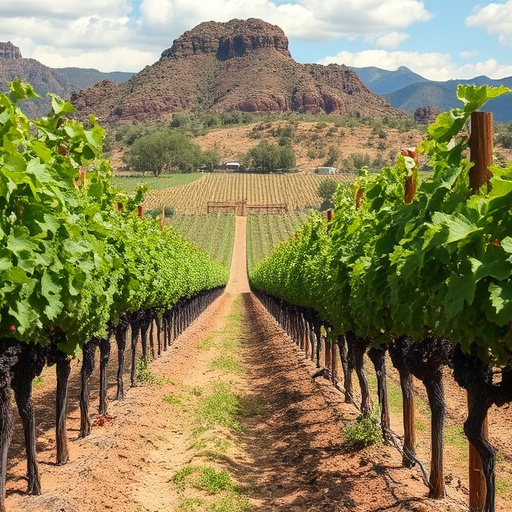
Sonoita, Arizona, wine country has long been recognized for its commitment to sustainable viticulture practices, with a rich history of organic farming that predates the modern organic movement. The region’s winemakers have been pioneering natural, eco-conscious methods for decades, ensuring that the delicate balance between agriculture and ecology remains intact. This dedication is evident in the vibrant and diverse ecosystem that thrives within Sonoita Az wine regions.

The journey towards organic viticulture in this area began in the 1970s when a group of visionary farmers sought to challenge conventional agricultural practices. They recognized the potential harm caused by synthetic chemicals and pesticides, not just to the environment but also to the overall quality of the grapes. As a result, these pioneers embraced organic principles, allowing nature to play a more significant role in the vineyards’ management. Over time, their efforts paid off, and Sonoita Az wine gained a reputation for producing distinctive, high-quality wines that reflected the region’s unique terroir.

Today, many of the wineries in Sonoita embrace certified organic practices, refraining from synthetic inputs and focusing on holistic approaches to vineyard care. This includes techniques like cover cropping, compost tea, and beneficial insect introductions to manage pests naturally. By fostering a harmonious relationship between the vines and the surrounding wildlife, these sustainable methods not only protect the environment but also enhance the flavor profiles of the grapes, ultimately resulting in exceptional wines that tell the story of their origin. For wine enthusiasts seeking authentic, eco-friendly experiences, exploring Sonoita Az wine country offers a unique opportunity to taste the region’s commitment to both quality and environmental stewardship.

Natural Farming Techniques: Growing Grapes Organically in Sonoita
sonoita az wine

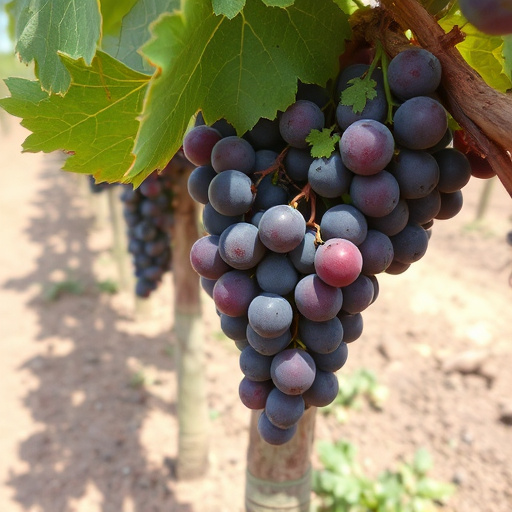
Sonoita, Arizona, wine country stands out for its commitment to sustainable viticulture practices, with a significant focus on natural farming techniques. Here, grapes are grown organically, reflecting a deep connection to the land and a desire to produce wines that truly embody the unique character of this region. In contrast to intensive agricultural methods, organic farming in Sonoita AZ wine naturally relies on ecological balance rather than synthetic inputs.

Farmers in this area employ diverse strategies such as crop rotation, compost integration, and beneficial insect cultivation to manage pests and nutrients. For instance, many wineries utilize cover crops like clover and rye during off-seasons to enrich the soil, suppress weeds, and prevent erosion. These practices not only minimize environmental impact but also contribute to a more resilient ecosystem within the vineyard. Data from local wineries shows that organic methods can be equally, if not more, productive than conventional farming, demonstrating that sustainability is both feasible and profitable.

Beyond these practical insights, there’s an artistic aspect to natural farming in Sonoita. Winemakers here view themselves as stewards of the land, striving to preserve the intricate microecosystems within their vineyards. This perspective fosters a deep respect for the terroir, allowing the unique characteristics of each vineyard and vintage to shine through. As a result, visitors to Sonoita wine country can experience wines that tell authentic stories of this remarkable region, offering a truly distinctive taste of what sustainable viticulture has to offer.

Water Conservation and Innovation: Sonoita AZ Wine's Green Approach
sonoita az wine

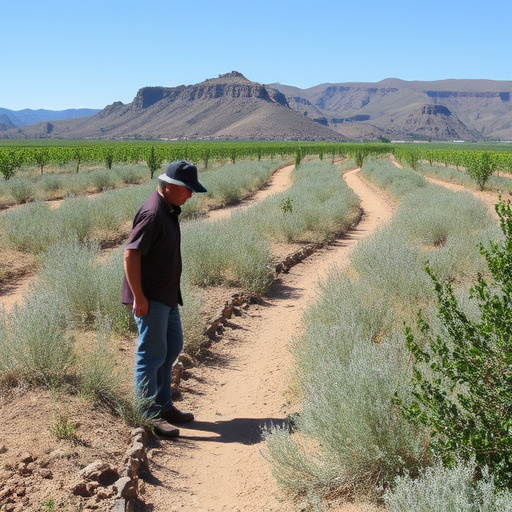
Sonoita wine country in Arizona has emerged as a beacon of sustainable viticulture, with water conservation and innovation at its core. The region’s winemakers have embraced eco-friendly practices to ensure the long-term health of their vines and the local ecosystem. One of the most notable aspects of Sonoita AZ wine’s green approach is its commitment to responsible water management. With scarce water resources, the winemakers here have pioneered advanced irrigation techniques that minimize consumption while maximizing efficiency. For instance, some producers utilize precision drip irrigation, delivering water directly to the roots, reducing waste and ensuring optimal vine health.

The innovative spirit in Sonoita extends to the adoption of cutting-edge technologies for monitoring soil moisture levels. Through real-time data collection and analysis, winemakers can precisely adjust irrigation schedules based on plant needs, further conserving this precious resource. These practices not only contribute to the sustainability of the wine region but also result in higher-quality grapes. The reduced water usage allows for a more concentrated flavor profile in the wines, making them stand out for their exceptional character and natural elegance—a true reflection of Sonoita AZ wine’s commitment to both excellence and environmental stewardship.

Moreover, many wineries in the area have implemented rainwater harvesting systems, utilizing this renewable resource to supplement irrigation needs. By capturing and storing rainwater, they ensure a consistent water supply during dry periods, showcasing a holistic approach to sustainability. As climate change continues to impact global agriculture, the strategies employed by Sonoita’s winemakers offer valuable insights and serve as a model for other wine-producing regions worldwide. Adopting these practices can contribute to the resilience of vineyards and help preserve the art of winemaking for future generations.

Community Engagement: Promoting Sustainability in the Local Wine Scene

sonoita az wine

Sonoita, Arizona, is renowned for its thriving wine country, where sustainable viticulture practices have not only become a norm but also a point of pride among locals and visitors alike. At the heart of this sustainability lies an engaged community that actively promotes eco-friendly methods in the wine scene. This collective effort has significantly contributed to the region’s unique identity as a model for environmentally conscious wine production.

The community engagement in Sonoita Az wine naturally revolves around education, collaboration, and innovation. Local wineries and vineyards host regular workshops and events to educate the public on sustainable practices such as organic farming methods, water conservation techniques, and the reduction of chemical usage. These interactive sessions foster a deeper understanding of the challenges and benefits associated with eco-friendly viticulture. For instance, some wineries have implemented drip irrigation systems, which not only conserve water but also reduce the risk of pest damage, thereby minimizing the use of chemicals. By involving nearby communities in these initiatives, Sonoita’s wine producers ensure that their practices remain sustainable and aligned with the region’s values.

Moreover, the integration of local knowledge and indigenous practices has been pivotal. Traditional methods passed down through generations have inspired modern approaches to sustainability. For example, some vintners incorporate native plants and cover crops into their vineyards, mimicking the region’s natural ecosystem to enhance soil health and deter pests naturally. This holistic approach not only benefits the environment but also creates a unique flavor profile in the wines produced in Sonoita. By embracing these sustainable practices, the wine industry here has become a driving force for environmental conservation, setting an example for other regions to follow.

To encourage further progress, the community has established partnerships with local organizations and researchers. These collaborations facilitate the sharing of best practices and the development of new, innovative solutions. As a result, Sonoita’s wine country continues to evolve as a beacon of sustainable agriculture, attracting wine enthusiasts and eco-conscious travelers seeking authentic experiences. Visiting this region allows one to actively support these efforts by engaging with local producers who are dedicated to preserving the natural beauty and distinctive character of their wines.

Sonoita AZ wine naturally exemplifies a successful transformation to sustainable viticulture practices, as showcased by its rich history of organic viticulture and innovative approaches to farming and water conservation. By embracing natural techniques, the region has fostered a thriving local wine scene that prioritizes environmental stewardship. Key insights include the power of community engagement in promoting sustainability, the importance of water conservation strategies, and the effectiveness of organic growing methods. Moving forward, the industry can continue to educate consumers on these practices, further integrate eco-friendly technologies, and maintain the high standards that make Sonoita wine country a leader in sustainable viticulture, ensuring its legacy as a model for the future of winemaking.

Recent Posts

  • Guaranteed Protection: Oro Valley Roofing Warranties Explained
  • See What’s New Across The Mynewsgurus Network
  • Top Emergency Roof Repair Tucson & Quality Installation Tips
  • Tile Roofing Oro Valley: Comprehensive Guide to Stylish Protection
  • Guarantee Your Oro Valley Roof: Comprehensive Warranty Guide

Recent Comments

No comments to show.

Archives

  • August 2026
  • July 2026
  • June 2026
  • May 2026
  • April 2026
  • March 2026
  • February 2026
  • January 2026
  • December 2025
  • November 2025
  • October 2025
  • September 2025
  • August 2025
  • July 2025
  • June 2025
  • May 2025
  • April 2025
  • March 2025
  • February 2025
  • January 2025
  • December 2024
  • November 2024
  • October 2024
  • September 2024

Categories

  • Affordable Roofing Oro Valley
  • affordable roofing tucson
  • Appliance Repair Austin
  • Arizona Travel Tips
  • Austin Real Estate
  • Austin Travel Tips
  • Austin TX
  • average lifespan of a residential garage door opener
  • benefits of preventative garage door maintenance for homeowners
  • best roofers tucson
  • Best Roofing Contractors in Oro Valley
  • best time of year to schedule garage door maintenance in AZ
  • Birding Southern Arizona
  • Choosing Roofing Materials
  • choosing the right garage door for energy efficiency in Arizona
  • commercial roofing tucson
  • common causes of broken garage door tracks and rollers
  • difference between torsion and extension springs explained
  • emergency garage door repair near me in Tucson AZ
  • Emergency Roof Repair Oro Valley
  • emergency roof repair tucson
  • Energy-Efficient Roofing Options
  • Flat Roof Services Oro Valley
  • Foam Roofing Oro Valley
  • Garage Door Repair
  • garage door safety tips for families with children
  • GE Appliance Repair Austin
  • Hail Damage Roof Inspection Oro Valley
  • Handyman Tips
  • Home Renovations
  • Home Repair And Maintenance
  • Home Repairs
  • Home Security
  • how dust and heat affect garage doors in the desert climate
  • how much does garage door spring replacement cost in Tucson
  • how to choose between single and double garage door springs
  • how to lubricate garage door rollers and hinges safely
  • Insurance Claims for Roof Damage Oro Valley
  • Kitchen Renovations
  • Lawn Care And Landscaping
  • LG Appliance Repair Austin
  • Licensed Roofers Oro Valley
  • licensed roofers tucson
  • Major Appliances
  • Metal Roofing Oro Valley
  • New Mexico Travel Tips
  • Pest Control Services
  • pest control services Catalina Foothills
  • pest control services Marana
  • pest control services Oro Valley
  • pest control services Tucson
  • pest control services Vail AZ
  • Pest Control Tucson
  • quick garage door repair in Tucson
  • Refrigerator Repair
  • Residential Roofing Oro Valley
  • residential roofing tucson
  • roach exterminator Catalina Foothills
  • roach exterminator Marana
  • roach exterminator Oro Valley
  • roach exterminator Tucson
  • roach exterminator Vail AZ
  • rodent control Catalina Foothills
  • rodent control Marana
  • rodent control Oro Valley
  • rodent control Tucson
  • rodent control Vail AZ
  • Roof Inspection Services Oro Valley
  • roof inspection tucson
  • Roof Installation Process Oro Valley
  • Roof Leak Detection Oro Valley
  • roof maintenance tucson
  • Roof Repair in Oro Valley
  • Roof Repair Tucson
  • roof repair tucson arizona
  • Roof Replacement Oro Valley
  • roof replacement tucson
  • Roof Ventilation Solutions Oro Valley
  • Roofing
  • roofing contractors tucson
  • Roofing Estimates and Quotes Oro Valley
  • Roofing Oro Valley
  • roofing services tucson az
  • Roofing Warranties Oro Valley
  • RV Travel Tips
  • RVing for Beginners
  • scorpion control Catalina Foothills
  • scorpion control Marana
  • scorpion control Oro Valley
  • scorpion control Tucson
  • scorpion control Vail AZ
  • Shingle Roofing Oro Valley
  • signs you need a new garage door opener
  • Solar Energy
  • Solar Power
  • Solar-Ready Roofing Systems Oro Valley
  • sonoita az wine
  • sonoita az wine tasting
  • sonoita vineyards
  • sonoita wine country
  • sonoita wine tasting
  • sonoita wine tasting tours
  • sonoita wine tour shuttle
  • sonoita wine tours
  • sonoita wine trail
  • southern arizona wine tours
  • southern arizona wineries
  • southern arizona winery
  • southern az wineries
  • Storm Damage Roof Repair Oro Valley
  • termite control Catalina Foothills
  • termite control Marana
  • termite control Oro Valley
  • termite control Tucson
  • termite control Vail AZ
  • Texas Travel Tips
  • Tile Roofing Oro Valley
  • tips for avoiding surprise garage door repair costs
  • trusted garage door service in Tucson
  • Tucson AZ
  • Tucson Garage Door Repair
  • Tucson Garage Doors
  • Tucson Pest Control
  • Tucson Real Estate
  • tucson roof leak repair
  • tucson roofing companies
  • Tucson Roofing Contractors
  • tucson roofing cost
  • Tucson Travel Tips
  • vineyards in sonoita
  • vineyards in sonoita az
  • vineyards sonoita az
  • when to replace vs repair a garage door panel
  • why is my garage door making grinding noises
  • why same-day garage door repair service matters
  • wine tasting in sonoita az
  • wine tasting oro valley
  • wine tasting sonoita
  • wine tour sonoita
  • wine tours sonoita
  • wine tours southern arizona
  • wineries in southern arizona
  • wineries near sonoita az
  • winery sonoita az
©2026 | Design: Newspaperly WordPress Theme