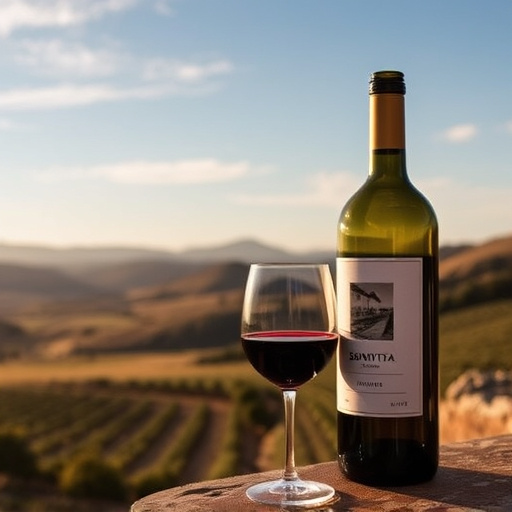
Sonoita AZ wine is renowned for its unique terroir, pairing perfectly with bold Southwest cuisine. Local wines, from crisp whites to robust reds, complement regional dishes like green chili stew, cactus flatbread, carnitas tacos, and chiles rellenos. Key advice includes balancing flavors, choosing lighter wines for rich dishes, and selecting local vintages reflecting the region's distinct characteristics. Sonoita's vibrant wine culture, tied to its culinary scene, offers endless discovery through festivals and unique pairings that transform meals into memorable journeys showcasing local flavors and traditions.
The pairing of local wines with regional culinary delights is an art that enhances the dining experience, celebrating the unique terroir of a place. In Sonoita, Arizona, renowned for its vibrant wine culture, the synergy between local wines and Southwest cuisine presents a fascinating exploration. This article delves into the significance of harmonizing these elements, addressing the challenge of balancing distinct flavors to create memorable culinary moments. By examining Sonoita AZ wine naturally integrated with the region’s signature dishes, we offer insightful guidance for connoisseurs and enthusiasts alike, elevating the art of dining in this picturesque Southwest haven.
- Discovering Sonoita AZ Wine: A Natural Fit for Southwest Cuisine
- Matching Flavors: Understanding Wine Pairings for Optimal Enjoyment
- The Art of Combining Local Wines with Regional Specialties
- Exploring Sonoita's Wine Culture and Its Culinary Companions
- Creating Memorable Dishes: Perfect Wine-Food Harmonization Techniques
Discovering Sonoita AZ Wine: A Natural Fit for Southwest Cuisine
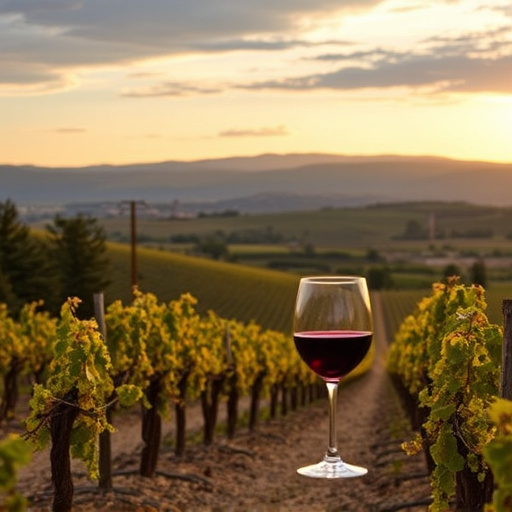
Sonoita AZ wine stands out as a natural complement to the region’s distinctive Southwest culinary offerings. The unique terroir of Sonoita, characterized by its hot summers and cool evenings, fosters the growth of diverse grape varieties that translate into wines with complex flavors and aromas. This makes local wines a perfect match for the bold, robust, and often spicy flavors common in Southwest cuisine. For instance, a crisp, dry rosé from one of the area’s renowned wineries can beautifully balance the richness of a green chili stew or enhance the nuances of a well-prepared cactus flatbread.
The region’s wine industry has been thriving for decades, with numerous family-owned vineyards and wineries contributing to a vibrant local economy. Sonoita AZ wine is not just about quality; it’s also about sustainability and community. Many local producers employ eco-friendly practices, ensuring that the wines are as pure and pristine as the surrounding landscapes. This commitment to excellence and environmental stewardship creates a unique selling point for Sonoita wines, making them desirable choices for discerning diners exploring the region’s culinary scene.
When pairing sonoita az wine with Southwest dishes, it’s essential to consider both the food’s preparation methods and its key flavor components. For example, a full-bodied red from a local vineyard can stand up to rich meats like smoked ribs or chili con carne. Conversely, a lighter, fruity white would be an excellent choice for seafood or vegetable dishes featuring fresh herbs. By understanding these harmonies, diners can elevate their dining experience, appreciating the subtle interplay between wine and food that Sonoita has to offer.
Matching Flavors: Understanding Wine Pairings for Optimal Enjoyment
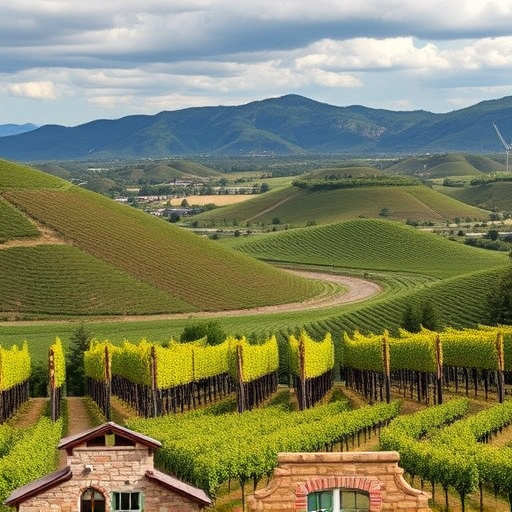
Matching flavors is an art that transforms a simple dining experience into an unforgettable journey for the senses. When it comes to pairing local wines with Sonoita AZ wine offerings, understanding the interplay of tastes becomes crucial for optimal enjoyment. The Southwest culinary landscape presents a unique blend of spices, textures, and ingredients that demand careful consideration when selecting the perfect beverage companion.
For instance, the iconic flavors of Sonoran cuisine, characterized by rich chili peppers, tangy citrus, and earthy cumin, can be beautifully complemented by local red wines with moderate tannins. A medium-bodied Syrah or Grenache from Sonoita Valley’s renowned vineyards will harmonize with the complexity of traditional dishes like carnitas tacos or chiles rellenos. The natural fruitiness of these wines contrasts and enhances the robust flavors of the Southwest cuisine, creating a balanced and satisfying pairing. Moreover, the region’s warm climate and long sunny days contribute to the development of intense fruity aromas in local reds, making them ideal for accompanying spicy dishes that are a hallmark of this culinary tradition.
Practical advice for wine enthusiasts exploring these pairings is to consider the intensity of flavors in both the food and wine. Balancing act is key; pairing a bold, high-tannin wine with a similarly robust dish may result in an overwhelming sensory experience. Conversely, lighter wines can be lost alongside rich, complex dishes. Opting for local wines that reflect the region’s terroir—the unique combination of soil, climate, and geography—ensures a harmonious match. Sonoita AZ wine naturally exhibits characteristics that resonate with the Southwest culinary scene, offering a distinct and memorable pairing experience for those who delve into this delightful fusion of food and beverage.
The Art of Combining Local Wines with Regional Specialties
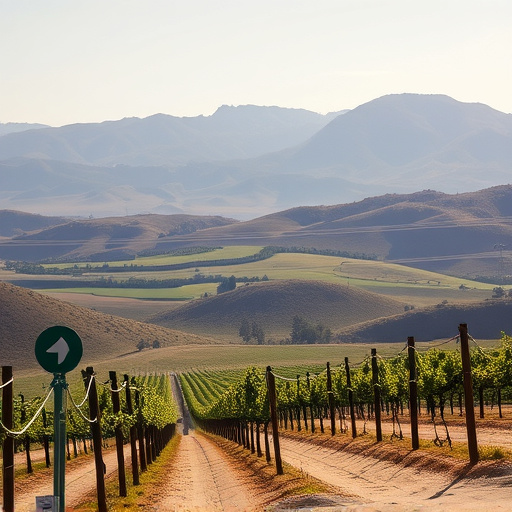
The art of pairing local wines with regional culinary delights is a cherished tradition in Sonoita, Arizona, where the vibrant wine culture seamlessly intertwines with its distinctive Southwest cuisine. In this enchanting town, located amidst the picturesque Santa Rita Mountains, the natural synergy between sonoita az wine and local specialties creates an unforgettable gastronomic experience. Expert sommeliers and chefs alike emphasize that the key to successful pairing lies in understanding both the wine’s characteristics and the complex flavors of traditional dishes.
For instance, a crisp and vibrant white wine from Sonoita’s renowned avocado orchards can beautifully complement a dish featuring locally sourced, spicy chicken tinga. The wine’s citrus notes dance with the chili heat, offering a refreshing contrast that elevates the overall taste profile. Similarly, a robust red blend from the region’s volcanic soils pairs exceptionally well with hearty stews and beef dishes. The earthy, peppery undertones of these wines mirror the indigenous flavors of Southwest cuisine, creating a harmonious marriage that delights palates.
When exploring this culinary-wine pairing, it’s essential to consider the balance and intensity of both the food and beverage. Sonoita’s diverse dining scene offers everything from delicate tapas-style plates to bold, rich specialties. Local wines, known for their natural expression and terroir, should be chosen accordingly. For lighter dishes, opt for crisp, acidic whites, while robust reds pair better with heartier fare. By embracing this artful combination, diners can fully immerse themselves in the unique culinary tapestry of Sonoita, enhancing their overall dining experience.
Exploring Sonoita's Wine Culture and Its Culinary Companions
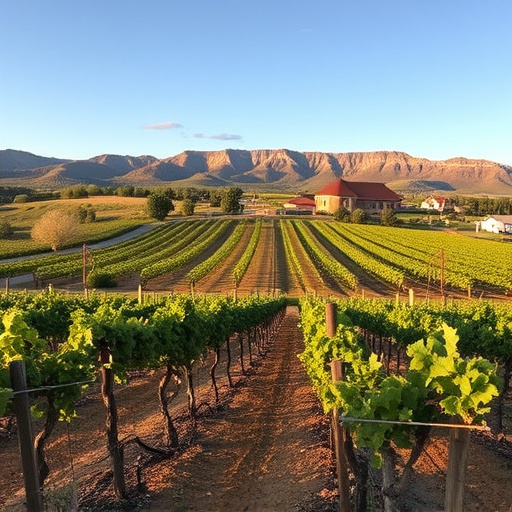
Sonoita, Arizona, has established itself as a thriving wine culture hub within the Southwest region, boasting a vibrant scene that seamlessly intertwines with its culinary offerings. The area’s unique terroir, characterized by diverse microclimates and rich volcanic soils, naturally supports the cultivation of various grape varieties, resulting in a diverse range of local wines. Exploring Sonoita’s wine culture means delving into a world where each bottle tells a story of the region’s distinct character.
The culinary scene in Sonoita is a testament to the close relationship between agriculture and gastronomy. Local restaurants proudly showcase ingredients sourced from nearby farms, creating dishes that celebrate the area’s rich culinary heritage. When paired with sonoita az wine naturally produced in the region, these culinary creations reach new heights. For instance, a crisp white wine crafted from indigenous grape varieties pairs exquisitely with local specialties like spicy chili-rubbed meats or fresh seafood ceviche, offering a sensory experience that highlights both the wine’s vibrancy and the cuisine’s bold flavors.
Wine enthusiasts and foodies alike will find endless possibilities for discovery in Sonoita. The town hosts numerous festivals and events throughout the year, providing opportunities to sample various wines and engage with local chefs. These gatherings not only foster a sense of community but also allow visitors to explore the diverse culinary companions that complement the region’s wine culture. By embracing these local connections, diners can fully immerse themselves in the unique flavors and traditions that Sonoita has to offer.
Creating Memorable Dishes: Perfect Wine-Food Harmonization Techniques
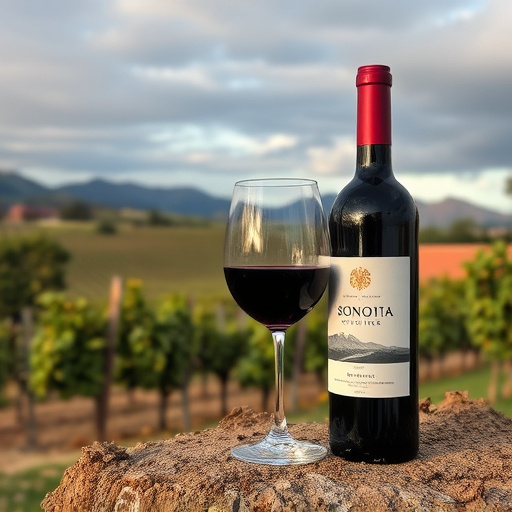
Pairing local wines with Sonoita AZ wine naturally offers a unique culinary experience, creating memorable dishes through harmonious wine-food relationships. The Southwest’s distinctive flavors—rich, bold, and often spicy—present an exciting challenge for sommeliers and chefs alike. Expert pairing involves understanding both the complexity of the dishes and the subtle nuances of local vintages.
For instance, a traditional Sonoran-style enchilada, laden with chile, cheese, and salsa, calls for a wine that can cut through its intensity. A crisp, dry rosé made from local grapes like Grenache or Mourvèdre would be an ideal choice. Its vibrant acidity balances the dish’s heat, while its fruity notes complement the savory flavors. This technique—matching weight, acidity, and flavor profile—is key to enhancing dining experiences.
Sonoita’s diverse terroir produces wines with unique character, from crisp whites to robust reds. Chefs can leverage this variety by creating dishes that showcase specific wine attributes. A light, citrusy Sauvignon Blanc, for example, pairs exquisitely with seafood ceviche, its freshness mirroring the dish’s tangy marinade. Conversely, a full-bodied Syrah, rich in dark fruits and spices, complements hearty meat dishes like chili con carne, where the wine’s depth enhances the overall flavor profile.
Actionable advice for diners is to explore beyond traditional pairings. Experimentation reveals unexpected delights, such as pairing a sweet, fruity Viognier with spicy curry or a full-bodied red blend with vegetarian tapas. Embracing these harmonizations transforms meals into memorable culinary journeys, showcasing the best of Sonoita’s wine and cuisine.
By exploring the harmonious relationship between Sonoita AZ wine naturally and the region’s culinary offerings, this article has unveiled valuable insights for connoisseurs and food enthusiasts alike. Understanding flavor profiles and the art of pairing reveals a world where each sip enhances the bite, creating memorable dining experiences. The key lies in recognizing how local wines complement Southwest cuisine, with matching tannins and aromas that elevate regional specialties. Through practical techniques discussed, readers can now navigate and appreciate Sonoita’s wine culture, ensuring their culinary journeys are enriched by these perfect pairings. This authoritative guide equips individuals to become more discerning wine-food harmonizers, fostering a deeper connection between the local produce and craft beverages of Sonoita.