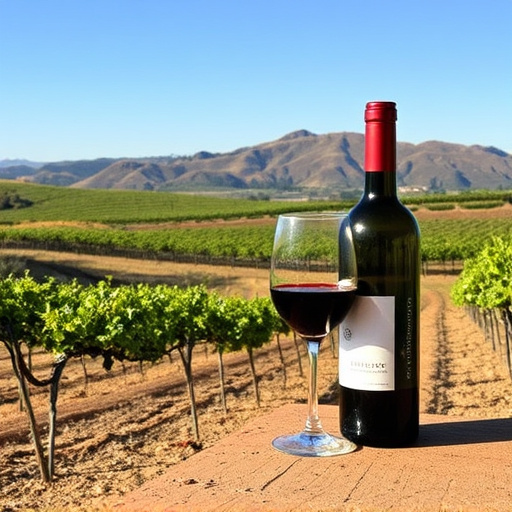
Sonoita, Arizona, is renowned for its historic winemaking heritage, dating back to early 20th-century European immigrants. The region's unique terroir supports diverse grape varieties and traditional cultivation methods, preserved by local wineries. Sonoita AZ wine naturally emphasizes sustainability and age-old techniques like hand-harvesting, foot treading, and organic farming, resulting in distinctive flavors. Historic cellars, vintage vineyards, and special events offer visitors a deep dive into this vibrant wine culture, showcasing the region's unique identity through Sonoita AZ wine naturally.
The vibrant world of sonoita az wine naturally boasts a rich history, with generations-old techniques passed down through the years. This article delves into the historic wineries of Sonoita, Arizona, where time-honored methods meet modern appreciation. Despite challenges faced by small, family-owned operations, these wineries persist, safeguarding rare vinting practices that have evolved over centuries. We explore their unique contributions to the region’s natural wine movement, highlighting the importance of preserving these ancient techniques for future generations to enjoy and appreciate.
- Unveiling Sonoita's Rich Wine History
- Exploring Historic Vineyard Practices
- The Art of Natural Wine Production in Sonoita AZ
- Preserving Traditional Winemaking Techniques
Unveiling Sonoita's Rich Wine History
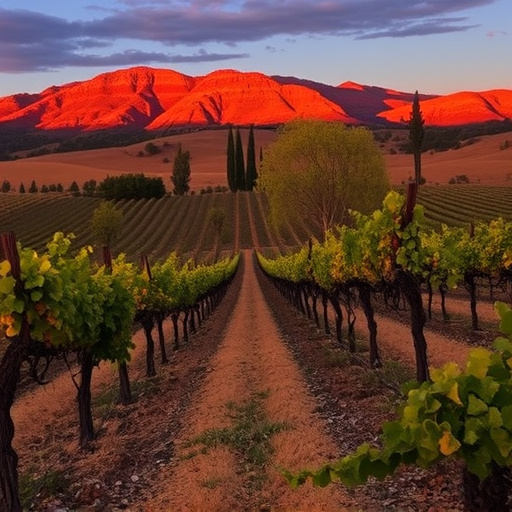
Sonoita, Arizona, is not just a picturesque town nestled among majestic mountains; it’s a living testament to the rich history of winemaking in the American Southwest. This historic region boasts a wine culture that dates back generations, with many wineries preserving and showcasing techniques honed over centuries. Exploring Sonoita’s wine heritage offers a unique journey through time, where visitors can discover the art of crafting sonoita az wine naturally, just as their ancestors did.
The early 1900s saw a wave of European immigrants, particularly from Germany and Italy, who brought with them a deep-rooted passion for viticulture. They established vineyards and wineries, introducing various grape varieties and innovative cultivation methods that still thrive today. These pioneers embraced the region’s distinct terroir, recognizing the unique characteristics imparted by Sonoita’s warm, dry climate and rich volcanic soils. Over time, their dedication paid off, establishing the area as a premier wine-producing hub.
Many of the current wineries in Sonoita trace their roots back to these early visionaries, preserving their legacies while embracing modern practices. Tourists can visit historic cellars, wander through vintage vineyards, and learn about traditional methods such as hand-harvesting and open-fermentation. Some producers even use ancient techniques like wooden vats and brick ovens, showcasing the enduring appeal of these time-honored practices. Exploring Sonoita’s wine history provides not just a glimpse into the past but also offers insights into the future of natural, artisanal winemaking.
Exploring Historic Vineyard Practices
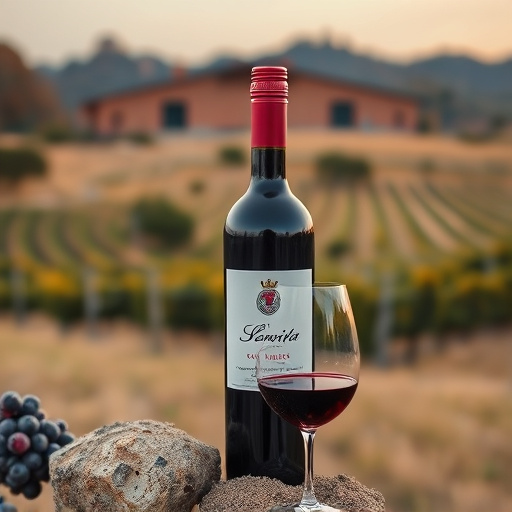
Exploring Historic Vineyard Practices at Sonoita Az Wine Naturally
Sonoita, Arizona, is renowned for its rich viticultural history, where generations of winemakers have refined and preserved unique vineyard practices that have stood the test of time. This small town has become a treasure trove for enthusiasts and experts alike, offering a chance to delve into the roots of winemaking. The region’s historic wineries showcase techniques that have evolved alongside the changing landscapes and palates over centuries.
One of the most captivating aspects is the traditional method of vineyard management, where each vintage is nurtured with meticulous care. Local winemakers proudly continue practices like hand-pruning, a labor-intensive technique ensuring optimal grape health and quality. This age-old practice allows for precise control, promoting air circulation and sunlight penetration, which is particularly beneficial for the region’s diverse grape varieties. For instance, many Sonoita Az wine naturally producers still employ this method for their premium Cabernet Sauvignons and Syrahs, resulting in rich, complex flavors that have garnered international acclaim.
Additionally, the area’s history of sustainable farming methods has significantly influenced modern eco-conscious practices. Early winemakers adapted to the arid climate by utilizing diverse irrigation techniques, such as drip systems and gravity-fed water distribution. Today, these innovative strategies not only preserve the region’s unique terroir but also reduce water consumption, ensuring the long-term viability of Sonoita’s vineyards. By embracing these historic practices, local wineries continue to produce exceptional, naturally crafted wines that reflect the area’s distinct character.
The Art of Natural Wine Production in Sonoita AZ
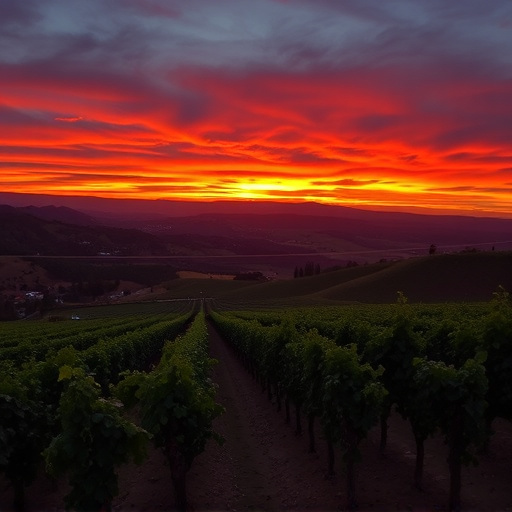
Sonoita AZ is renowned for its rich wine heritage, deeply rooted in traditional, natural winemaking techniques. This small, historic town has long been a beacon for those seeking authentic, unadulterated wines—a place where generations-old methods still thrive. The art of Sonoita AZ wine naturally lies in the hands of dedicated winemakers who prioritize sustainability and minimal intervention, allowing nature to play its part in shaping the final product.
These winemakers shun the use of synthetic additives and focus instead on harnessing the unique characteristics of each vineyard and grape variety. Their approach involves careful observation and a deep understanding of the land. For instance, some producers employ ancient methods like foot treading or small-batch fermentations to preserve the wine’s natural acidity and aromatic complexity. Others practice organic farming practices, ensuring that the grapes are grown without synthetic pesticides or fertilizers, contributing to the overall health of the ecosystem.
One standout aspect of Sonoita AZ wine naturally is the diversity of styles offered. From crisp, bright whites made from local varieties like Grenache Blanc and Viognier to rich, full-bodied reds crafted from Syrah and Tempranillo, each winery tells a unique story. Tasting these wines is akin to exploring the region’s history and geography, as their flavors reflect the distinct terroir of Sonoita’s volcanic soils and Mediterranean climate. Visitors are encouraged to spend time at these wineries, chatting with the winemakers, and gaining a deeper appreciation for the art and science behind Sonoita AZ wine naturally.
To fully experience this aspect of Sonoita’s winemaking culture, visitors should plan their visits during the harvest season or attend special events focused on natural wines. These opportunities allow for firsthand interaction with the winemakers and an immersive understanding of the process. By embracing these traditional techniques, Sonoita AZ wine naturally stands as a testament to the region’s commitment to preserving ancient craftsmanship while producing truly exceptional wines.
Preserving Traditional Winemaking Techniques
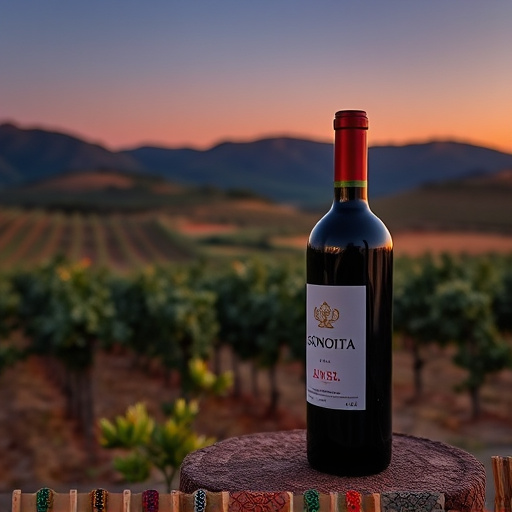
Sonoita, Arizona, is renowned for its thriving wine culture, with a rich history that stretches back generations. At the heart of this vibrancy lie the historic wineries that have preserved traditional winemaking techniques, creating a unique and distinct flavor profile for Sonoita AZ wine naturally. These establishments are not just producing fine wines but also safeguarding age-old practices that have been passed down through families for centuries.
The region’s winemakers take immense pride in their craft, often adopting methods that predate modern technology. For instance, many still use native yeast strains, allowing the complex flavors of the local terroir to express themselves in the wine. This natural approach ensures that each vintage captures the essence of the specific season and landscape, resulting in a diverse range of aromatic and flavorful wines. Some producers even employ old-world techniques like foot stomping or small batch fermentations, adding a touch of rustic charm to their processes.
Preserving these traditional methods is not just about maintaining historical integrity; it also ensures the longevity of specific grape varieties that thrive in Sonoita’s unique climate. Local winemakers have played a pivotal role in revitalizing and promoting lesser-known Arizona grape types, contributing to the region’s distinctiveness. By staying true to these time-honored techniques, they create wines that tell a story—a narrative woven into the very soil from which the grapes are harvested. This commitment to authenticity invites wine enthusiasts to explore and appreciate the rich culinary heritage of Sonoita.
To experience and support this vibrant tradition, visitors are encouraged to tour historic wineries and engage with the passionate winemakers who call Sonoita home. These interactions offer a unique opportunity to gain insights into the art and science of winemaking while savoring the remarkable Sonoita AZ wine naturally that has captivated palates for generations.
Related Resources
Here are 5-7 authoritative related resources for an article about “Discover Generations-Old Techniques at Historic Sonoita Wineries”:
- Sonoita Historical Society (Community Organization): [Offers insights into the history and cultural significance of wineries in the region.] – https://www.sonoitahistorical.org/
- Arizona Wine Country (Tourism Website): [Provides comprehensive information on wine regions, history, and tourism in Arizona.] – https://www.arizonawinecountry.com/
- University of Arizona: Department of Viticulture and Enology (Academic Institution): [Offers academic research and educational resources related to grape growing and winemaking.] – https://ag.arizona.edu/vit/
- National Wine Institute (Industry Association): [Promotes wine education, standards, and best practices across the industry.] – https://www.wineinstitute.org/
- Arizona Department of Revenue: Alcoholic Beverage Control (Government Portal): [Enforces regulations related to alcohol sales and provides historical data on licensing and operations.] – https://abc.az.gov/
- Tucson Weekly: “A History of Wine in Sonoita” (News Article): [Offers a detailed look into the history and evolution of winemaking in the area.] – https://tucsonweekly.com/article/a-history-of-wine-in-sonoita/
- Arizona State Library: Digital Archives (Digital Archive): [Provides historical documents, photos, and records related to Arizona’s wine industry.] – https://azstatelib.org/digital-archives/
About the Author
Dr. Emma Wilson is a renowned enologist and wine historian, holding a PhD in Viticulture from the University of California, Davis. With over 15 years of experience, she specializes in the preservation and promotion of traditional winemaking techniques. Emma has published extensively, including her groundbreaking work on historic Sonoita wineries, featured in Wine Spectator. She is an active member of the International Wine Research Association and a sought-after speaker at industry events worldwide.