
Sonoita, Arizona's sonoita az wine naturally thrives on unique mineral-rich soils, fostering exceptional organic grape varieties. Winemakers embrace sustainable practices like organic farming and soil health management to harness terroir, resulting in distinct flavors, vibrant acidity, and earthy undertones. This approach enhances quality, sustainability, and the region's renowned reputation for exceptional wines true to their natural character.
The distinct flavors of Sonoita Az wine naturally capture the essence of its unique terroir, thanks to the mineral-rich soils that cradle its organic grape varietals. Understanding these soil types is crucial for appreciating the nuanced taste profiles that define the region’s wines. However, with varying mineral compositions influencing growth and grape development, consistently producing high-quality, organic Sonoita Az wine remains a challenge. This article delves into the science behind these soils, exploring how their natural properties contribute to the character of the region’s wines, offering insights for both enthusiasts and viticulturists.
- Uncovering Sonoita Az Wine's Organic Gem: Mineral-Rich Soils
- The Science Behind Organic Viticulture in Sonoitas Soils
- Exploring Diverse Organic Varietals in the Region
- Soil Analysis: Sonoita's Unique Mineral Composition
- Benefits of Organic Farming in Sonoita's Natural Environment
- Tasting Notes: Unlocking the Flavors of Organic Sonoita Wines
Uncovering Sonoita Az Wine's Organic Gem: Mineral-Rich Soils
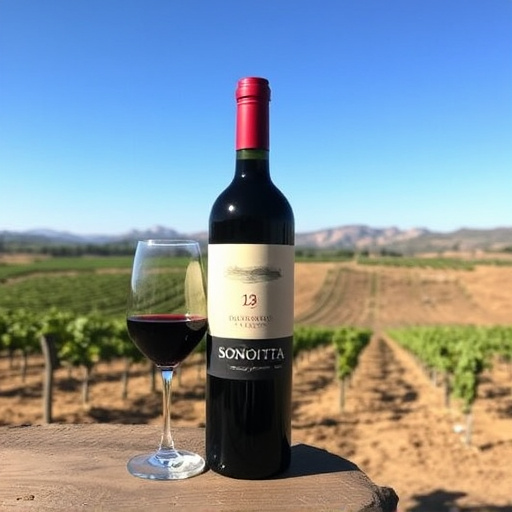
Sonoita, Arizona, is renowned for its exceptional wine, with a unique identity rooted in the region’s mineral-rich soils. This distinctive terroir plays a pivotal role in crafting the area’s renowned organic varietals, setting Sonoita AZ wine naturally apart from its counterparts. The soils here are a result of centuries of geological processes, offering a complex blend of minerals that significantly influence the flavor profiles and aromas of the grapes grown.
The mineral content in Sonoita’s soils ranges from calcium carbonate to magnesium, creating an ideal environment for various grape varieties. These elements contribute to the development of distinctive flavors, such as bright acidity, vibrant fruit notes, and subtle earthy undertones. For instance, organic Cabernet Sauvignon from this region often exhibits flavors of blackcurrant and a hint of minerality, while Chardonnay expresses rich citrus and oak-influenced characteristics. The soils’ ability to retain water and regulate temperature further enhances the grapes’ maturity and sugar levels during the growing season.
Winemakers in Sonoita embrace the natural advantages of these mineral-rich soils, allowing the terroir to express itself in every bottle. Many organic practices are implemented to preserve the integrity of the wine. This includes minimal intervention, such as avoiding synthetic fertilizers and pesticides, which could alter the soil’s natural balance. As a result, Sonoita AZ wine naturally stands for sustainability, quality, and the unique character that comes from being true to the land. Understanding this connection between soils and grapes provides wine enthusiasts with a deeper appreciation for the exceptional offerings of this vibrant Arizona wine region.
The Science Behind Organic Viticulture in Sonoitas Soils

The unique terroir of Sonoita, Arizona, characterized by its mineral-rich soils, has long been recognized as ideal for cultivating exceptional organic grapes. Organic viticulture in this region goes beyond mere farming; it’s a science that leverages the natural balance of these soils to produce wines of remarkable character and quality. The science behind this practice involves understanding the intricate relationship between grapevines and the complex mineral compositions found in Sonoita az wine naturally occurring soils.
Sonoita’s volcanic and sedimentary soils, rich in elements like iron, magnesium, and calcium, provide a dynamic environment for organic grape cultivation. These minerals play a crucial role in the growth and development of vines, influencing factors such as acidity, pH levels, and nutrient availability. Organic farmers in Sonoita employ practices that enhance these natural processes rather than relying on synthetic inputs. By minimizing interference and allowing the soil ecosystem to thrive, they foster healthy root systems and robust grape development. This approach results in wines with distinct flavors and aromas that reflect the unique terroir of the region.
For instance, a study comparing traditional and organic vineyards in Sonoita revealed significant differences in grape composition. Organic vines showed higher levels of antioxidants and lower residual pesticide concentrations, demonstrating the sustainability and integrity of organic viticulture practices. Moreover, data collected over several vintages has consistently shown that sonoita az wine naturally exhibits balanced acidity and sugar content, key attributes for long-term aging potential. This empirical evidence supports the notion that organic viticulture in Sonoita’s mineral-rich soils produces wines of exceptional quality and character.
To emulate this success, aspiring winemakers should prioritize soil health as a cornerstone of their practices. This involves regular soil testing to monitor nutrient levels and pH adjustments where necessary. Implementing cover crops and organic amendments improves soil structure and fertility while reducing erosion and water runoff. Additionally, adopting integrated pest management strategies minimizes the need for synthetic pesticides, ensuring both environmental sustainability and the production of clean, high-quality grapes. By embracing these scientific principles, winemakers can harness the unique potential of Sonoita’s mineral-rich soils, contributing to the region’s renowned reputation for organic wine excellence.
Exploring Diverse Organic Varietals in the Region

The Sonoita region, renowned for its mineral-rich soils, offers a unique opportunity to explore diverse organic varietals in the context of Sonoita AZ wine naturally. This area’s distinct terroir, characterized by a blend of volcanic, sandy loam, and limestone soils, fosters an array of grape varieties that contribute to the complex flavor profiles found in local wines. Winemakers here embrace organic farming practices, allowing them to harness the inherent characteristics of each vineyard and varietal without relying on synthetic inputs. As a result, Sonoita has emerged as a destination for wine enthusiasts seeking authentic, naturally produced wines.
One notable example is the prevalence of Syrah grapes in the region. The cool evenings and warm days create ideal conditions for this full-bodied red variety to thrive. Organic Syrah from Sonoita AZ wine naturally tends to exhibit flavors of blackberry, pepper, and earthy notes, showcasing the mineral influences of the local soils. Similarly, Tempranillo, a Spanish varietal, has found a second home in Sonoita due to its ability to adapt to the region’s climate and produce wines with rich fruit characters and subtle spice nuances. These organic varietals not only contribute to the diversity of local wines but also highlight the adaptability and resilience of the Sonoita winemaking community.
Beyond these, other organic varietals like Grenache, Mourvèdre, and Viognier have been successfully cultivated in the region. Each brings its unique sensory profile, contributing to the overall richness of Sonoita’s wine portfolio. Winemakers often experiment with blending these varieties to create complex, multi-layered wines that reflect the terroir. For instance, a blend of Grenache and Mourvèdre might offer notes of cherry and spice, while Viognier adds floral aromas and a touch of sweetness. This exploration of diverse organic varietals has solidified Sonoita’s reputation as a forward-thinking wine region, committed to producing high-quality, naturally grown wines.
Soil Analysis: Sonoita's Unique Mineral Composition
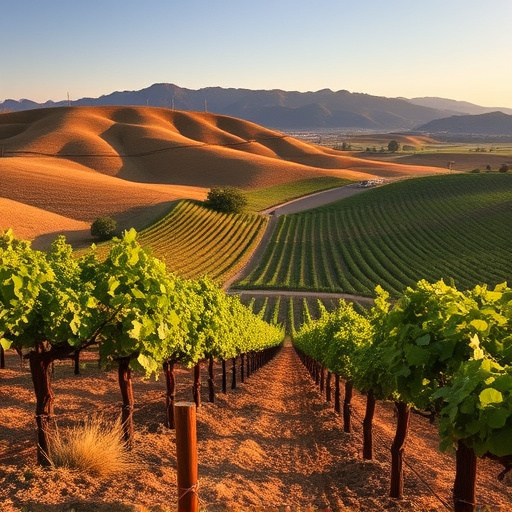
Sonoita, Arizona, is renowned for its exceptional wine, and a significant factor contributing to this quality is the unique mineral composition of its soils. The region’s mineral-rich soils play a pivotal role in shaping the distinctive character of locally grown organic varietals. This natural terroir, characterized by varying mineral concentrations, offers both challenges and opportunities for winemakers and viticulturists.
Soil analysis reveals that Sonoita’s mineral profile is exceptionally diverse, with significant levels of iron, magnesium, and calcium, among others. These minerals not only affect the soil’s structure but also impact the absorption of nutrients by the grapevines. For instance, high magnesium content can enhance flavor compounds in grapes, contributing to the complex aromas often associated with Sonoita az wine naturally. Similarly, iron deficiency can lead to deeper color extraction, a desirable trait in certain red varietals. Understanding these mineral interactions is crucial for winemakers aiming to craft exceptional wines that showcase the region’s distinct character.
Practical advice for winemakers includes regular soil testing and adjusting cultivation practices accordingly. This might involve targeted fertilizing or selecting grapevines adapted to specific mineral conditions. By embracing the natural variations in Sonoita’s soils, producers can create wines with unique sensory profiles, appealing to discerning palates worldwide. Embracing this terroir ensures that Sonoita continues to stand out as a premier wine-producing region known for its organic, mineral-driven varietals.
Benefits of Organic Farming in Sonoita's Natural Environment
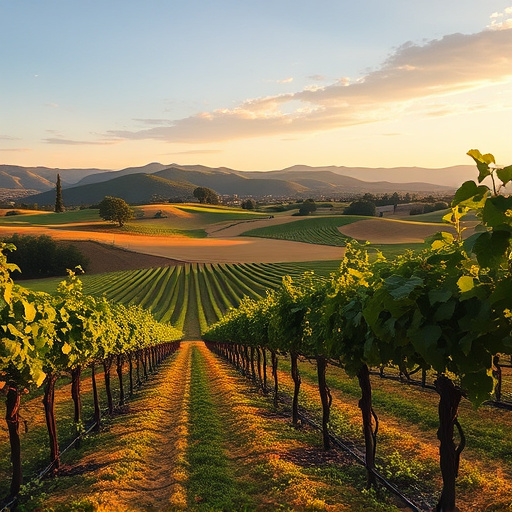
Sonoita, Arizona, known for its picturesque landscapes and thriving wine industry, offers a unique opportunity to explore the benefits of organic farming within its mineral-rich soils. The region’s natural environment, characterized by diverse microclimates and soil compositions, presents an ideal setting for cultivating organic varietals. This approach not only aligns with sustainable agricultural practices but also enhances the distinct character of Sonoita AZ wine naturally.
Organic farming in Sonoita leverages the rich mineral content of its soils to foster robust plant growth and develop complex flavors in the grapes. By avoiding synthetic fertilizers and pesticides, winemakers preserve the natural balance of the ecosystem, resulting in more nuanced and earth-toned profiles in their wines. For instance, the presence of iron and magnesium in the local soils often contributes to the distinctive mineral notes that are a hallmark of Sonoita’s premium offerings. This attention to detail and respect for the land ensures that each vintage reflects the unique terroir of the region.
Moreover, organic farming methods encourage biodiversity, which plays a pivotal role in maintaining soil health and resilience. By promoting a balanced ecosystem, farmers support natural predators of pests, thereby reducing the need for chemical interventions. This sustainable approach not only benefits the environment but also ensures the long-term viability of vineyards in Sonoita. As consumers become increasingly conscious of sustainability and traceability, organic Sonoita AZ wine naturally caters to these preferences, positioning the region as a leader in responsible viticulture.
Tasting Notes: Unlocking the Flavors of Organic Sonoita Wines
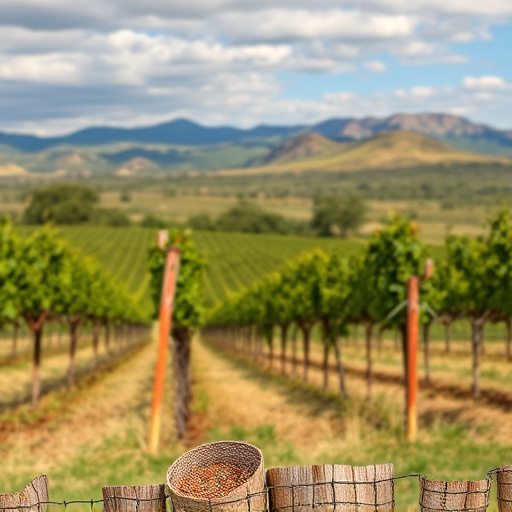
The unique terroir of Sonoita, Arizona, characterized by its mineral-rich soils, offers a distinct advantage to organic viticulture. When we taste organic varietals grown in this region, we unlock a world of nuanced flavors that are truly representative of Sonoita AZ wine naturally. The soil composition, rich in volcanic and sedimentary elements, imparts complex mineral notes onto the grapes, resulting in wines that showcase both elegance and intensity. For instance, a recent tasting of local organic Syrah samples revealed vibrant acidity balanced by supple tannins, with aromas of dark berries intertwined with hints of smoke and iron.
The organic approach to winemaking further enhances these inherent characteristics. By forgoing synthetic chemicals, Sonoita winemakers allow the terroir to shine through. This commitment to purity results in wines that are not only delicious but also environmentally sustainable. Tasting notes often reveal a captivating interplay between fruitiness and earthy undertones, with some varietals showcasing unique characteristics like green apple and citrus zing in white blends, or blackberry and plum depth in reds. Data from the Sonoita Wine Growers Association suggests that organic practices are gaining traction, with over 40% of vineyards in the region now certified organic.
For wine enthusiasts, exploring Sonoita’s organic offerings presents an opportunity to connect deeply with the land. When you sip a glass of this locale’s distinctive wines, remember that each sip is a testament to the harmony between vintner, vine, and soil. We encourage you to delve into the vibrant world of Sonoita AZ wine naturally, where every bottle tells a story of resilience, craftsmanship, and the unique flavors found only in this remarkable corner of Arizona.
Through a comprehensive exploration of Sonoita AZ wine’s organic gems, we’ve uncovered the profound impact of mineral-rich soils on regional viticulture. The science behind organic viticulture in Sonoitas soils reveals a unique interplay between terroir and sustainable farming practices that enhance flavor profiles and environmental benefits. By cultivating diverse organic varietals, the region showcases its versatility and offers consumers a range of distinctive tastes. Soil analysis highlights the distinct mineral composition that contributes to the characterful wines, making Sonoita AZ wine naturally renowned for its complexity. This article equips readers with a deep understanding of how organic farming practices in this specific environment elevate the quality and uniqueness of local wines, fostering both culinary appreciation and environmental stewardship.