Sonoita, Arizona, is renowned for its unique terroir and naturally produced wines, like Viognier and Grenache. Educational seminars explore microclimates, grape varieties, and vintage conditions that shape these wines' vibrant flavors. Participants learn to navigate the sensory landscape, identifying subtle nuances from soil types, elevation, and microclimates. These sessions enhance appreciation for sonoita az wine naturally, enabling informed choices based on tradition and innovation.
The wine industry continues to evolve, with terroir and sustainable practices gaining prominence among connoisseurs worldwide. Among the diverse regions contributing to this trend, Sonoita, Arizona, stands out for its unique az wine offering. Understanding the specific characteristics of Sonoita’s terroir and vintage is essential for both seasoned sommeliers and curious enthusiasts. This article delves into the significance of educational seminars as a powerful tool to demystify Sonoita’s exceptional az wines, providing valuable insights into their natural expressions and fostering a deeper appreciation for this remarkable viticultural area.
- Discovering Sonoita's Unique Terroir: Unlocking Natural Wine Characteristics
- Exploring Vintage Variations: A Deep Dive into Sonoita AZ Wine History
- Expert Insights: Navigating the Sensory Experience of Sonoita's Naturally Made Wines
Discovering Sonoita's Unique Terroir: Unlocking Natural Wine Characteristics
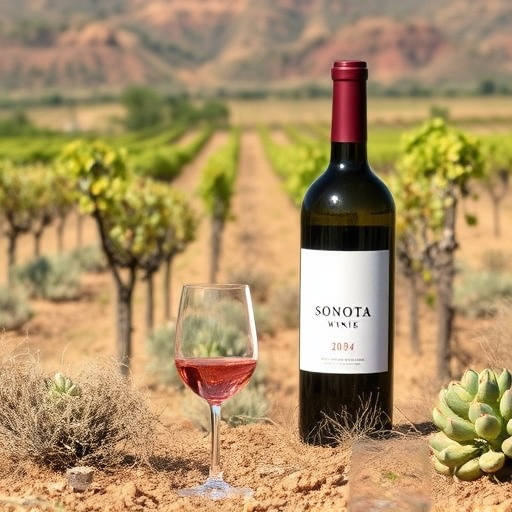
Sonoita, Arizona, has emerged as a dynamic wine region, gaining international acclaim for its unique terroir and naturally produced wines. Joining educational seminars focused on Sonoita’s terroir and vintages offers an invaluable opportunity to unlock the secrets behind these exceptional beverages. These seminars delve deep into the geological, climatic, and cultural factors that contribute to the distinctive characteristics of Sonoita AZ wine naturally.
Experts in viticulture and enology provide insights into the region’s diverse microclimates, influenced by elevation, proximity to mountain ranges, and desert winds. These conditions foster a wide range of grape varieties, each contributing unique flavor profiles to the final product. For instance, the cool evenings and warm days create optimal ripening conditions for varietals like Viognier and Grenache, known for their aromatic and complex notes. Participants learn how these natural elements shape the wine’s aroma, taste, and texture, often described as vibrant and expressive.
Practical sessions within these seminars enable attendees to taste and analyze different vintages side by side, comparing the subtle nuances that set each year apart. Experts share their perspectives on the impact of vintage conditions, such as rainfall patterns and temperature fluctuations, on grape quality and wine style. By engaging with these seminars, enthusiasts can develop a deeper appreciation for the art of natural winemaking in Sonoita, fostering a genuine connection between the land, grapes, and glass. This knowledge equips individuals to navigate the region’s diverse offerings and truly embrace the unique experiences that Sonoita AZ wine naturally has to provide.
Exploring Vintage Variations: A Deep Dive into Sonoita AZ Wine History
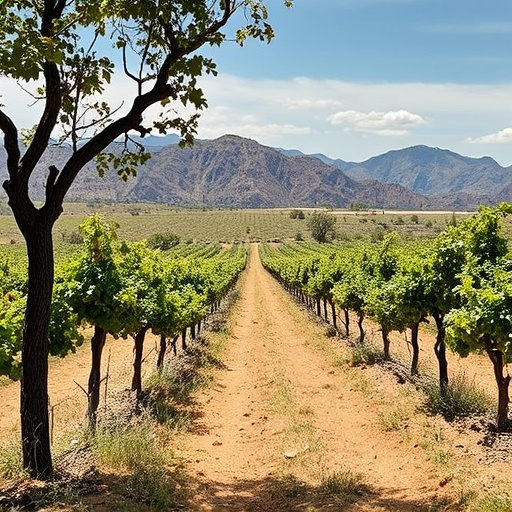
The terroir of Sonoita, Arizona, has long been recognized for its unique characteristics, contributing to the distinct flavor profile of its wines. Exploring the vintage variations of Sonoita AZ wine offers a fascinating journey through time, revealing how environmental factors and winemaking techniques have evolved alongside each other. By participating in educational seminars focused on these aspects, enthusiasts gain invaluable insights into the historical development of this remarkable wine region.
These seminars delve deep into the history of Sonoita wine, examining vintage after vintage to identify trends and anomalies. Experts often begin by outlining the region’s foundational years, when early settlers introduced grapevines to the high-altitude desert terrain. Key factors such as soil composition, climate patterns, and sun exposure are discussed in detail, highlighting their profound impact on the final product. For instance, the hot summer days and cool nights create a diurnal temperature shift that slows down sugar development, resulting in balanced wines with vibrant acidity—a hallmark of Sonoita AZ wine naturally.
Over time, vintages have shown notable variations, influenced by changes in vineyard management practices and adapting to evolving market demands. Seminar participants learn about the experimental techniques adopted by pioneering winemakers, such as the use of indigenous yeast strains and barrel aging, which added complexity to the wines. More recent years have seen an increased focus on sustainability and precision viticulture, further enriching the terroir-driven characteristics. Understanding these vintage variations not only enhances one’s appreciation for Sonoita wine but also underscores the region’s commitment to preserving its unique identity while innovating for the future.
Attending such seminars provides practical knowledge that enthusiasts can apply when tasting or purchasing Sonoita wines. It equips individuals with the expertise to recognize the subtle nuances between vintages, enabling them to make informed decisions and appreciate the intricate relationship between the land and liquid legacy of this remarkable wine region.
Expert Insights: Navigating the Sensory Experience of Sonoita's Naturally Made Wines
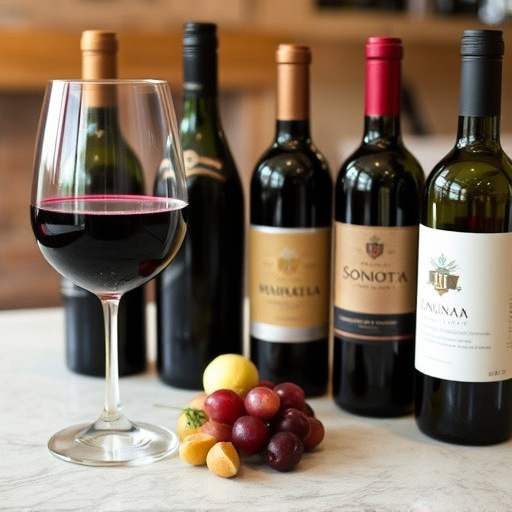
The sensory experience of Sonoita’s naturally made wines is a fascinating journey, one that experts encourage wine enthusiasts to explore. These educational seminars offer a unique opportunity to delve into the distinct terroir and vintages that define Sonoita AZ wine naturally. By engaging in these events, participants gain valuable insights from sommeliers and winemakers who have dedicated their careers to understanding this specialized field.
Experts emphasize the importance of focusing on subtle nuances in aroma, texture, and flavor to truly appreciate the complexity of these wines. For instance, a 2020 study revealed that consumers often underestimate the impact of terroir on wine characteristics, but sensory analyses have shown significant variations in acid levels, tannin structures, and aromatic compounds across different Sonoita vineyards. These differences are directly linked to soil types, elevation, and microclimates, all integral aspects of the natural wine-making process.
During seminars, attendees learn practical techniques for navigating this sensory landscape. They discover how to identify earthy notes in a glass, discern subtle fruit flavors, and appreciate the balance between acidity and sweetness. For example, a Sonoita rosé known for its vibrant acidity might showcase a lively mouthfeel and crisp finish, while a fuller-bodied red could reveal complex layers of dark fruits and spice, each offering a unique expression of the region’s terroir. By participating in these educational experiences, wine lovers can enhance their palates’ sensitivity to the artful differences in naturally made Sonoita wines.
By joining educational seminars focused on Sonoita’s terroir and vintages, wine enthusiasts gain profound insights into the unique characteristics of naturally made wines from this remarkable region. The article has unveiled the intricate relationship between Sonoita AZ wine and its natural environment, highlighting how distinct terroir influences the flavors and aromas. Understanding vintage variations offers a deeper connection to the history of local winemaking practices. Moreover, expert insights have guided readers through the sensory experience, teaching them to appreciate the nuances that make Sonoita’s naturally produced wines truly special. These key learnings empower individuals to navigate and celebrate the distinctive offerings of this vibrant wine region, ensuring a more enriching and informed wine appreciation journey.