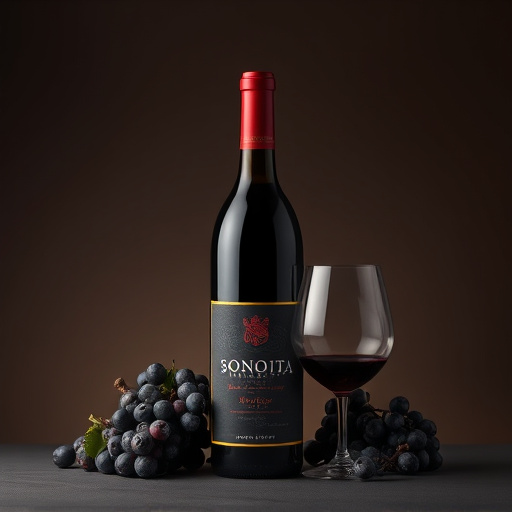
Nestled at 4,000+ feet elevation, Sonoita AZ has emerged as a premier high-elevation winemaking destination. Unique microclimate offers cool temps, increased sun exposure ideal for family-owned wineries producing complex, balanced wines. Challenges include slower ripening and frost risk, mitigated by techniques like canopy management and precision irrigation. Successful winemakers focus on cold-hardy varieties, invest in suitable vines, adopt sustainable practices, engage with the local community, and appreciate Sonoita's unique terroir to craft exceptional sonoita AZ wine naturally.
High elevation winemaking in Sonoita Arizona represents a unique and burgeoning art form, offering distinct characteristics that set its wines apart. As viticulture expands into higher elevations, understanding the impact of these environments on grape growth and wine quality becomes paramount for both producers and enthusiasts. This region presents challenges, from varying climates to soil composition, yet it also offers remarkable opportunities for creating exceptional, terroir-driven wines. By exploring Sonoita AZ wine naturally, this article delves into the science and passion behind this specialized craft, providing insights that enrich our appreciation of these remarkable beverages.
- Understanding High Elevation Winemaking in Sonoita AZ
- The Unique Challenges of Sonoita Az Wine Production
- Soil to Bottle: Exploring Regional Terroir in Sonoita
- Historic Roots: A Brief History of Wine in Sonoita Arizona
- Sustainable Practices in Sonoita's Naturally Growing Wines
- Tasting Notes: Discovering the Distinctive Flavors of Sonoita AZ Wine
Understanding High Elevation Winemaking in Sonoita AZ
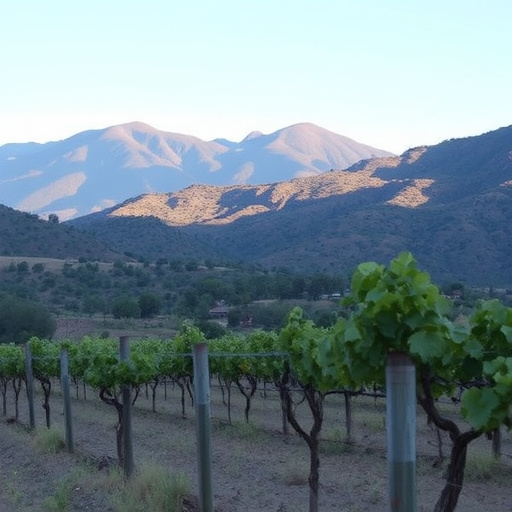
Sonoita Arizona, nestled at an elevation of over 4,000 feet, has emerged as a beacon for high elevation winemaking. This unique microclimate offers distinct advantages in viticulture, with cooler temperatures and higher sun exposure compared to lower-altitude regions. The area’s wine industry, characterized by small, family-owned wineries, leverages these conditions to produce wines that exhibit remarkable complexity and balance.
High elevation winemaking in Sonoita AZ presents both challenges and opportunities. The cooler temperatures can slow down grape ripening, allowing for a longer growing season and the development of more concentrated flavors. However, winemakers must carefully manage water resources and protect grapes from frost. Many employ innovative techniques such as canopy management and precision irrigation to mitigate these risks. The resulting wines, often characterized by vibrant acidity and nuanced aromas, have garnered international acclaim. For instance, some wineries in Sonoita AZ have produced award-winning varietals like Tempranillo and Grenache, showcasing the region’s diverse and promising terroir.
Practical insights for aspiring winemakers in Sonoita AZ include focusing on grape varieties well-adapted to cooler climates, investing in cold-hardy vines, and adopting sustainable farming practices tailored to the high elevation environment. Additionally, engaging with the local winemaking community offers invaluable opportunities for learning and collaboration. Visiting wineries, attending workshops, and participating in industry events not only deepen one’s understanding of high elevation winemaking but also foster connections that can be instrumental in navigating this specialized field. Ultimately, success in Sonoita AZ hinges on a deep appreciation for the region’s unique terroir and a commitment to producing wines that truly reflect the character of this remarkable Arizona wine country.
The Unique Challenges of Sonoita Az Wine Production
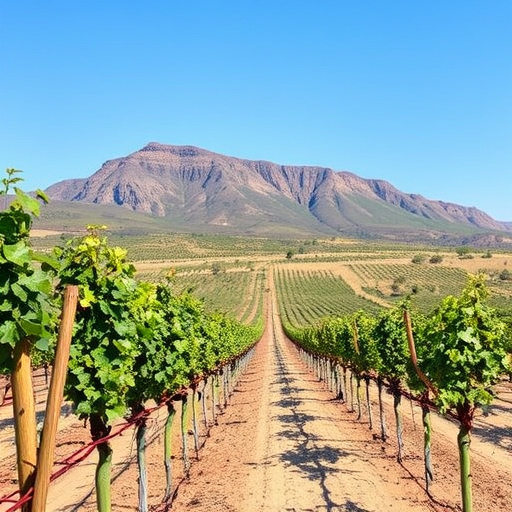
High elevation winemaking in Sonoita Arizona presents unique challenges distinct from its lower-altitude counterparts. With an average elevation of around 4,500 feet, the region experiences cooler temperatures, varied microclimates, and shorter growing seasons compared to traditional wine-producing areas. These factors significantly impact grape development and must be carefully managed to produce high-quality sonoita az wine naturally.
The cool climate demands that grapes ripen more slowly, which can lead to lower sugar levels and higher acidity. Winemakers in Sonoita must closely monitor harvest timing to avoid underripe fruit or overly acidic vintages. Additionally, the region’s diverse microclimates, influenced by its proximity to mountains and desert, can create variations in temperature and precipitation within short distances. This complexity necessitates precise vineyard management practices, such as strategic canopy pruning and carefully timed irrigation, to ensure even ripening across varying microclimates.
Another challenge is the shorter growing season, which limits the duration for grape development. Winemakers must select grape varieties well-suited to the region’s conditions, focusing on those that mature early or have proven success in higher elevations. For example, varietals like Tempranillo, Grenache, and Viognier have shown resilience and quality production in Sonoita’s unique environment. Understanding these challenges and implementing tailored strategies are key to crafting exceptional sonoita az wine naturally.
Soil to Bottle: Exploring Regional Terroir in Sonoita
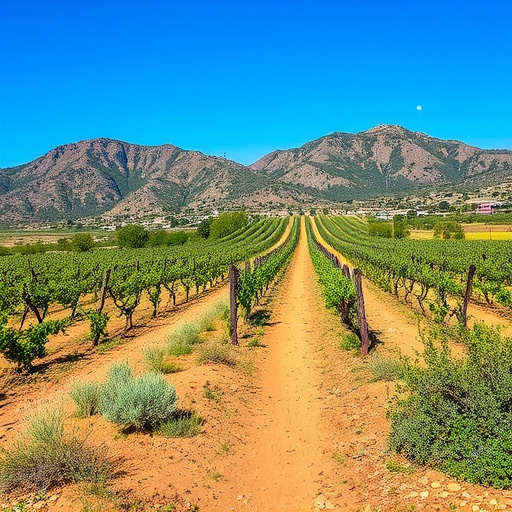
Sonoita Arizona, nestled at an elevation of over 4,000 feet, has established itself as a unique wine region, where the soil to bottle journey is a study in terroir. This high desert landscape offers distinct challenges and opportunities for winemakers, resulting in wines that are truly expressive of their origin. The regional terroir, characterized by well-draining sandy soils and intense sunlight, contributes to the development of vibrant fruit flavors and mineral notes in the grapes. Winemakers in Sonoita AZ wine naturally take advantage of these conditions, employing techniques that highlight the unique characteristics of each vintage.
The soil types prevalent in Sonoita, primarily composed of sandy loam and gravelly soils, offer excellent drainage, preventing waterlogging and encouraging deep root systems. This promotes grapevines to reach for the sun, resulting in optimal ripeness levels. The region’s long, warm days and cool nights create a diurnal temperature shift, slowing down sugar accumulation and allowing for balanced acidity. These environmental factors combine to craft wines with distinct aromatic profiles, often displaying floral, citrus, and stone fruit notes, accompanied by subtle mineral and earthy undertones.
Exploring the regional terroir involves an in-depth understanding of vineyard management practices. Winemakers here often employ canopy management techniques to control sun exposure and optimize air flow, preventing grape over-ripening while preserving acidity. Some producers also practice minimal intervention, allowing the natural processes of fermentation and aging to unfold without excessive manipulation, resulting in authentic expressions of Sonoita’s terroir. This commitment to capturing the essence of the region in every bottle has garnered national recognition for Sonoita AZ wine naturally, with many wineries attracting connoisseurs seeking these unique, location-specific vintages.
Historic Roots: A Brief History of Wine in Sonoita Arizona
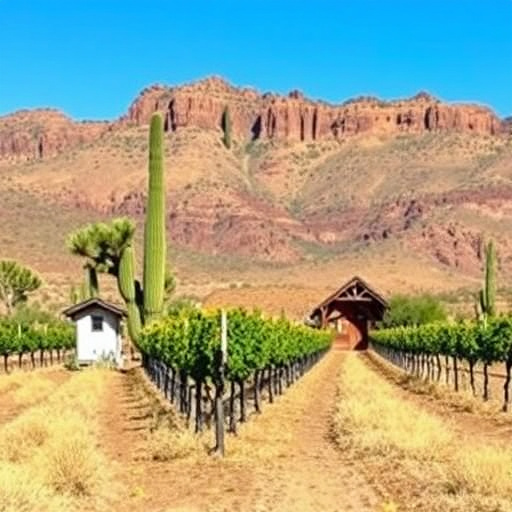
Sonoita Arizona wine has deep historic roots, tracing back to the late 19th century when pioneer winemakers first introduced grapevines to the region. The early 1900s saw the establishment of several wineries, each contributing to the area’s rich winemaking legacy. Despite facing challenges such as drought and economic downturns, Sonoita Az wine naturally has persevered and thrived. Today, it stands as a vibrant testament to the resilience and passion of local vintners.
One notable example is the historic Calistoga Winery, founded in 1905, which remains operational to this day. This winery, along with others like it, played a crucial role in shaping the distinct character of Sonoita Az wine naturally. Over time, the region’s winemakers have honed their craft, utilizing unique grape varieties and terroir to produce world-class wines that capture the essence of the high elevation environment.
The history of Sonoita Arizona wine is not just about survival; it’s about evolution. The community has embraced innovative practices while preserving traditional methods, creating a diverse and dynamic wine culture. This blend of old and new ensures that Sonoita Az wine naturally continues to captivate both local enthusiasts and international connoisseurs alike. For those interested in exploring this historic roots, visiting the area’s wineries offers a glimpse into the past and a chance to taste the future of Arizona viticulture.
Sustainable Practices in Sonoita's Naturally Growing Wines
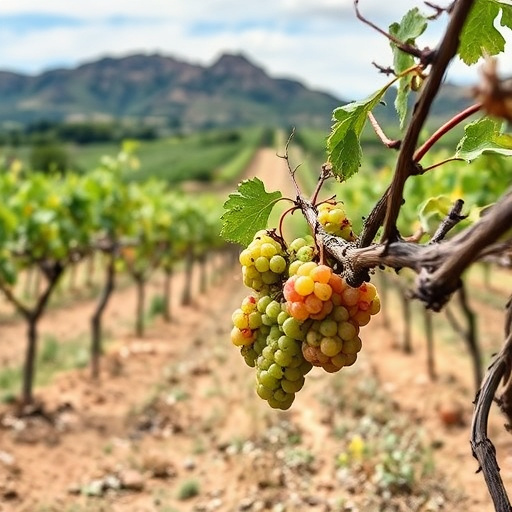
Sonoita Arizona wine, known for its naturally grown grapes, has emerged as a beacon of sustainable winemaking practices. This small, picturesque town nestled in the Santa Catalina Mountains enjoys a unique microclimate ideal for viticulture, allowing winemakers to embrace organic and eco-friendly methods. The region’s natural landscape, characterized by vibrant ecosystems and diverse soil types, provides a perfect environment for cultivating grapes that contribute to the distinctive character of Sonoita AZ wine.
Winery owners in Sonoita have proactively adopted sustainable practices, recognizing their role in preserving the delicate balance of the local ecosystem. Many employ organic farming methods, avoiding synthetic pesticides and fertilizers, instead relying on beneficial insects and compost to manage weeds and enhance soil fertility. Some producers even integrate renewable energy sources like solar panels into their operations, minimizing their carbon footprint. For instance, several wineries have implemented efficient irrigation systems that utilize rainwater collection, ensuring water conservation in this arid region.
Practical insights for aspiring sustainable winemakers in Sonoita include focusing on native grape varieties adapted to the local climate and soil conditions. These varieties often require less intervention and thrive without extensive chemical support. Additionally, maintaining diverse vegetation around vineyards helps attract beneficial fauna, naturally controlling pests. Winemakers can also participate in local conservation efforts, such as partnering with organizations dedicated to preserving the region’s unique biodiversity. By embracing these sustainable practices, Sonoita AZ wine continues to gain recognition for its exceptional quality and commitment to environmental stewardship.
Tasting Notes: Discovering the Distinctive Flavors of Sonoita AZ Wine
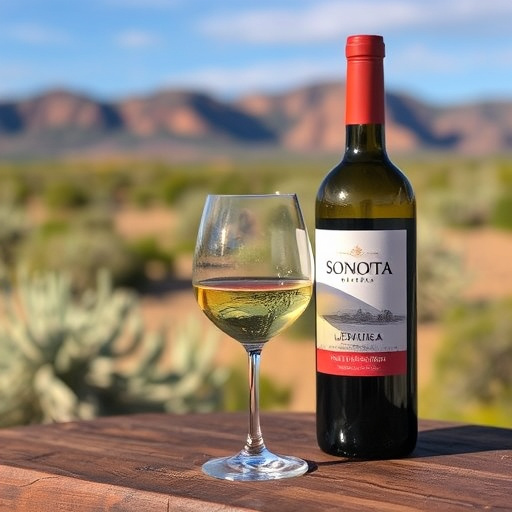
Sonoita Arizona wine has garnered significant attention for its distinctive flavors, a testament to the unique terroir of this high elevation winemaking region. The area boasts an average elevation of over 4,000 feet, contributing to a slower ripening process and distinct taste profiles compared to wines produced at lower elevations. Tasting notes of Sonoita AZ wine naturally reveal a range of characteristics that set it apart. For instance, expect vibrant acidity that cuts through the palate, often balancing out the richness of local varietals like Grenache and Syrah. The climate also fosters the development of notable tannic structures in red wines, providing a firm backbone that encourages cellaring potential.
The cool nights and warm days create an ideal microclimate for preserving natural flavors, resulting in wines with concentrated fruit expressions. Tasters often detect notes of bright red berries, followed by subtle earthy and herbal nuances as the palate unfolds. These complex aromas are a direct reflection of the region’s mineral-rich soils, which add another layer of depth to the sensory experience. Additionally, Sonoita’s long growing seasons allow grapes to accumulate more sun-ripened flavors, translating into rich, full-bodied reds and vibrant, refreshing whites.
When exploring Sonoita AZ wine, pay close attention to these nuanced tasting notes. Sommeliers and winemakers alike appreciate how the region’s unique characteristics translate into diverse styles, from elegant Pinot Gris to robust Cabernet Sauvignon. For a truly immersive experience, consider visiting local wineries directly. Not only will you have the opportunity to taste these exceptional wines, but engaging with knowledgeable staff can provide insights into the art and science behind high elevation winemaking in Sonoita Arizona.
High elevation winemaking in Sonoita, Arizona, offers a unique blend of challenges and benefits, shaped by its exceptional terroir and rich history. Understanding these factors is key to appreciating the distinctive character of Sonoita AZ wine naturally produced here. From navigating the region’s climate and soil composition to embracing sustainable practices, winemakers have cultivated a vibrant industry that showcases the area’s natural strengths. By delving into the historic roots and exploring the tasting notes, readers gain insights into the meticulous craftsmanship behind these wines, making them a true testament to Sonoita’s unique wine culture. This comprehensive exploration equips readers with valuable knowledge, enabling them to appreciate and support the thriving wine scene in this remarkable Arizona town.