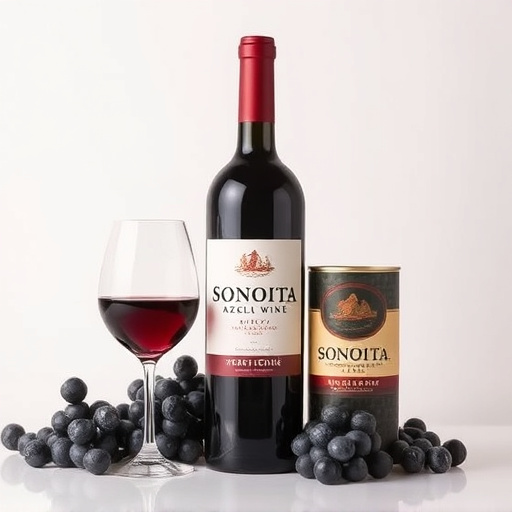
Sonoita AZ wine naturally thrives at high elevations due to long sunny days and cool nights, resulting in distinct flavors and acidity. Local winemakers adapt traditional methods to local climate, focusing on native grape varieties like Grenache and Viognier, and employing sustainable practices. Key strategies include precise temperature control, choosing suitable varietals, and adapting to unique microclimates. With a rich history and thriving community, Sonoita offers award-winning wines and immersive experiences, gaining international recognition for its distinctive terroir.
High elevation winemaking in Sonoita Arizona offers a unique approach to crafting wines with distinct character. Known for its challenging climate, the region presents winemakers with specific challenges, such as shorter growing seasons and varying temperature extremes. Despite these obstacles, Sonoita Az wine naturally thrives due to the distinctive terroir, yielding rich, complex vintages that command attention. This article delves into the science and art behind this specialized winemaking practice, exploring techniques, benefits, and the unique flavors that define Sonoita’s contribution to the global wine scene.
- Understanding High Elevation Winemaking in Sonoita AZ
- The Unique Terroir of Sonoita Az Wine Naturally
- Challenges and Benefits of Making Wine at Elevated Heights
- Exploring the Rich History and Future of Sonoita's Vineyards
Understanding High Elevation Winemaking in Sonoita AZ
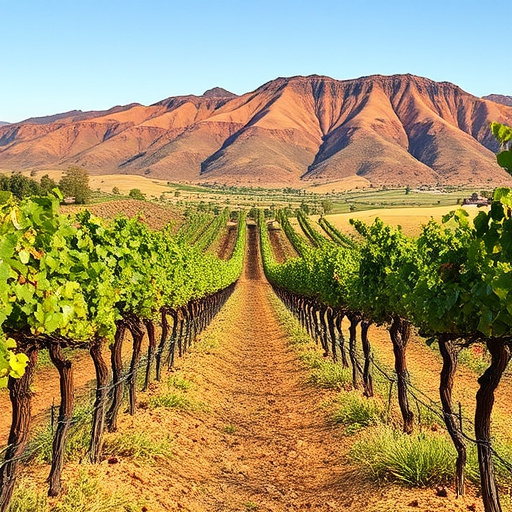
Sonoita AZ is renowned for its high elevation winemaking, an art that has blossomed in this unique desert ecosystem. At elevations exceeding 4,000 feet, the region benefits from long, sunny days and cool nights, creating a microclimate ideal for grape cultivation. This extreme altitude offers distinct advantages, such as slower ripening times that allow grapes to develop concentrated flavors and higher acidity levels, both of which are highly prized by winemakers. The natural terroir of Sonoita AZ wine is a harmonious blend of mineral-rich soils and the region’s distinctive climate, resulting in wines that exhibit complex aromas and palates.
The success of high elevation winemaking in Sonoita can be attributed to dedicated local vintners who have embraced the challenges presented by this rugged terrain. These pioneers have perfected techniques to navigate the region’s water scarcity, relying on drought-resistant grape varieties and efficient irrigation methods. The result is a diverse range of award-winning wines, from crisp white blends to robust red varietals, that have garnered international recognition. For instance, several Sonoita AZ wineries have won prestigious awards at global competitions, solidifying the region’s reputation as a leading producer of high-quality, distinctive wines.
Practical insights for aspiring winemakers in Sonoita AZ include focusing on native grape varieties adapted to the area’s conditions and investing in water conservation practices. Understanding the unique growing cycle dictated by the elevation is crucial; this often means adapting traditional winemaking methods to suit the local climate. Additionally, engaging with the tight-knit wine community can provide invaluable support and access to expertise. By embracing the challenges and rewards of high elevation viticulture, winemakers in Sonoita AZ are not only producing exceptional wines but also contributing to a vibrant and evolving wine culture that celebrates the natural excellence of this remarkable region.
The Unique Terroir of Sonoita Az Wine Naturally
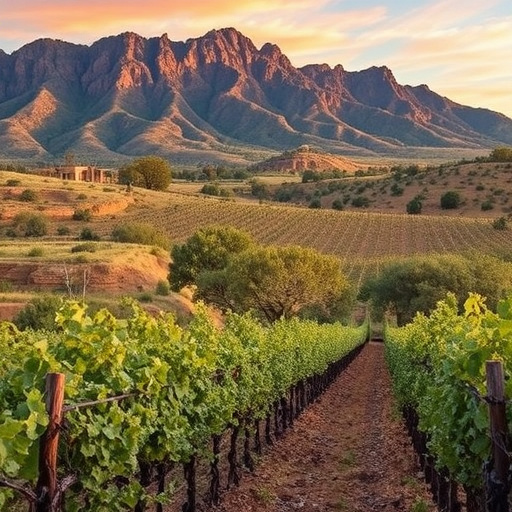
Sonoita Arizona wine naturally thrives due to a unique terroir that sets it apart from wines produced elsewhere. This small, picturesque town, nestled at an elevation of around 4,000 feet, benefits from long, warm days and cool nights, creating an ideal balance for grape ripening. The region’s volcanic soil adds another layer of complexity, providing excellent drainage while retaining just enough moisture to support robust plant life. These conditions are particularly favorable for varietal grapes like Grenache, Syrah, and Viognier, which have adapted well to the local climate and terrain.
The microclimate in Sonoita is influenced by its proximity to the Santa Catalina Mountains and the surrounding desert landscape. These factors contribute to a distinct flavor profile in sonoita az wine naturally, characterized by vibrant fruit flavors, balanced acidity, and earthy undertones. Local winemakers have embraced these natural attributes, crafting wines that reflect both the region’s heritage and its unique terroir. For instance, many producers focus on sustainable farming practices, avoiding synthetic fertilizers or pesticides, to preserve the integrity of the grapes and the overall ecosystem.
Visitors to Sonoita can experience this terroir through guided tours and tastings at numerous wineries. Each establishment offers a chance to delve into the specific characteristics of sonoita az wine naturally, from its aromatic complexity to its lingering finish. By engaging with local winemakers, enthusiasts can gain deeper insights into the art and science behind crafting these exceptional wines. This authentic connection to place and tradition ensures that Sonoita Arizona wine continues to captivate palates worldwide, solidifying its reputation as a premier wine-producing region in the American Southwest.
Challenges and Benefits of Making Wine at Elevated Heights
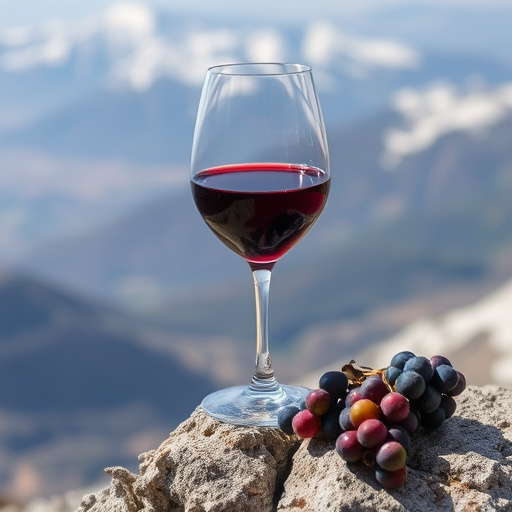
Winemaking in high elevations presents a unique set of challenges and benefits, particularly in areas like Sonoita, Arizona where wine production has flourished at these heights. One of the primary difficulties lies in the climate; cooler temperatures can delay fermentation and impact sugar levels, requiring winemakers to carefully monitor and adjust their processes. For instance, in Sonoita AZ wine naturally produced at elevations exceeding 4,000 feet, winemakers often need to implement strategies such as delayed harvesting or using specific yeast strains that can thrive in colder conditions.
Despite these challenges, high elevation offers distinct advantages. Softer, more gentle sunlight results in slower ripening grapes, allowing for enhanced flavor development and lower acid levels. This is particularly beneficial for certain grape varieties like Grenache and Mourvèdre, which are well-suited to the region’s climate. Furthermore, the unique terroir contributes distinctive character to the wine. Local soil types and atmospheric conditions create nuanced flavors and aromas, setting Sonoita AZ wines apart from their lower-altitude counterparts.
To maximize these benefits, winemakers should focus on understanding their specific microclimate and choosing grape varieties that align with it. Investing in equipment that facilitates precise temperature control during fermentation is also crucial. Additionally, adopting sustainable farming practices tailored to the region’s environmental conditions ensures not only high-quality wine but also long-term viability for Sonoita’s unique winemaking tradition.
Exploring the Rich History and Future of Sonoita's Vineyards
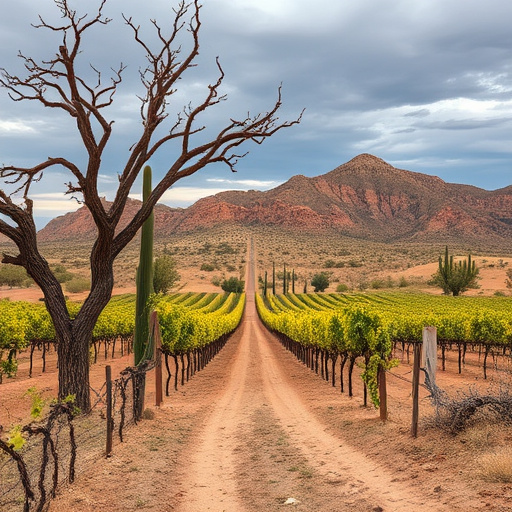
Sonoita, Arizona, nestled amidst the picturesque Santa Catalina Mountains, has emerged as a standout region for high elevation winemaking. The area’s unique terroir, characterized by mineral-rich soils and cool temperatures, creates a distinct environment that allows grapes to thrive in ways not possible at lower elevations. This natural advantage has fostered a rich history of viticulture, with early settlers recognizing the potential of the land for wine production as early as the 1800s. Today, Sonoita Az wine naturally stands out for its robust flavors and unique character, attracting both locals and visitors eager to sample the region’s best.
The historical roots of winemaking in Sonoita run deep, with some of the oldest vineyards dating back several decades. These early pioneers laid the groundwork for what is now a thriving industry, marked by numerous award-winning wineries and vibrant farm-to-table dining experiences. The cool nights and warm days characteristic of high elevation provide a perfect balance for grape growth, resulting in varietals like Grenache, Syrah, and Viognier that have become synonymous with Sonoita’s wine identity. This historical continuity, combined with innovative modern practices, ensures that the region continues to evolve while preserving its authentic character.
Looking ahead, the future of Sonoita’s vineyards appears promising. With increasing recognition from wine critics and growing demand from international markets, the region is poised for even greater success. Winemakers here are actively exploring new techniques and sustainable farming methods, ensuring the long-term viability of their craft. For visitors, this means opportunities to experience a diverse range of wines while immersing themselves in the area’s rich cultural heritage. Whether you’re a seasoned wine connoisseur or just starting your journey, Sonoita offers an authentic, unforgettable experience that reflects the best of high elevation winemaking.
Through an in-depth exploration of high elevation winemaking in Sonoita, Arizona, we’ve uncovered a unique and captivating wine culture shaped by its distinct terroir. The article has highlighted how the natural environment, characterized by its high altitude and specific soil composition, contributes to the distinctive flavor profiles of Sonoita AZ wine naturally. Overcoming challenges such as colder temperatures and shorter growing seasons is not without benefits; it encourages innovative techniques and fosters a resilient winemaking community.
The rich history of Sonoita’s vineyards demonstrates their enduring significance in the region, while also pointing towards an exciting future with potential for growth and further recognition. Readers now possess a comprehensive understanding of this specialized winemaking process, its advantages, and the vibrant heritage it sits within. This knowledge equips them to appreciate and support the unique offerings of Sonoita AZ wine naturally.