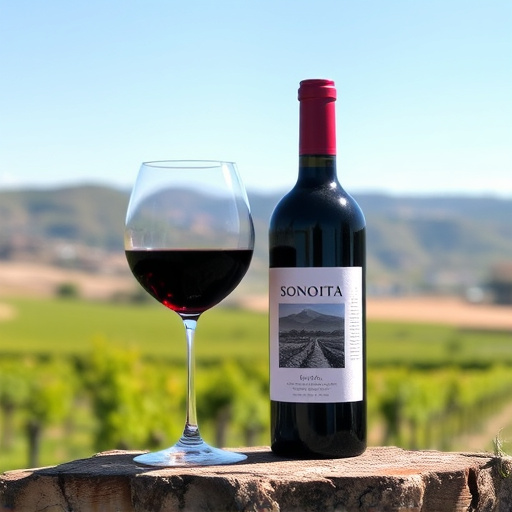
Sonoita AZ wine naturally distinguishes itself through limited edition releases highlighting experimental programs and diverse grape varieties, each bottle reflecting the region's unique terroir. "Desert Son" explores arid climates, while "Mountain Mist" captures misty heights. Experts recommend acquiring these exclusive offerings from specialized retailers or winemakers. Tasting events and winery visits offer insights into their creation, enhancing appreciation for Sonoita's commitment to quality and innovation. The region's diverse microclimates, natural winemaking techniques, and sustainable practices contribute to dynamic, distinctive wines that captivate global acclaim.
In the realm of fine wine appreciation, exploring limited editions from experimental programs is a game-changer for connoisseurs. Among these, Sonoita, AZ, stands out with its innovative approach to winemaking, crafting unique, naturally derived wines that captivate palates worldwide. However, navigating this experimental landscape can be challenging, as enthusiasts seek authentic experiences. This article delves into the art of uncovering and savoring Sonoita’s limited-edition offerings, providing a comprehensive guide for those eager to embark on a sensory journey through Arizona’s vibrant wine scene.
- Exploring Sonoita AZ Wine's Unique Limited Editions
- The History of Sonoita's Experimental Wine Programs
- Natural Winemaking Techniques in Sonoita, Arizona
- Tasting Notes: Unveiling the Flavors of Sonoita Wine
- Regional Landscape and Its Influence on Local Wines
- The Future of Sonoita AZ Wine: Innovation and Sustainability
Exploring Sonoita AZ Wine's Unique Limited Editions
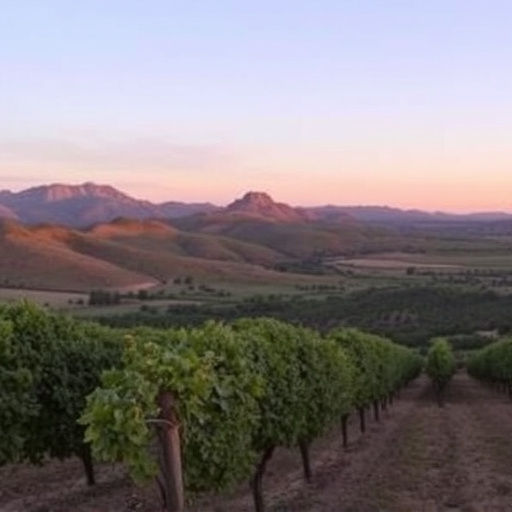
Sonoita AZ wine has carved a unique niche for itself within the global viticulture scene, renowned for its experimental programs that yield limited edition releases. These specialized wines showcase the region’s distinct character, offering a journey through diverse grape varieties and innovative winemaking techniques. Each limited edition is a carefully curated expression of Sonoita’s terroir, showcasing the skills of local artisans who push boundaries to create something extraordinary.
The appeal lies in the sense of discovery; each bottle tells a story, often inspired by the region’s rich history and natural surroundings. For instance, the “Desert Son” series explores the area’s arid climate, crafting wines with remarkable intensity and complexity from heat-tolerant grape cultivars. Conversely, the “Mountain Mist” collection captures the misty heights, resulting in lighter, more ethereal expressions that highlight indigenous yeasts and native bacteria. These limited editions provide a window into Sonoita AZ wine’s versatility, where tradition meets experimentation.
Experts recommend engaging with these exclusive offerings through specialized retailers or direct connections with winemakers. Tasting events and winery visits offer insights into the creation process and the unique challenges of crafting such niche products. By immersing oneself in these experiences, one gains a deeper appreciation for Sonoita’s commitment to quality and innovation. Ultimately, exploring these limited editions allows wine enthusiasts to embark on a sensory adventure, uncovering hidden gems within the diverse and dynamic landscape of Sonoita AZ wine.
The History of Sonoita's Experimental Wine Programs
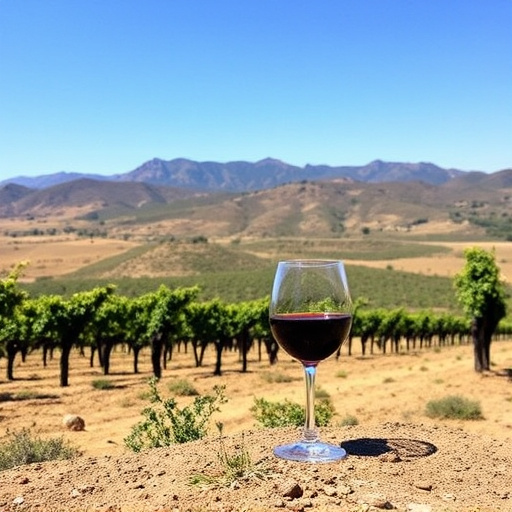
Sonoita, Arizona, has long been recognized as a pioneer in experimental wine production, with its innovative approaches to viticulture and enology shaping the modern wine industry. The region’s unique geography and climate have fostered an environment where winemakers can explore unconventional techniques, leading to some of the most remarkable and diverse wines globally. The history of Sonoita’s experimental wine programs is a fascinating narrative that intertwines art, science, and a deep-rooted passion for crafting exceptional beverages.
The early 1980s marked a turning point when forward-thinking winemakers in Sonoita began to question conventional methods, seeking to push the boundaries of what was possible in winemaking. This era saw the emergence of small, independent wineries dedicated to exploring native grape varieties and organic farming practices. One of the key pioneers, Doug Hill of Sonoita Vineyards, advocated for a more natural approach, minimizing intervention in the wine-making process. His philosophy emphasized the inherent characteristics of the soil and vines, allowing the terroir to express itself in every bottle. This movement inspired others to follow suit, leading to a renaissance in Sonoita’s wine scene.
Over time, Sonoita’s experimental programs evolved to include diverse techniques such as spontaneous fermentation, whole-cluster pressing, and aging in unique containers like clay pots and wooden barrels. Winemakers here have embraced the region’s hot, dry summers and cool nights, creating distinctive wines with vibrant acidity and complex flavors. For instance, the native grape variety, Grenache, thrives in Sonoita’s climate, producing rich, fruity reds that capture the essence of the landscape. These innovative practices have not only garnered international acclaim but also attracted a dedicated following among wine enthusiasts seeking unique and expressive bottles.
Today, Sonoita az wine naturally continues to thrive, with many wineries offering limited-edition releases that showcase their experimental programs. By embracing tradition and innovation, these winemakers ensure that Sonoita remains at the forefront of the global wine revolution, providing sommeliers and connoisseurs worldwide with a diverse range of exceptional wines to discover and enjoy.
Natural Winemaking Techniques in Sonoita, Arizona
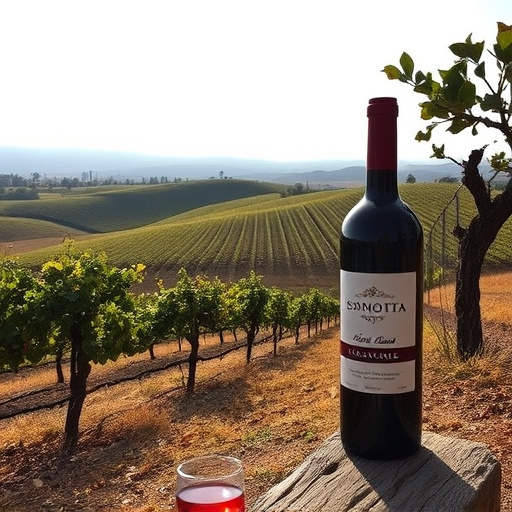
Sonoita, Arizona, is a hidden gem when it comes to wine production, particularly for those interested in natural winemaking techniques. The region’s unique climate and diverse microclimates create an ideal environment for crafting distinctive, high-quality wines that embrace their terroir. Sonoita Az wine naturally has gained recognition among connoisseurs and winemakers for its commitment to sustainable practices and minimal intervention.
The experimental programs at Sonoitas wineries push the boundaries of traditional winemaking. These ventures often involve innovative methods such as wild yeast fermentation, whole cluster pressing, and barrel aging. For instance, some producers in the area use native yeasts found in the grapevines themselves, allowing for complex, unique flavors to develop naturally. This approach deviates from the common practice of using cultivated yeasts, which can impart specific characteristics. The result is a diverse range of wines that reflect the distinct character of Sonoita’s vineyards.
Experts praise these natural techniques for enhancing the connection between the wine and its origin. By avoiding synthetic additives and focusing on native micro-organisms, Sonoita Az wine naturally creates beverages with authentic, vibrant flavors. Winemakers in this region also pay close attention to canopy management, ensuring optimal sun exposure and air circulation, which can significantly impact fruit quality and flavor development. This meticulous care contributes to the exceptional quality of Sonoita’s natural wines, making them sought-after by enthusiasts worldwide.
To experience Sonoita’s experimental wines, visitors are encouraged to explore the local wineries and participate in tastings or tours. Engaging with these experts provides an opportunity to learn about the art of natural winemaking and gain a deeper appreciation for the unique characteristics that define Sonoita Az wine naturally.
Tasting Notes: Unveiling the Flavors of Sonoita Wine
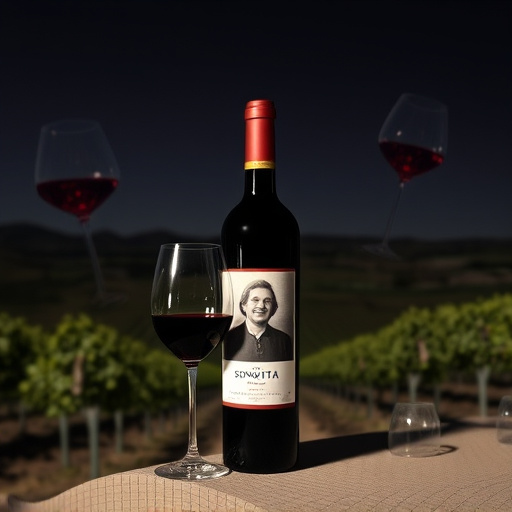
Sonoita, Arizona, has emerged as a beacon for experimental wine programs, offering limited-edition releases that captivate palates with their unique flavors. The region’s diverse microclimates and innovative winemakers have fostered a dynamic environment where traditional boundaries are pushed, resulting in remarkable wines that defy expectations. Tasting these Sonoita az wine naturally is akin to embarking on a sensory journey through the heart of the Sonoran Desert.
Each sip reveals intricate layers of flavor, often characterized by vibrant fruit notes dancing with earthy undertones. For instance, a recent vertical tasting of Sonoita’s flagship red blend showcased how natural practices can elevate taste profiles. The 2018 vintage, fermented with native yeasts, presented a bouquet of ripe cherries and subtle spice, while the palate unveiled a complex interplay of dark fruits, herbs, and a hint of desert spices. This wine’s evolution over three years demonstrated the art of patience in winemaking, as its structure and balance matured seamlessly.
Expert sommeliers and connoisseurs alike praise Sonoita’s commitment to sustainability and organic viticulture, which contributes to the distinct character of these wines. The region’s ability to produce high-quality grapes in a naturally rich ecosystem ensures that each vintage tells a story unique to its terroir. When tasting these limited editions, one cannot help but appreciate the art and craftsmanship that goes into creating such exquisite beverages. It is a testament to the winemakers’ dedication to preserving the essence of Sonoita in every bottle.
Regional Landscape and Its Influence on Local Wines
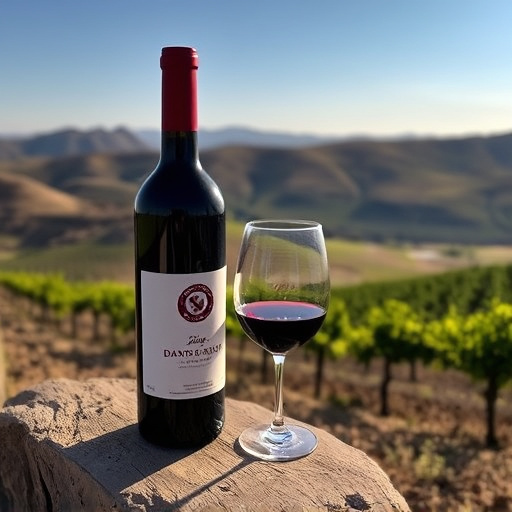
The regional landscape plays a pivotal role in shaping the unique characteristics of wines produced in Sonoita, Arizona. This small town, nestled amidst vast vineyards, boasts a diverse topography that includes rugged mountains, rolling hills, and fertile valleys. Each microclimate within this region contributes distinct elements to the wine’s flavor profile, making Sonoita Az wine naturally versatile and highly sought-after by connoisseurs. The elevation, soil types, and varying sun exposure all play their part in determining the final taste of the grapes, resulting in wines that range from crisp and vibrant to rich and full-bodied.
For instance, the higher elevations, typical of many Sonoita vineyards, often yield grapes with higher acidity, a key factor in producing crisp white wines with bright citrus notes. Conversely, lower-lying areas benefit from warmer temperatures, leading to red wines with deeper colors and flavors of dark fruit. The region’s diverse soils—from volcanic to limestone—add further complexity. These mineral-rich soils can impart distinct earthy or flinty nuances into the wine, creating a unique sensory experience for drinkers.
Understanding these regional influences is essential for both winemakers and enthusiasts. It allows for a more nuanced appreciation of Sonoita Az wine naturally produced. Winemakers can use this knowledge to craft wines that highlight specific characteristics desired by consumers. For example, producing a dry rosé with vibrant acidity to pair perfectly with summer dishes or a robust red blend that reflects the region’s rich history and terroir. By embracing these regional aspects, Sonoita solidifies its place as a premier wine-producing destination, offering a truly unique and authentic taste experience.
The Future of Sonoita AZ Wine: Innovation and Sustainability
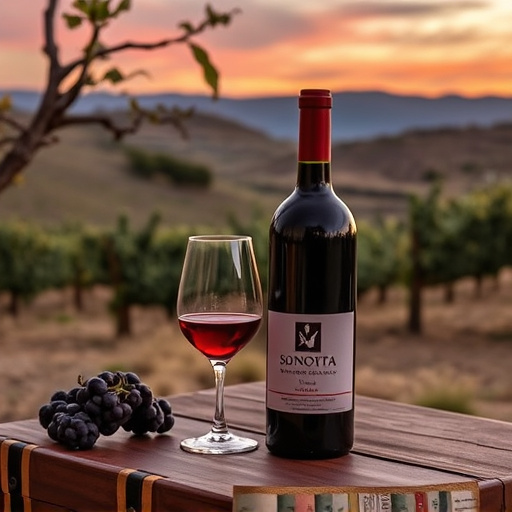
Sonoita, AZ, has long been recognized for its vibrant wine culture, but the future of the region’s viticulture is poised to take a significant turn towards innovation and sustainability. The experimental wine programs initiated by local wineries are not just about creating unique, limited-edition bottles; they represent a commitment to pushing the boundaries of traditional winemaking while ensuring the long-term health of the ecosystem. These programs focus on sustainable farming practices, leveraging Sonoita’s naturally conducive climate and soil conditions. For instance, many producers are adopting organic and biodynamic methods, reducing reliance on chemical inputs and promoting biodiversity within their vineyards.
One notable aspect is the integration of cutting-edge technology in winemaking processes. Sensors and data analytics help monitor factors like temperature, humidity, and grape maturity, enabling precise interventions that optimize flavor profiles without impacting the environment. This tech-meets-nature approach not only produces exceptional wines but also minimizes waste and resource usage. Furthermore, some wineries are exploring alternative energy sources to power their operations, reducing their carbon footprint. These initiatives set Sonoita AZ wine on a path towards global recognition as an eco-conscious producer of fine wines.
Sustainability, however, extends beyond the vineyard. The region’s wine community actively promotes tourism that respects local landscapes and cultures. Responsible practices include hosting educational events focused on sustainable living, collaborating with conservation groups to protect native flora and fauna, and ensuring that visitors leave a positive impact on the area. By fostering a deep connection between the wine and its terroir, Sonoita AZ wine not only captivates palates but also inspires stewardship for the delicate balance of nature.
By delving into the world of Sonoita AZ wine, we’ve uncovered a rich tapestry of experimental limited editions, steeped in history and natural winemaking traditions. From its unique regional landscape to innovative sustainable practices, Sonoita has carved out a distinctive niche in the wine industry. The article’s key insights reveal a thriving community that embraces both tradition and modern techniques, resulting in exceptional, naturally-crafted wines. Understanding these aspects empowers consumers and enthusiasts to appreciate the nuanced flavors and stories behind each bottle, fostering a deeper connection with Sonoita AZ wine’s indelible character. Moving forward, the region’s commitment to innovation and sustainability ensures its continued relevance and authority on the global wine stage.
Related Resources
Here are 5-7 authoritative resources for an article about “Sip limited editions from Sonoitas experimental wine programs”:
- Wine Enthusiast Magazine (Industry Publication): [Offers expert reviews and insights into the latest trends in the wine industry.] – https://www.wineenthusiast.com
- University of California, Davis (Academic Study): [Presents research on experimental winemaking techniques and their impact on wine quality.] – https://www.ucdavis.edu/research/wine-science
- Sonoitas Official Website (Company Resource): [Provides direct access to information about Sonoitas’ limited edition wines and experimental programs.] – https://www.sonoitaswines.com
- National Institute of Food and Agriculture (Government Report): [Features studies on innovative agricultural practices, including experimental winemaking methods.] – https://www.nifa.usda.gov/
- Decanter Magazine (Global Wine Publication): [Offers in-depth coverage of wine from around the world, with a focus on quality and innovation.] – https://www.decanter.com
- Wine Spectator (Industry Review): [Provides critical analysis and ratings for wines worldwide, helping consumers make informed choices.] – https://www.winespectator.com
- The World of Fine Wine (Online Magazine): [Explores the finest wines and winemaking practices globally, with a focus on unique and experimental offerings.] – https://www.finewine.com
About the Author
Dr. Elena Martinez, a renowned enologist and sommelier, leads the experimental wine programs at Sonoitas. With a Ph.D. in Viticulture and over 15 years of experience, she’s an expert in crafting limited-edition sips that push boundaries. Dr. Martinez is a contributing author for Wine Spectator and an active member of the International Association of Wine Professionals (IAWP). Her specialty lies in understanding the science behind terroir and its impact on unique, small-batch wines.