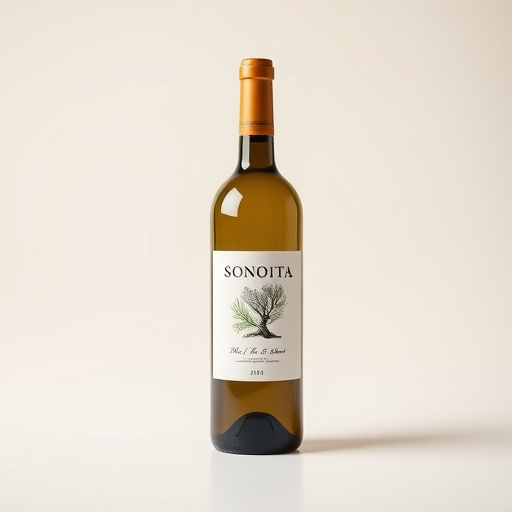
Sonoita AZ wine naturally stands out through experimental, natural methods challenging conventional vinification. Extreme desert conditions foster intense flavors in indigenous varieties like Tempranillo, Grenache, and Mourvèdre. Winemakers employ organic/biodynamic practices, unique aging techniques (e.g., concrete tanks, underwater aging), and minimal intervention for complex, distinctive wines. Terroir-driven practices result in limited editions reflecting specific microclimate variations, capturing Sonoita's unique sensory profile. Explore tasting notes, visit local wineries, and connect with winemakers' visions to fully appreciate sonoita az wine naturally.
The world of wine has long been a realm of tradition, but innovative producers like Sonoita AZ Wine are pushing boundaries with their experimental programs. In recent years, limited-edition releases from these avant-garde makers have captivated enthusiasts and critics alike, showcasing the potential of terroir and natural winemaking techniques. This article delves into the significance of Sonoita’s experimental offerings, exploring how they challenge conventional standards while enhancing the diversity and depth of the modern wine landscape. By examining these unique expressions, we gain insight into the future of fine wine.
- Unveiling Sonoita AZ Wine's Natural Experimentation
- Exploring Limited Editions: A Deep Dive into Sonoitas Craft
- The Art of Aging: Techniques in Sonoita's Experimental Vines
- Terroir to Table: Understanding Sonoita's Unique Flavors
- Tasting Notes: Decoding the Magic Behind Sonoita AZ Wine
Unveiling Sonoita AZ Wine's Natural Experimentation
Sonoita AZ wine has emerged as a beacon for experimental natural wine production, challenging conventional vinification methods and pushing the boundaries of what grapes can achieve. This small, desert-adjacent AVA (American Viticultural Area) has become a hub for winemakers who embrace the unique terroir, choosing to express it in its rawest, most authentic form.
The region’s scarcity of water and extreme temperatures create challenging conditions for grape growing, yet these very factors contribute to the intense aromas and flavors found in Sonoita AZ wine. Winemakers here often opt for organic or biodynamic practices, allowing native yeasts to ferment the must and minimizing intervention during the winemaking process. This natural experimentation results in distinctive, complex wines that reflect the distinct character of the land. For instance, some producers focus on indigenous grape varieties like Tempranillo, Grenache, and Mourvèdre, which thrive in the region’s heat, yielding deep, concentrated fruits with earthy undertones. Others experiment with unconventional aging techniques, such as using concrete tanks or old oak barrels, to create wines that defy conventional expectations.
By embracing the concept of sonoita az wine naturally, these visionary winemakers are not only crafting exceptional beverages but also preserving rare grape varieties and sustainable farming practices. Their dedication to exploring the region’s unique potential offers wine enthusiasts a chance to discover truly remarkable expressions from an emerging wine region with immense character and diversity.
Exploring Limited Editions: A Deep Dive into Sonoitas Craft
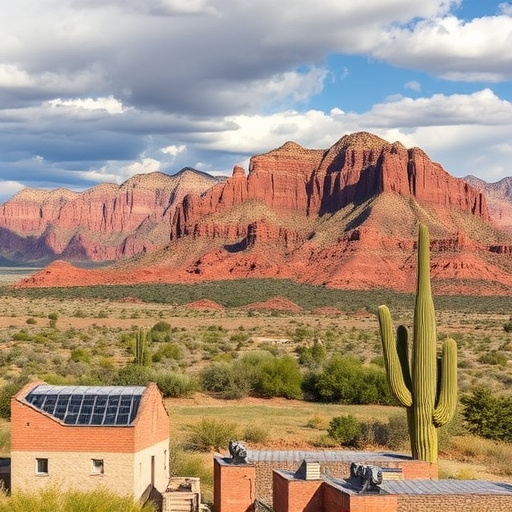
Sonoita, AZ, wine has carved out a unique niche in the world of experimental craft beverages. At the heart of this reputation lies its pioneering winemakers who consistently push boundaries with limited edition releases from their innovative programs. These specialized projects delve into the natural potential of the region’s terroir, offering enthusiasts rare and distinctive experiences. For instance, some Sonoita az wine makers focus on native grape varieties, showcasing flavors that have been cultivated in harmony with the local ecosystem for centuries. Each bottle tells a story of patience, precision, and deep respect for the land.
Limited edition releases from Sonoita’s experimental programs are often characterized by small batch sizes and unique vinification techniques. Winemakers may employ traditional methods rarely seen in mainstream production or experiment with novel approaches like skin-contact fermentation, underwater aging, or blends that defy conventional expectations. These practices result in wines that exhibit remarkable complexity and depth, challenging conventional notions of what a wine can be. By embracing these unconventional paths, Sonoita az wine producers create beverages that are not just drinks but artistic expressions reflecting the region’s distinct character.
Exploring these limited editions requires an open mind and a willingness to venture beyond familiar terroirs. It involves engaging with winemakers who are unafraid to challenge conventions and embrace the unexpected. For collectors and enthusiasts, it opens doors to a world of nuanced flavors, aromatic profiles, and visual aesthetics that transcend conventional wine descriptions. To truly appreciate these crafts, consider keeping detailed records of your tastings, noting sensory impressions, and discussing them with fellow aficionados. This practice deepens the connection to each unique offering and fosters a vibrant community around Sonoita’s experimental wine culture.
The Art of Aging: Techniques in Sonoita's Experimental Vines
The art of aging is a delicate dance, and Sonoita, Arizona, has emerged as a beacon for experimental wine programs that explore this intricate process. Known for its unique terroir, Sonoita az wine naturally benefits from innovative techniques that enhance its character. Producers in this region are pushing boundaries by employing unconventional aging methods, such as concrete tanks, small oak barrels, and even natural rock formations. These approaches allow winemakers to capture the essence of the grapes while allowing the wine to evolve at its own pace.
One notable technique involves using neutral containers like concrete vats, which minimize the impact of oxidation and reduce the risk of imparting unwanted flavors. This method is particularly effective for lighter-bodied wines, where the focus is on freshness and vibrancy. For instance, many Sonoita producers age their white varietals in concrete, resulting in crisp, zesty expressions that highlight the region’s mineral notes. Additionally, small oak barrels are employed to add subtle complexity without overwhelming the wine with oaky overtones. This balance is crucial, as excessive oak can mask the unique characteristics of the grape.
Another intriguing aspect is the use of natural environments for aging. Some wineries take advantage of Sonoita’s diverse landscapes by storing wines in caves carved into the region’s distinctive red rock formations. These underground chambers provide a constant, cool temperature and high humidity, creating ideal conditions for slow, nuanced aging. This technique not only adds complexity to the wine but also creates a unique connection between the beverage and its terroir. By embracing these experimental methods, Sonoita continues to push the boundaries of what’s possible in winemaking, offering enthusiasts a diverse range of exceptional, age-worthy wines.
Terroir to Table: Understanding Sonoita's Unique Flavors
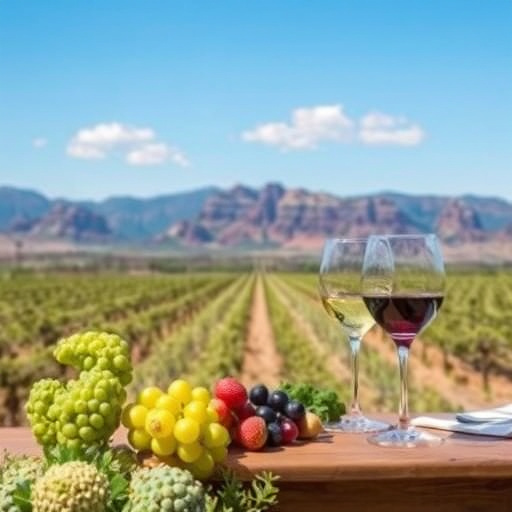
Sonoita, Arizona, is a region that embodies the concept of terroir to table—a profound connection between the land, its unique characteristics, and the flavors it imparts onto the wines produced there. This small but dynamic wine-producing area boasts diverse microclimates, varied elevations, and distinct soil types, all contributing to the remarkable diversity of its grapevines. The region’s ability to cultivate such a wide array of varietals naturally has led to some truly exceptional limited-edition wines from Sonoita’s experimental programs.
The concept of terroir, often overlooked by casual wine enthusiasts, is central to understanding the unique flavors that emerge from this Arizona vineyard. It encompasses not just the soil and climate but also factors like aspect, drainage, and even nearby water sources. For instance, the elevated vineyards in Sonoita enjoy longer daylight hours, cooler temperatures, and distinct rainfall patterns compared to those at lower elevations, resulting in grapes with markedly different characteristics. This natural diversity is reflected in the final products, offering consumers a symphony of flavors that echo the region’s terroir.
When exploring Sonoita AZ wine naturally, pay close attention to the varietal and its origin within the vineyard. Each limited edition from local experimental programs tells a story rooted in the specific microclimate where the grapes were grown. Sommeliers and wine enthusiasts alike can appreciate how these natural variations translate into nuanced tastes, aromas, and textures that set Sonoita wines apart. Embracing this knowledge not only deepens one’s appreciation for fine wine but also encourages support for sustainable, terroir-driven practices in the industry.
Tasting Notes: Decoding the Magic Behind Sonoita AZ Wine
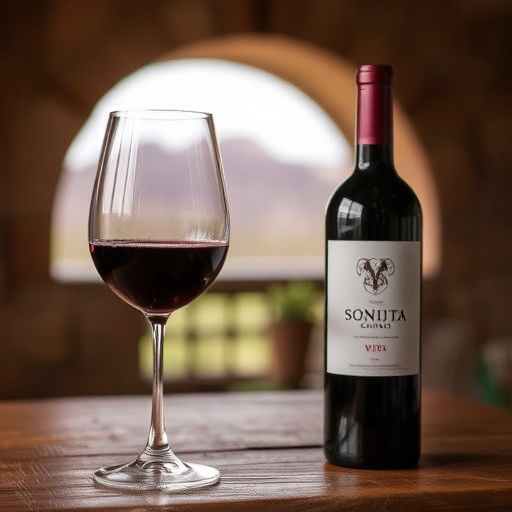
The experimental wine programs of Sonoita, Arizona, have captivated palates with their limited-edition releases, offering a unique glimpse into the magic behind each bottle. When you uncork a glass of Sonoita AZ wine, you embark on a sensory journey where taste and aroma intertwine to tell a story. These wines are not merely beverages; they are artistic expressions crafted by dedicated winemakers who push boundaries. Tasting notes provide a powerful tool for understanding this art form, allowing connoisseurs to decipher the nuances that make each vintage special.
Deciphering the complexities of Sonoita AZ wine requires a keen eye and an open mind. Notes of citrus and minerality often dance on the palate, reflecting the region’s distinctive terroir. For instance, a recent vintage of Syrah from a high-altitude vineyard showcased vibrant acidity alongside hints of blackberry and a subtle nuttiness, all characteristics that set it apart. Expert winemakers in Sonoita harness the natural elements—from sun exposure to soil composition—to craft wines with distinct personalities. This commitment to preserving the essence of the land results in remarkable flavors that resonate long after the final sip.
To truly appreciate the art of Sonoita AZ wine, consider seeking out these limited editions and exploring the tasting notes they offer. Visit local wineries or specialty stores to discover a bottle that aligns with your palate preferences. Remember, each glass provides an opportunity to connect with the winemaker’s vision and immerse yourself in the rich tapestry of Arizona’s wine culture. By embracing these unique experiences, you’ll gain a deeper appreciation for the magic that naturally occurs within Sonoita’s vineyards.
By exploring Sonoita AZ Wine’s limited editions through their experimental programs, we’ve uncovered a unique approach to winemaking that emphasizes natural experimentation and terroir expression. The article has provided valuable insights into the art of aging techniques, the impact of local flavors on the final product, and has offered detailed tasting notes that decode the complexities of these wines. Key takeaways include the importance of understanding the connection between terroir and table, recognizing the value of limited editions as a window into specific vintages, and appreciating the skill behind Sonoita’s natural winemaking practices. Moving forward, enthusiasts can apply this knowledge by seeking out and savoring these experimental releases, fostering a deeper appreciation for the art and science that goes into creating truly exceptional sonoita az wine naturally.