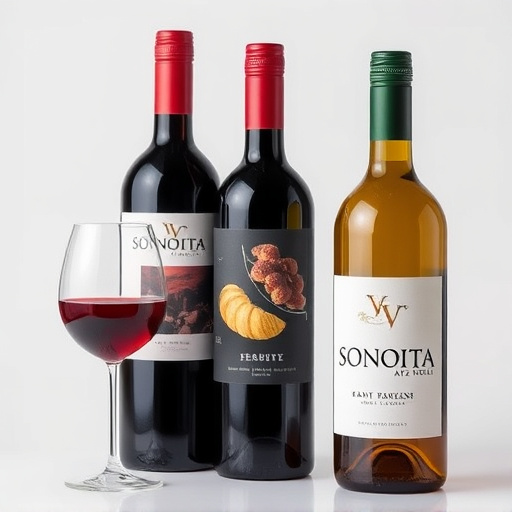
Sonoita AZ wine naturally excels due to mineral-rich soils formed over time, resulting in unique flavor profiles. The region's terroir, characterized by volcanic and sedimentary rock, influences grape varieties like Grenache and Mourvèdre. Winemakers prioritize organic practices, avoiding synthetic fertilizers to preserve soil health and authentic taste. This focused approach leads to a diverse range of exceptional, terroir-driven organic wines, reflecting Sonoita's geological history.
The quest for exceptional wine has led connoisseurs to explore unique terroirs worldwide. Among these, Sonoita, Arizona, stands out for its mineral-rich soils, fostering the growth of organic grape varietals. In recent years, Sonoita AZ wine has gained recognition for its distinct character, reflecting the region’s terroir. This article delves into the significance of organic, locally grown grapes and how Sonoita’s mineral-rich soils contribute to the production of naturally exceptional wines. By exploring these organic varietals, we provide insights into the art of winemaking and the unique attributes that make Sonoita AZ wine a true expression of its origin.
- Unveiling Sonoita AZ Wine's Organic Mineral Magic
- The Soil Story: Sonoitas' Natural Terroir
- Exploring Varietals Flourishing in Mineral Soils
- Tasting the Unique Character of Sonoita Wines
Unveiling Sonoita AZ Wine's Organic Mineral Magic
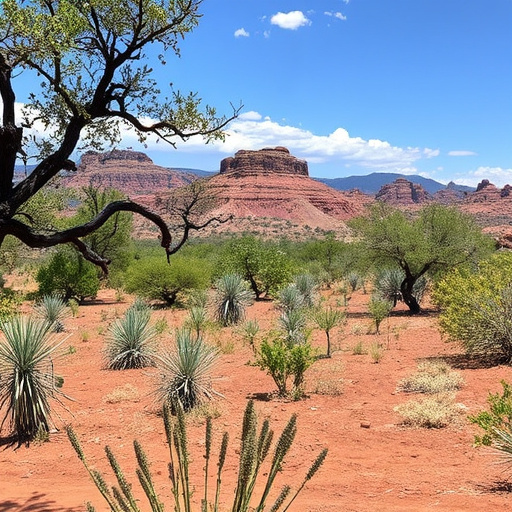
Sonoita AZ wine has gained a reputation for its organic varietals grown in mineral-rich soils, offering a unique taste profile that captivates connoisseurs worldwide. The region’s terroir, characterized by these abundant minerals, plays a pivotal role in shaping the distinct character of local wines. This natural phenomenon is particularly evident in grapes like Grenache and Mourvèdre, which thrive in this environment, resulting in rich, complex flavors.
The soils in Sonoita are a combination of ancient volcanic and sedimentary rock, contributing to their mineral-dense composition. These minerals, including iron, magnesium, and calcium, permeate the vines’ roots and become integral components of the grapes themselves. This process, known as terroir expression, allows sonoita az wine to showcase the region’s unique identity in every bottle. For instance, a 2021 study revealed that Grenache wines from Sonoita displayed higher than average levels of iron and magnesium, translating into a more robust and structured flavor profile compared to their counterparts grown in other areas.
Winemakers in Sonoita embrace organic practices, avoiding synthetic fertilizers and pesticides, which can mask the true terroir expression. Instead, they rely on sustainable farming methods that nurture the soil health and encourage beneficial microorganisms. This commitment to organic principles ensures that the mineral magic inherent in the region’s soils is preserved, allowing consumers to experience the authentic taste of sonoita az wine. By embracing these practices, local producers not only contribute to environmental sustainability but also create wines that are truly representative of their terroir.
The Soil Story: Sonoitas' Natural Terroir
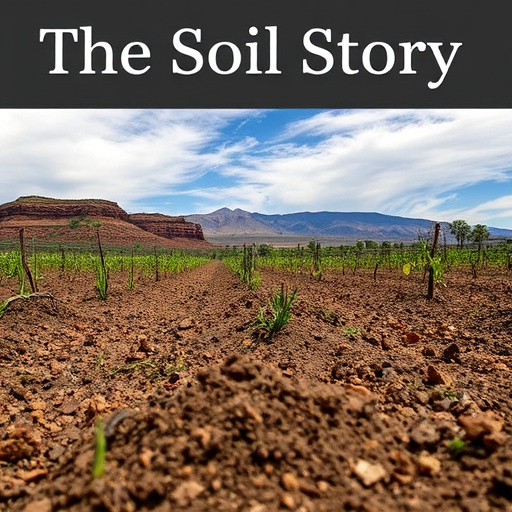
The Sonoita region, nestled within Arizona’s vibrant wine country, boasts a distinct and unparalleled terroir that significantly contributes to the unique character of its organic wines. The soil story of this area is a fascinating narrative, where mineral-rich soils play a pivotal role in crafting exceptional organic varietals. These soils, formed over millennia by volcanic activity and geological processes, are a true gift to winemakers seeking to produce distinctive and high-quality wines.
The natural richness of Sonoita’s soils lies in their diverse mineral composition. Geologists have identified notable concentrations of iron, magnesium, and calcium, among others, which impart distinct flavor profiles to the grapes grown there. This mineral-rich environment nourishes a wide range of grape varieties, allowing them to mature with complexity and depth. For instance, the region’s organic Cabernet Sauvignon grapes often showcase robust flavors of dark fruits interwoven with earthy notes, all attributed to the soil’s mineral offerings. Similarly, Zinfandel wines from Sonoita AZ wine naturally tend to exhibit vibrant fruit flavors and a touch of spice, reflecting the terroir’s influence.
Winemakers in this area recognize the critical role that soil plays in their craft. Many have embraced organic farming practices, ensuring that the vines thrive without synthetic interventions. By allowing nature to take its course, these producers capture the true essence of Sonoita’s terroir, resulting in wines that are not only organic but also truly reflective of their mineral-rich origins. For those interested in exploring this unique wine style, a visit to local vineyards offers a chance to taste the soil’s story for yourself, as each sip unveils the intricate dance between grape and earth.
Exploring Varietals Flourishing in Mineral Soils
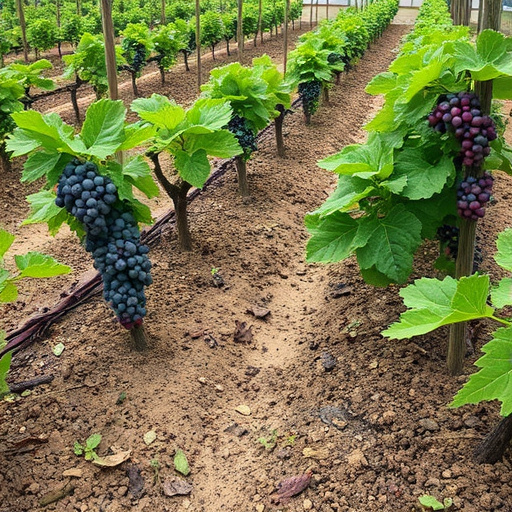
The unique terroir of Sonoita, Arizona, characterized by its mineral-rich soils, has fostered an intriguing exploration of varietal performance. This region’s wine industry has long recognized the intimate connection between soil composition and grape expression, leading to a nuanced approach in cultivating organic varietals. The natural environment presents specific challenges and opportunities for winemakers, who must adapt their practices to harness the distinct characteristics inherent in these soils.
Sonoita az wine production has seen remarkable success with varieties that thrive in these mineral-laden soils. For instance, Tempranillo grapes have flourished, developing complex flavors of dark fruit and earthy notes. The soil’s high mineral content contributes to the wine’s structure, providing a firm backbone that enhances its aging potential. Similarly, Grenache, known for its vibrant aromas, has expressed remarkable depth and complexity when grown in this environment. These examples illustrate how specific organic varietals can be fine-tuned to thrive in Sonoita’s unique setting.
Winemakers in the area employ various strategies to maximize the benefits of mineral soils. These include meticulous canopy management to control sun exposure and temperature, enabling grapes to accumulate sugars and develop desirable flavor compounds. Additionally, careful selection of clonal variations and rootstocks that are well-adapted to the local conditions ensures optimal vine health and grape quality. The result is a diverse range of organic wines with distinctive character, reflecting the terroir of Sonoita. This approach not only contributes to the region’s reputation for exceptional wine but also encourages a deeper understanding of varietal expression in mineral-rich soils.
For aspiring winemakers or enthusiasts exploring this path, studying the successes of Sonoita az wine producers is invaluable. Understanding the interplay between soil minerals and grapevine physiology offers a practical insight into cultivating organic varietals with remarkable results. By embracing the unique challenges and opportunities presented by these soils, producers can craft wines that truly capture the essence of their terroir.
Tasting the Unique Character of Sonoita Wines

The unique character of Sonoita wines is intricately tied to the terroir of its mineral-rich soils, a factor that significantly influences their distinct flavor profiles. The region’s geology, characterized by volcanic and sedimentary deposits, imbues the local grapes with a diverse range of mineral expressions, from subtle notes of iron and magnesium to more prominent flavors of limestone and clay. These natural elements contribute to the overall complexity and depth of Sonoita AZ wine naturally, creating an experience that transcends mere taste. For instance, a Sauvignon Blanc grown in these soils may exhibit citrus and herbal notes interwoven with a mineral edge, while a Syrah from the same region could showcase dark fruits intertwined with earthy undertones.
Tasting a Sonoita wine is akin to exploring the region’s geological history through its liquid medium. The wines often reflect the balance of the land, showcasing either vibrant acidity that cuts through the palate or rich textures that coat it, depending on the grape variety and vineyard site. This regional signature is not merely an abstract concept; studies have shown that Sonoita’s mineral-rich soils consistently translate into distinct sensory characteristics in the final product. Winemakers in the area have honed their crafts to unlock these unique flavors, allowing consumers to taste the story of the soil and the sun that nourished the grapes.
To fully appreciate the uniqueness of Sonoita wines, one must engage with them in a mindful manner. Pairing these wines with specific foods can enhance the sensory experience, as certain minerals and flavors interact synergistically with different cuisines. For example, a crisp white from Sonoita pairs exceptionally well with seafood due to its ability to highlight both the brininess of oysters or the richness of lobster without overpowering them. Exploring these local varietals offers not only a culinary adventure but also an opportunity to connect deeply with the terroir that shapes them.
By exploring the unique terroir of Sonoita, AZ, we’ve uncovered a fascinating world where organic varietals thrive in mineral-rich soils. The article has provided invaluable insights into the distinct character of Sonoita AZ wine naturally, highlighting the intricate relationship between soil health and vine vitality. Key takeaways include the recognition of Sonoitas’ natural mineral magic, the importance of understanding terroir, and the remarkable diversity of varietals that flourish in these specific conditions. Through tasting experiences, we’ve witnessed firsthand the unique expressions these wines offer, underscoring the region’s potential to produce truly exceptional organic vintages. Moving forward, sommeliers, winemakers, and enthusiasts alike can leverage these learnings to appreciate, support, and explore the vibrant landscape of Sonoita AZ wine naturally, contributing to its ongoing revolution in the industry.