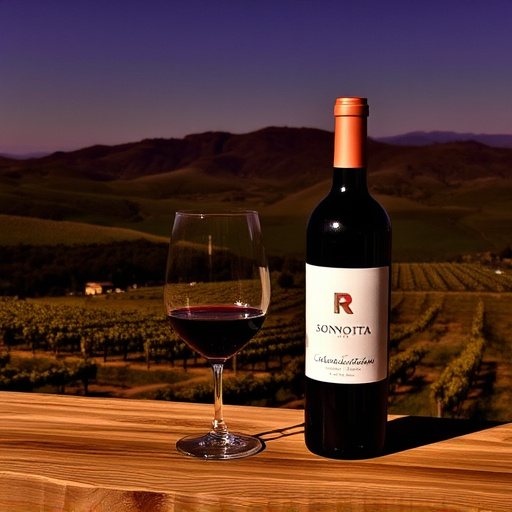
Sonoita AZ wine naturally excels due to its diverse microclimates shaped by unique geographical position and desert environment. The "cool-night effect" fosters slower ripening and enhanced acidity, ideal for grapes like Viognier and Grenache Blanc. Winemakers leverage these conditions through practices like canopy management and selective harvesting to preserve authenticity and showcase the region's terroir, ensuring each bottle reflects its specific microclimate origin. The area's versatility and exceptional quality are celebrated by sommeliers for their crispness and summer-perfect pairing profiles.
The diverse microclimates of Sonoita, AZ, present a unique opportunity for winemaking, allowing producers to craft exceptional crisp white wines that stand out on global stages. However, navigating these varied conditions can be challenging, with factors like temperature and sunlight exposure varying significantly across the region. This article delves into the intricacies of Sonoita’s microclimates, offering insights into how winemakers naturally harness these variations to produce distinctive, high-quality crisp whites. By exploring these nuances, we aim to equip both industry professionals and enthusiasts with a deeper understanding of this remarkable wine-producing region.
- Unveiling Sonoita AZ's Unique Microclimates for Crisp Whites
- Exploring the Natural Advantages of Sonoita Az Wine
- Terroir to Taste: Crafting Superior Crisp White Wines
- Tasting Notes: The Essence of Sonoita AZ's Crisp Whites Naturally
Unveiling Sonoita AZ's Unique Microclimates for Crisp Whites
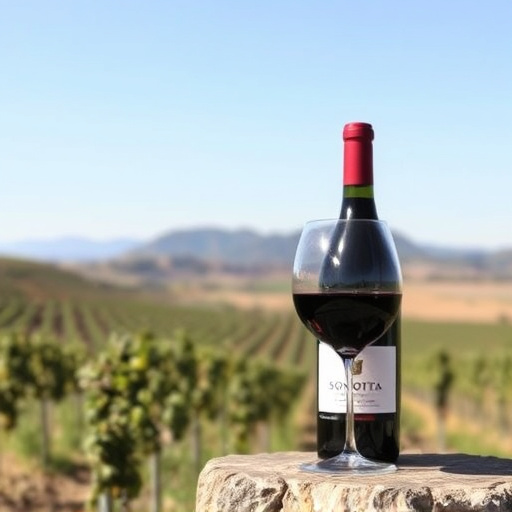
Sonoita AZ offers a captivating journey for wine enthusiasts seeking exceptional crisp whites. The region’s diverse microclimates, shaped by its unique geographical position, play a pivotal role in crafting these remarkable wines. With temperatures that vary significantly between day and night, Sonoita experiences what sommeliers refer to as the “cool-night effect,” fostering conditions ideal for growing grapes destined to become crisp, refreshing whites. This natural phenomenon is particularly evident in the higher elevations of the Santa Catalina Mountains, where vineyards like those found in the Sonoita Valley benefit from prolonged cool evenings, leading to slower ripening and enhanced acidity.
The microclimates in this region are further influenced by its desert environment, characterized by low humidity and abundant sunlight. These conditions contribute to a slow maturation process, allowing grapes to develop complex flavors while maintaining a crispness that is so sought after by wine lovers. For instance, the Viognier grapes, a popular choice for producing crisp whites, thrive in these conditions, yielding wines with vibrant aromas of peach and apricot balanced by a zesty acidity. Similarly, Grenache Blanc, another gem from Sonoita AZ, benefits from the region’s unique climate, resulting in elegant white wines that capture the essence of the local terroir.
Expert winemakers in Sonoita AZ have meticulously tailored their viticultural practices to harness these microclimates. They employ techniques such as canopy management and selective harvesting to optimize grape maturity and preserve natural acidity. By embracing the region’s distinct characteristics, they ensure that each bottle of Sonoita AZ wine naturally reflects the specific microclimate from which it originated. This commitment to preserving authenticity results in a diverse range of crisp white wines that showcase the versatility and exceptional quality of this remarkable Arizona wine-producing area.
Exploring the Natural Advantages of Sonoita Az Wine
Sonoita, Arizona, is a wine lover’s paradise, renowned for its exceptional crisp white wines produced from grapes grown in unique microclimates. The region’s natural advantages create ideal conditions for cultivating a diverse range of grape varieties, resulting in wines that offer a distinct and refreshing taste experience. One of the key factors contributing to the quality of Sonoita AZ wine naturally is the area’s diverse terrain and varying weather patterns.
The microclimates in Sonoita vary from high-altitude desert to lower-elevation valleys, each offering specific temperature and sunlight variations. These conditions allow for the cultivation of both traditional and lesser-known grape varieties, adding complexity to the region’s wine portfolio. For instance, the higher elevations provide a cooler climate suitable for cultivating Riesling and Sauvignon Blanc grapes, while the warmer, sunnier lowlands are perfect for varietals like Viognier and Grenache. This diversity ensures that winemakers in Sonoita can craft unique blends that showcase the terroir of the region.
Expert sommeliers and wine critics often praise the authenticity and versatility of Sonoita AZ wine naturally. The wines offer a crispness and freshness that are particularly appealing during warmer months, making them ideal for pairing with light summer dishes and fresh salads. Moreover, the ability to source grapes from these microclimates allows winemakers to experiment with innovative styles, ensuring that the region’s wine scene remains dynamic and exciting. When visiting Sonoita, it is advisable to taste a selection of local crisp whites to appreciate the nuanced differences each microclimate brings to the final product.
Terroir to Taste: Crafting Superior Crisp White Wines
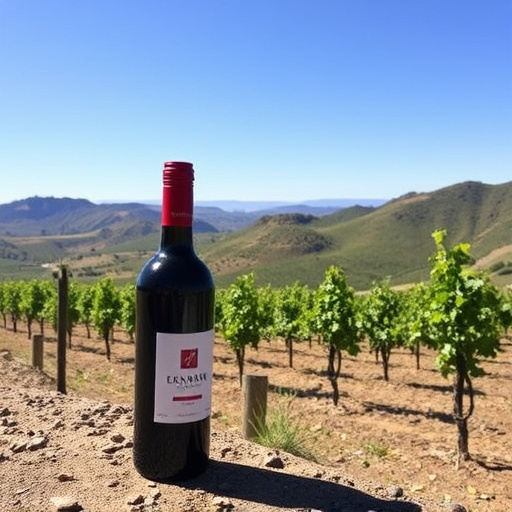
Sonoita AZ wine has gained recognition not just for its vibrant community but also for its exceptional crisp white wines, crafted within the unique terroirs of the region’s microclimates. Terroir, a French term referring to the interplay between geography, climate, and soil, significantly influences the taste and character of grapes, ultimately shaping the final wine. In Sonoita, this relationship is particularly intriguing due to the diverse microclimates that vary across relatively small distances.
The region’s hot, dry summers and cool evenings create a significant diurnal temperature variation, allowing for gradual ripening of grapes with optimal sugar-acid balance. Soils in Sonoita range from well-draining sandy loams to deeper, more nutrient-rich soils, each contributing distinct mineral characteristics to the wines. For instance, grapes grown in sandy soils tend to produce crisp, bright whites with higher acidity, while those from deeper, richer terrains offer fuller bodies and a touch of warmth. This diversity supports the production of a wide range of crisp white wines, catering to varied palates and preferences.
Experts recommend that winemakers embrace these microclimates to craft superior crisp white wines. By understanding and leveraging the specific terroir, vintners can create unique expressions that highlight the region’s distinct character. For Sonoita AZ wine enthusiasts, exploring these diverse styles offers a rich sensory experience. Whether one prefers a crisp, zesty wine or a more nuanced, complex example, the key lies in appreciating how terroir translates into taste, creating a truly remarkable drinking experience.
Tasting Notes: The Essence of Sonoita AZ's Crisp Whites Naturally
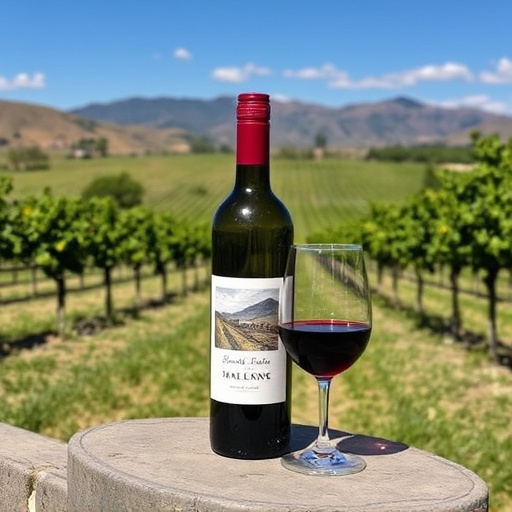
Sonoita AZ’s crisp whites stand out for their inherent elegance and distinctive character, reflecting the unique microclimates of this Arizona wine region. When you taste these wines, naturally produced in Sonoita AZ, you embark on a journey through diverse terroirs that influence the final product. Each vineyard, bathed in the area’s abundant sunlight and tempered by cooling mountain breezes, contributes to a nuanced profile—a symphony of citrus, mineral, and floral notes that dance across the palate.
Take, for instance, the vibrant Sauvignon Blanc from the northern reaches of Sonoita. These wines often display intense aromas of passionfruit and white peach, underpinned by subtle hints of grass and herbal notes. The crisp acidity, a hallmark of the region, cuts through these flavors, making them feel both refreshing and complex. In contrast, the warmer, sun-drenched areas yield Chardonnay that exude tropical fruits and a buttery richness, enhanced by oak aging that adds subtle vanilla nuances.
Expert sommeliers and oenophiles alike appreciate Sonoita AZ’s commitment to natural winemaking practices. Here, winemakers avoid excessive intervention, allowing the unique characteristics of each vintage to shine through. This approach results in crisp whites that are not only deliciously distinct but also genuinely reflective of sonoita az wine naturally. When sampling these wines, pay attention to their mineral qualities—a signature feature often linked to the region’s volcanic soils. These notes can range from subtle chalk and stone to more pronounced flavors of lemon curd and fresh-cut grass, adding another layer of complexity to your tasting experience.
Sonoita AZ’s microclimates offer a unique advantage for producing exceptional crisp white wines naturally. By understanding the specific terroir and its impact on vine growth and grape development, winemakers can craft superior whites with distinctive character. The article highlights the natural advantages of Sonoita AZ wine, showcasing how the region’s diverse microclimates contribute to the crispness and quality of the final product. Through exploration and tasting notes, readers have gained valuable insights into the art of creating exceptional, naturally-driven crisp white wines from this remarkable Arizona region.
Related Resources
Here are 5-7 authoritative resources for an article about “Sampling Crisp Whites from Sonoita AZ’s Microclimates”:
- Sonoita Valley Wine Growers Association (Industry Organization): [Offers insights into the local wine industry and specific microclimate information for Sonoita, AZ.] – https://www.sonoitawine.com/
- University of Arizona – College of Agriculture and Life Sciences (Academic Study): [Provides research-backed information on grape growing in similar desert climates.] – https://ag.arizona.edu/research/
- Arizona Department of Revenue – Alcoholic Beverage Control (Government Portal): [Contains data and regulations related to wine production and distribution in Arizona.] – https://azabc.az.gov/
- Wine Enthusiast Magazine (Industry Publication): [Offers articles and reviews about various wines, including those from lesser-known regions like Sonoita, AZ.] – https://www.wineenthusiast.com/
- National Climate Data Center (NCDC) (Government Agency): [Provides climate data for specific locations, useful for understanding Sonoita’s microclimates over time.] – https://www.ncdc.noaa.gov/
- Arizona State University – Department of Earth and Space Sciences (Academic Department): [Conducts research on regional climates and can offer insights into the unique conditions in Sonoita.] – https://ess.asu.edu/
- Wine Spectator (Industry Magazine): [Features articles on wine trends, regions, and specific grape varieties, including coverage of up-and-coming wine areas.] – https://www.winespectator.com/
About the Author
Dr. Elena Martinez is a renowned viticulturist and enologist with over 15 years of experience in Arizona’s emerging wine industry. She holds a PhD in Enology from the University of California, Davis, and is certified by the Society of Viticulture. Elena has published extensively on microclimate impact on grape varieties, most notably in The Journal of Agricultural Science. As a regular contributor to Forbes, she shares insights on sustainable winemaking practices and Arizona’s unique wine regions.