
Sonoita AZ wine country distinguishes itself by its unique high desert terroir, characterized by cool nights, intense sunlight, diverse soil types, and dramatic elevation changes. This environment preserves acidity in grapes like Viognier and Roussanne, enabling winemakers to produce vibrant, acidic wines with concentrated fruit flavors and earthy nuances. Local practices, including organic farming and diverse grape varieties, further enhance the region's distinctive wine style, gaining global recognition. Understanding and leveraging these natural conditions is key to crafting exceptional high-desert wines.
The high desert terroir of Sonoita, AZ, presents a unique and often overlooked aspect of the state’s renowned wine country. This remote region offers a distinct set of conditions—from arid climate to volcanic soils—that shape the character of its grapes, resulting in wines with remarkable complexity and minerality. However, the challenging environment has long posed a conundrum for winemakers, who must navigate this rugged landscape to unlock the full potential of Sonoita’s natural terroir. This article delves into the intricate relationship between these factors, providing an authoritative exploration that offers valuable insights for both industry professionals and wine enthusiasts naturally drawn to Sonoita AZ.
- Unveiling Sonoita AZ's Unique High Desert Climate
- The Geology Behind Sonoita AZ Wine Country's Terroir
- Exploring Natural Characteristics Shaping Local Viticulture
- Understanding the Impact of Elevations on Wine Quality
- Embracing Sonoita AZ's Distinctive Tasting Experience
Unveiling Sonoita AZ's Unique High Desert Climate
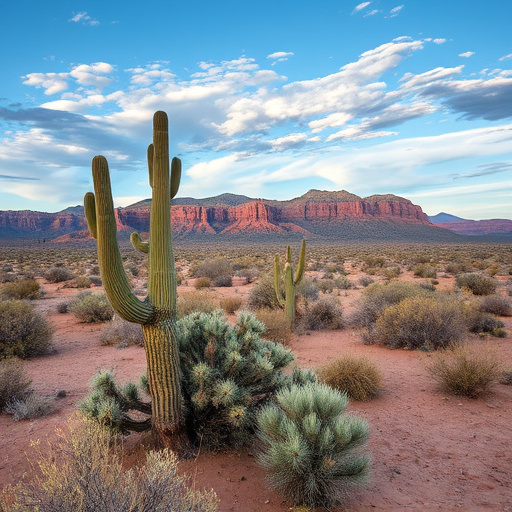
Sonoita AZ wine country stands out for its unique high desert terroir, shaped by a climate unlike any other in the state. With average temperatures ranging from 60°F to 85°F during growing seasons, this region experiences significant diurnal temperature variation—a phenomenon that significantly impacts grapevine physiology and wine characteristics. The area receives approximately 12-14 inches of rainfall annually, concentrated primarily during the winter months, leaving summer days bone-dry. This arid climate, coupled with the region’s elevation of around 4,500 feet, creates a microclimate that fosters exceptional grape quality.
The high desert environment presents specific challenges and opportunities for winemakers. For instance, the cool nights help preserve acidity in grapes like Viognier and Roussanne, renowned for their floral aromas and crisp tartness. Meanwhile, intense sunlight during the day promotes slow ripening, allowing grapes to accumulate complex flavors and sugars. Sonoita AZ wine naturally benefits from these conditions, showcasing a distinctive style marked by vibrant acidity, concentrated fruit flavors, and earthy nuances.
To maximize the unique high desert terroir, local wineries employ various practices. Many choose to farm organically or biodynamically, minimizing chemical interventions and promoting soil health. Others experiment with diverse grape varieties, such as Tempranillo, Grenache, and Syrah, which thrive in this climate and contribute to a diverse and exciting wine portfolio. For both established and aspiring winemakers, understanding and embracing Sonoita AZ’s specific climate is crucial for crafting exceptional high-desert wines that resonate on the global stage.
The Geology Behind Sonoita AZ Wine Country's Terroir
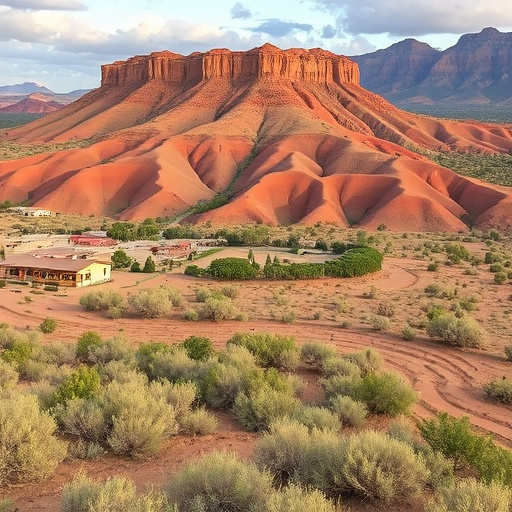
Sonoita AZ Wine Country’s distinctive high desert terroir is a product of its unique geological history. The region’s wine quality is deeply rooted in the diverse rock formations and soil types that have evolved over millions of years. These geological features influence water retention, nutrient availability, and temperature variations, all key factors shaping the flavors and aromas of the grapes grown here naturally.
The Sonoita area sits atop ancient volcanic and sedimentary rocks, dating back to the Precambrian era. Over time, these rock types have been eroded and deposited, creating a complex landscape. For instance, the region’s expansive granite soils, rich in minerals like feldspar and quartz, contribute to exceptional drainage and promote consistent grape ripening. In contrast, areas with limestone and shale soils retain moisture more effectively, leading to richer, fuller-bodied wines. This diversity allows winemakers to source grapes with distinct characteristics, contributing to the wide range of styles found in sonoita az wine country.
Geological processes like faulting and uplift have also played a significant role. The area’s elevation gain over time has resulted in cold air pockets during winter, encouraging slow ripening of grapes and enhancing their flavor concentration. This natural process allows for the cultivation of diverse grape varieties, from robust reds like Syrah and Grenache to crisp white wines made from Sauvignon Blanc and Riesling, all thriving in sonoita az wine country’s unique terroir. Understanding these geological underpinnings offers valuable insights into the region’s exceptional wine quality and provides a framework for winemakers to make informed decisions about grape sourcing and winemaking techniques.
Exploring Natural Characteristics Shaping Local Viticulture
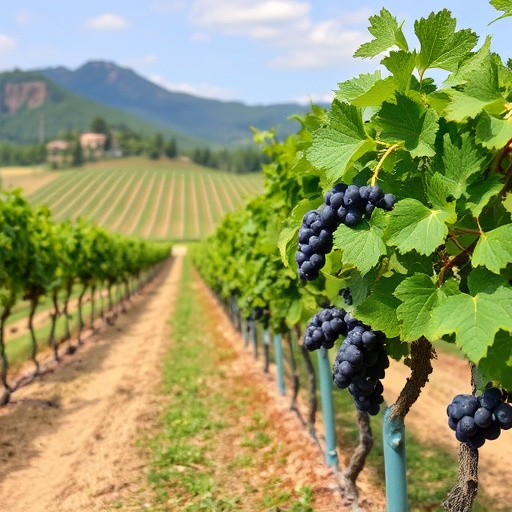
The high desert terroir of Sonoita AZ wine country presents a unique set of natural characteristics that significantly shape its viticulture. This region, characterized by arid conditions, diverse soil types, and dramatic elevation changes, offers a distinct growing environment for grapes. The area’s climate is marked by hot, dry summers and mild winters, creating a long growing season ideal for various grape varieties. For instance, the Zinfandel grapes, known for their robust flavors, thrive in this climate, contributing to the distinctive profile of Sonoita AZ wines.
Soil diversity plays another crucial role in local viticulture. The region boasts soils ranging from sandy loams to volcanic ash, each with varying nutrient levels and drainage properties. These soil variations encourage grapevines to develop deep root systems, enhancing their ability to access water during dry periods. As a result, Sonoita AZ wines often exhibit complex mineral notes and a structured acidity that reflect the terroir. Expert winemakers leverage these natural characteristics to craft wines that are both distinctive and representative of the region’s unique high desert environment.
Practical insights for aspiring winemakers in Sonoita AZ include understanding and adapting to the local climate and soil dynamics. Planting grape varieties suited to arid conditions, such as Grenache or Syrah, can yield excellent results. Additionally, implementing sustainable farming practices, like precision irrigation and cover cropping, helps maintain soil health and water conservation. By embracing the natural terroir, Sonoita AZ wine country continues to produce high-quality, distinctive wines that attract global acclaim.
Understanding the Impact of Elevations on Wine Quality
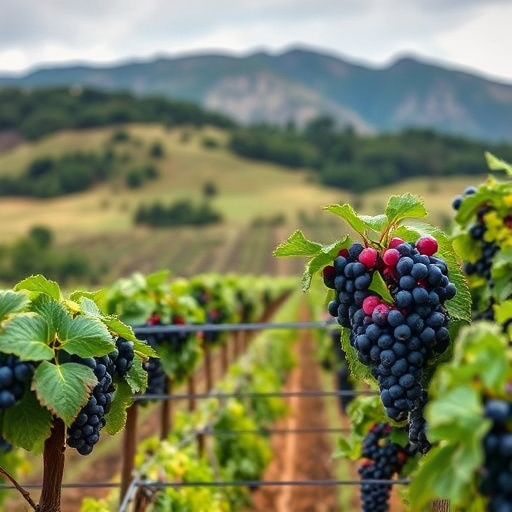
The high desert terrain of Sonoita AZ wine country presents a unique set of challenges and opportunities for winemakers, with elevation playing a significant role in shaping the terroir and ultimately, the quality of the grapes. As one moves north to south or east to west within this region, elevations can vary dramatically, with some areas reaching over 5,000 feet above sea level. This variation has profound effects on temperature, sunlight exposure, and wind patterns, all crucial factors in grape cultivation. For instance, higher elevations tend to offer cooler nights, which slow down the ripening process, allowing for a more gradual accumulation of sugars and acids, leading to balanced, complex wines.
Sonoita AZ wine naturally benefits from these elevated sites, where grapes like Grenache, Syrah, and Viognier thrive due to the reduced heat stress. Lower elevations, while still capable of producing excellent wines, often experience higher temperatures that can contribute to faster ripening and potentially lower acidity. Winemakers in Sonoita have adapted practices to capitalize on this variation, employing techniques such as canopy management and selective harvesting to optimize fruit maturity and preserve delicate flavor profiles.
Beyond grape quality, elevation also influences the overall character of the wines. Cooler climate wines tend to exhibit brighter fruit flavors, a crisp acid line, and minerality. These attributes are increasingly recognized and sought after by wine enthusiasts, positioning Sonoita AZ as a premier destination for high-quality, distinctive wines. For winemakers, understanding the impact of elevation is not just about producing superior grapes; it’s about crafting unique expressions of terroir that resonate with consumers.
Embracing Sonoita AZ's Distinctive Tasting Experience
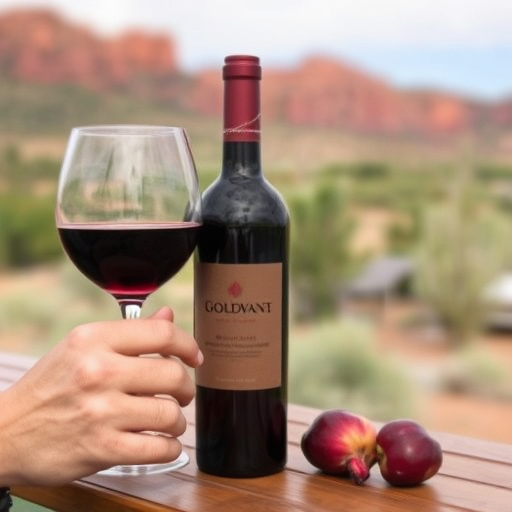
Sonoita AZ wine country offers a distinctive tasting experience rooted in its unique high desert terroir. This region, characterized by arid conditions and mineral-rich soils, cultivates grapes with remarkable characteristics. Tasting rooms here often showcase varietals like Grenache, Mourvédre, and Syrah, which thrive in the warm days and cool nights of the Sonoran Desert. These wines reflect the land’s intensity, offering complex flavors that range from deep, dark fruits to savory notes of spice and mineral.
The sense of place is a key element in Sonoita AZ wine’s appeal. Many wineries source their grapes locally, ensuring natural origins and promoting sustainability. This commitment to authenticity extends to the tasting experience itself, where winemakers often share intricate details about their processes and the specific microclimates from which their grapes hail. Visitors can expect personalized interactions, allowing them to delve deeper into the stories behind each bottle. For instance, some wineries highlight the influence of the region’s ancient volcanic activity on soil composition, while others discuss how local wind patterns impact grape ripening.
Practical insights for visitors include planning tastings during cooler parts of the day and embracing the opportunity to engage with knowledgeable staff. Many Sonoita AZ wine country estates offer guided tours and vertical tastings, providing an in-depth look at vintage variations and winemaking techniques. These immersive experiences not only satisfy curious palates but also cultivate a deeper appreciation for the high desert terroir that gives these wines their distinct character. Ultimately, embracing the unique tasting experience of Sonoita AZ wine means allowing yourself to be transported by the land’s story, reflected in every sip.
In exploring Sonoita AZ wine country’s high desert terroir, we’ve uncovered a unique blend of climate, geology, and natural characteristics that naturally shape its exceptional wines. The region’s distinct climate, elevation variations, and geological diversity contribute to a diverse range of wine styles. Understanding these factors empowers wine enthusiasts and industry professionals to fully appreciate the nuanced flavors and aromas of Sonoita AZ wines. By embracing the local terroir, visitors can enjoy a truly distinctive tasting experience, making Sonoita AZ wine country a must-visit destination for those who seek exceptional vintages in a captivating natural setting.