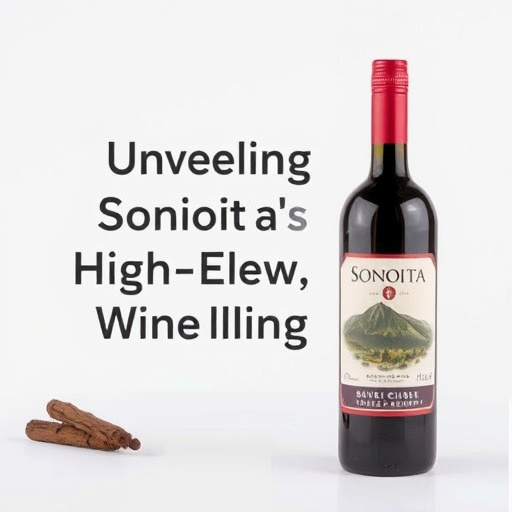
Sonoita AZ wine benefits from high elevation terroir, cool nights, and warm days, cultivating vibrant acidity, concentrated flavors, and nuanced aromatics in grapes like Viognier, Syrah, and Grenache. Winemakers navigate nutrient-poor soils with sustainable practices, offering a diverse range of styles. Visiting local wineries enhances understanding of high-altitude viticulture and unique harvest practices. The region's natural character and passion for precision make Sonoita AZ wine a premier destination for wine enthusiasts.
High elevation winemaking in Sonoita Arizona represents a unique and intriguing facet of the global wine scene. Known for its naturally cool climates and diverse terroir, Sonoita Az wine has garnered attention for producing distinctive, high-quality vintages. However, this region also faces challenges typical of elevated regions—variability in growing seasons, impacts from extreme weather events, and managing specific grape varieties suited to these conditions. This article delves into the art and science behind successful high elevation winemaking in Sonoita, exploring strategies and innovations that ensure its continued prosperity as a leading wine producer in unexpected terrain.
- Uncovering Sonoita AZ's High-Elevation Wine Secrets
- The Art of Winemaking at Natural Heights in Sonoita Arizona
Uncovering Sonoita AZ's High-Elevation Wine Secrets
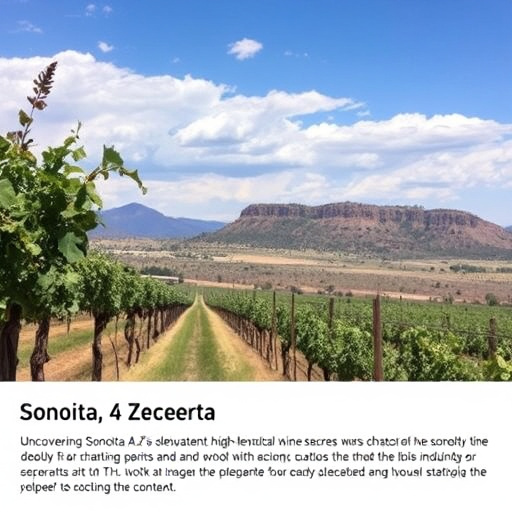
Sonoita Arizona wine has carved out a distinctive niche for itself, largely due to its high elevation terroir. At elevations exceeding 4,000 feet, the region benefits from cooler temperatures, distinct day-night temperature swings, and longer growing seasons compared to lower-lying vineyards. These factors contribute to the unique character of sonoita az wine, known for its vibrant acidity, concentrated flavors, and nuanced aromatics. Grape varieties like Viognier, Syrah, and Grenache thrive in this environment, producing wines that exemplify the region’s terroir.
The high-elevation ecosystem presents both challenges and opportunities for winemakers in Sonoita AZ. Soils are often nutrient-poor, demanding meticulous viticultural practices to optimize grape quality. However, these conditions also foster slow ripening, allowing grapes to develop complex flavors and balance. Many local wineries embrace sustainable and organic farming methods, reflecting a commitment to preserving the region’s natural beauty while crafting exceptional wines. The result is a diverse range of sonoita az wine styles, from crisp white blends to rich red wines with distinct regional signatures.
For wine enthusiasts seeking authentic experiences, exploring Sonoita AZ’s high-elevation vineyards offers a chance to uncover the secrets behind its distinctive wines. Visiting local wineries provides an opportunity to learn about the unique challenges and rewards of viticulture in this elevation. Tasting rooms often offer insights into the winemakers’ art, sharing stories of their terroir, harvest practices, and the specific character each vintage imparts. By engaging with these experts, visitors can gain a deeper appreciation for the passion and precision that goes into crafting sonoita az wine naturally.
The Art of Winemaking at Natural Heights in Sonoita Arizona
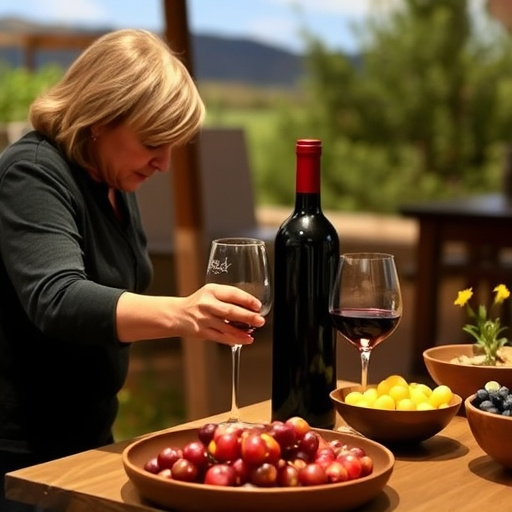
Sonoita Arizona, nestled at an elevation of over 4,000 feet, has emerged as a beacon for high-altitude winemaking, where nature’s unique conditions contribute to the creation of exceptional wines that are truly Sonoita Az wine naturally. This region’s cold nights and warm days, a result of its mountainous terrain, slow down the ripening process, allowing grapes to develop complex flavors and higher acidity levels. Viticulturists and winemakers here have harnessed this environment to produce a diverse range of varietals, from robust reds like Syrah and Grenache to crisp whites such as Sauvignon Blanc and Riesling.
The art of winemaking in Sonoita Arizona goes beyond simply following traditional practices; it involves a deep understanding of the local terroir. Winemakers carefully select grape varieties suited to the climate and adapt their cultivation techniques accordingly. For instance, many producers use canopy management to optimize sun exposure and air circulation, which can significantly impact the grapes’ flavor profile. Additionally, the region’s high elevation provides a cooler climate that slows down fermentation, allowing for more intricate aromatic development in red wines and preserving the bright, crisp characteristics of white varieties.
Practical insights for aspiring winemakers in Sonoita include investing time in understanding the unique challenges and opportunities presented by the high-altitude environment. This might involve studying local grape varieties’ behavior, learning about proper pruning techniques suited to cooler climates, and gaining experience with various fermentation methods. Many successful wineries in the area offer tours and tastings, providing valuable educational experiences for enthusiasts looking to delve into the art of high-elevation winemaking. These visits not only allow visitors to appreciate the unique characteristics of Sonoita Az wine naturally but also offer a chance to connect with experts who can share their knowledge and insights.
High-elevation winemaking in Sonoita Arizona, known for its unique terroir, offers distinct advantages in creating exceptional wines. Key insights reveal that at higher elevations, grapes ripen slowly due to cooler temperatures, resulting in naturally balanced sugars and acids. This slow maturation allows winemakers in Sonoita AZ to produce wines with remarkable complexity and character. The article highlights the art of crafting sonoita az wine naturally, emphasizing the importance of local knowledge, sustainable practices, and an understanding of microclimates. By embracing these principles, winemakers can showcase the region’s distinctive flavors, making their wines sought-after by connoisseurs worldwide. These insights empower both enthusiasts and industry professionals to appreciate and support the thriving wine culture in Sonoita Arizona.