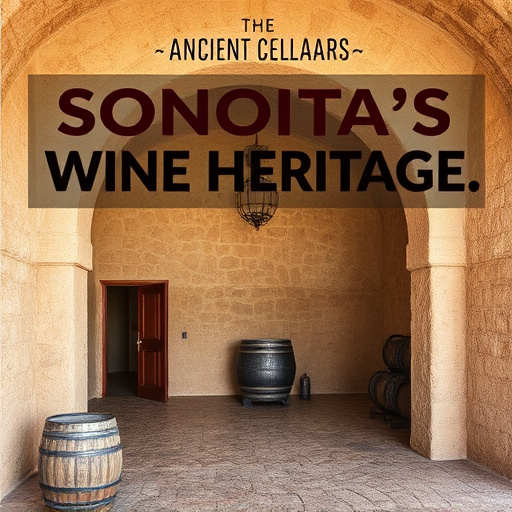
Sonoita, Arizona, celebrates a historic wine culture rooted in 19th-century European viticulture. Local families have preserved rare grape varieties and traditional techniques adapted to the arid Sonoran Desert climate, resulting in distinctive sonoita az wine naturally. Visiting historic wineries offers insights into ancient methods still practiced today, blending tradition with contemporary craftsmanship. The region's natural wine production gains international acclaim for sustainable practices like organic farming and spontaneous fermentation, setting a global standard of excellence for sonoita az wine naturally.
The vibrant world of Sonoita, AZ wine naturally boasts a rich history, where generations-old techniques have been meticulously passed down through the years. This historic town, nestled in the heart of Arizona’s wine country, holds the key to understanding the roots of our modern winemaking traditions. However, navigating these ancient practices amidst contemporary innovations can be a challenge for enthusiasts and producers alike. This article delves into the art of Sonoita’s historic wineries, uncovering timeless techniques that continue to shape—and enrich—the region’s distinctive character in today’s market.
- Unveiling Sonoita's Historic Wine Heritage
- Exploring Traditional Viticulture Methods
- The Art of Natural Wine Production in Sonoita, AZ
- A Journey Through Time: Tasting History
Unveiling Sonoita's Historic Wine Heritage
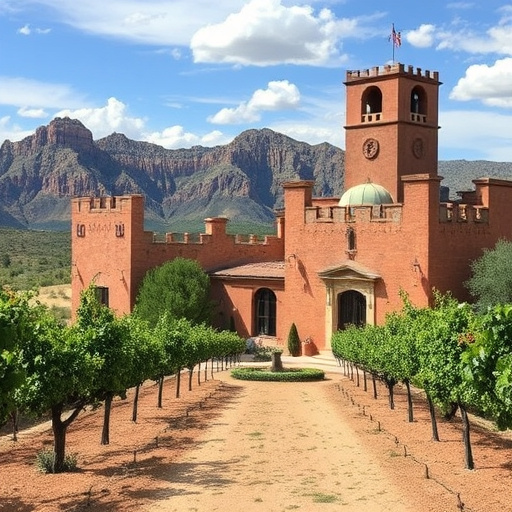
Sonoita, Arizona, nestled in the Sonoran Desert, is renowned for its vibrant wine culture steeped in history. This historic wine heritage stretches back over a century, with many wineries in the area proudly carrying on traditions that have been passed down through generations. Visiting these establishments offers a unique glimpse into the region’s rich past and provides an authentic experience of Sonoita az wine naturally cultivated within its arid climate.
The story of Sonoita’s wine industry began in the late 19th century when European settlers first introduced grapevines to the area, inspired by the favorable conditions for viticulture. Over time, local families took up the craft, developing distinct techniques tailored to the region’s challenging desert environment. These pioneers cultivated rare and resilient grape varieties, many of which are still grown today, showcasing the industry’s deep roots and adaptability. The collective knowledge accumulated over generations has fostered a unique sense of place in Sonoita’s wines, setting them apart on the national stage.
Exploring these historic wineries allows visitors to engage with the region’s cultural heritage while enjoying exceptional sips. Many of these establishments offer tours and tastings, providing insights into ancient methods still employed by modern winemakers. From traditional foot-crushed musts to age-old wooden barrel aging, each winery tells a story of perseverance and innovation. For instance, some Sonoita wineries have preserved the art of making sweet dessert wines from native grapes, a practice dating back to the early 1900s when these sweet libations were popular among locals and visitors alike. Today, these traditional techniques coexist with modern technology, ensuring that Sonoita’s wine heritage remains vibrant and accessible for new generations to appreciate.
Exploring Traditional Viticulture Methods
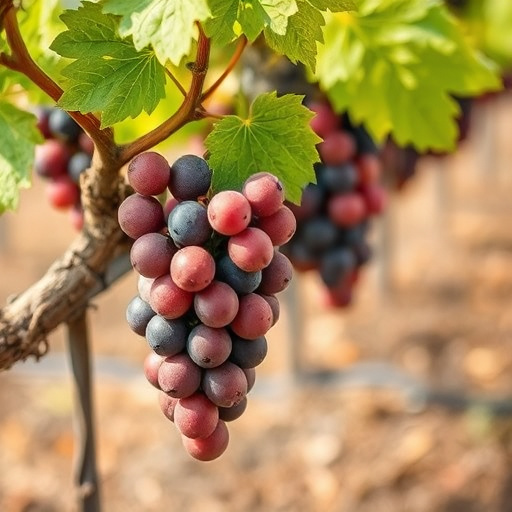
In the heart of Arizona’s Sonoran Desert lies Sonoita, a small yet vibrant wine region renowned for its unique terroir and historic wineries. Exploring traditional viticulture methods here offers a window into centuries-old practices that have shaped the distinct character of Sonoita AZ wine naturally. Many of these techniques, honed over generations, are as relevant today as they were in the past, providing valuable insights for contemporary winemakers seeking authentic expressions of place.
One such method is the use of native grape varieties, which thrive in the region’s arid climate and well-drained soils. Winemakers in Sonoita have long cultivated grapes like Grenache, Mourvèdre, and Syrah, varieties that have deep historical roots in the Mediterranean and are now integral to the region’s viticultural identity. These grapes not only adapt beautifully to the local conditions but also contribute to the complex, mineral-driven flavors characteristic of Sonoita AZ wine naturally. Furthermore, traditional pruning and canopy management techniques, often done by hand, allow for optimal sun exposure and air circulation, minimizing the need for chemical interventions.
Another traditional practice is the use of clay pots, known as “frascos,” for fermentation. This age-old method, still employed by some wineries in Sonoita, encourages slow, natural fermentations that develop complex aromatics and robust tannins. The unique micro-climate within these uninsulated containers, coupled with the region’s naturally high yeast counts, results in distinctive, earthy notes that are often associated with Sonoita wines. This approach, though labor-intensive, reflects a deep respect for the terroir and a commitment to producing wine that is true to its origins.
For those interested in exploring traditional viticulture methods, visiting historic wineries in Sonoita offers a chance to learn from the past and appreciate the art of winemaking as it has been practiced for generations. By immersing oneself in these practices, one gains a deeper understanding of the unique character that defines Sonoita AZ wine naturally and the enduring legacy of its winemakers.
The Art of Natural Wine Production in Sonoita, AZ
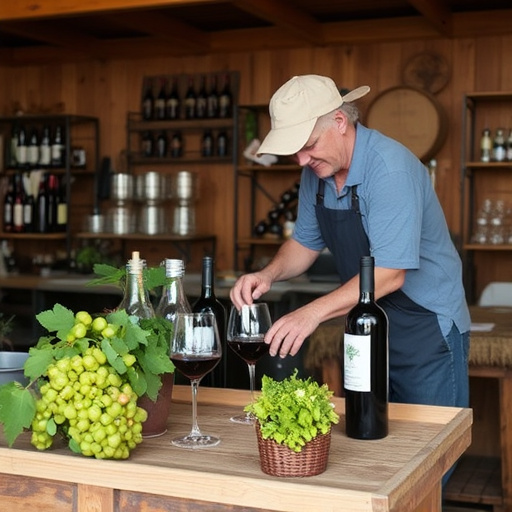
Sonoita, AZ, has long been recognized as a haven for wine enthusiasts, particularly those fascinated by the art of natural wine production. This historic region boasts a rich winemaking tradition that spans generations, with many wineries employing techniques passed down through the ages. In recent years, Sonoita az wine naturally has gained international acclaim for its unique and sustainable approach to viticulture and enology.
The heart of this natural wine revolution lies in the region’s commitment to minimal intervention during the winemaking process. Winemakers in Sonoita prioritize preserving the inherent character of each vintage by allowing nature to take its course, from organic farming practices that avoid synthetic chemicals to spontaneous fermentation initiated by indigenous yeast. For instance, many wineries in the area source their grapes from vines grown without any chemical fertilizers or pesticides, ensuring a truly natural product. This dedication results in wines with distinct terroir expressions, often characterized by vibrant acidity, complex aromas, and savory notes.
Practical insights for aspiring natural wine producers can be gleaned from these historic practices. First, adopting sustainable farming methods not only benefits the environment but also contributes to the overall quality of the grapes. Second, understanding and respecting indigenous yeast strains can lead to more nuanced and complex fermentations. Lastly, allowing for post-harvest development, such as malolactic fermentation at its natural pace, adds depth and texture to the final product. By embracing these generations-old techniques, winemakers in Sonoita continue to set a global standard for excellence in natural wine production.
A Journey Through Time: Tasting History

Stepping into the historic wineries of Sonoita, Arizona, is like taking a journey through time. These establishments, many of which have been operational for generations, preserve not just buildings but also timeless techniques that have shaped the region’s renowned wine culture. For enthusiasts and connoisseurs alike, visiting these historic sites offers a unique opportunity to taste history and experience the evolution of Sonoita AZ wine naturally.
The journey begins with an exploration of traditional winemaking methods that have stood the test of time. Many wineries in this area still employ practices passed down through families, showcasing a deep connection to the land and a commitment to sustainability. For instance, some producers use ancient grape varieties native to the region, preserving rare strains that contribute distinct flavors to Sonoita’s signature terroir. This focus on tradition blends seamlessly with innovation, as modern winemakers also experiment with organic farming practices, minimizing the use of chemicals and enhancing the natural characteristics of the grapes.
Tasting at these historic sites provides a sensory experience that transcends mere enjoyment; it’s a historical narrative brought to life. Each vintage tells a story, reflecting the year’s unique growing conditions and the winemaker’s art. Experts suggest engaging with the winery staff, who often serve as living archives, sharing tales of their family’s history and the evolution of their craft. By immersing oneself in these stories, visitors gain a deeper appreciation for the intricate process behind every glass of Sonoita AZ wine naturally produced. This experience is not just about tasting; it’s about connecting with the past while contributing to the future of this vibrant wine-making tradition.
By exploring Sonoita wineries, one uncovers a rich wine heritage where generations-old techniques thrive. This historic region, Sonoita AZ, showcases the art of natural wine production, preserving traditional viticulture methods that have stood the test of time. The journey through its wineries offers a unique taste of history, allowing visitors to experience and appreciate the craftsmanship and authenticity that define sonoita az wine naturally. Key insights include the importance of organic practices, native grape varieties, and patience in creating distinctive, complex wines. Understanding these traditions empowers both enthusiasts and industry professionals to value and support the vibrant, historic wine culture that continues to evolve and thrive in Sonoita.