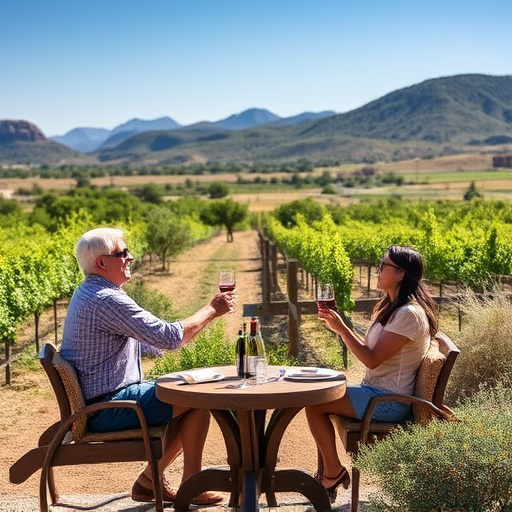
Sonoita AZ Wine Country distinguishes itself through its commitment to eco-friendly winemaking practices, thriving in Arizona's Sonoran Desert. Key features include water conservation via native plant cultivation, biodiversity preservation through integrated land management, renewable energy adoption like solar panels, and global recognition from prestigious organic wine associations. Winemakers employ sustainable methods such as cover cropping, composting, and minimal intervention, resulting in nuanced, flavorful wines. These practices not only preserve the region's unique terroir but also support a thriving ecosystem, attracting visitors seeking an immersive, responsible wine experience in stunning natural surroundings.
Arizona’s wine country, known for its rugged beauty and diverse ecosystems, offers a unique opportunity to unwind amidst nature. As the eco-conscious travel trend gains momentum, exploring sonoita az wine naturally becomes paramount. The traditional winemaking industry’s environmental impact is undeniable, but innovative, sustainable practices are transforming wineries into eco-oases. This article delves into how these eco-friendly wineries not only produce exceptional vintages but also preserve the region’s natural splendor. By embracing renewable energy, water conservation, and organic viticulture, they offer a refreshing retreat for wine enthusiasts seeking both quality and sustainability.
- Discovering Eco-Conscious Winemaking in Sonoita AZ Wine Country
- The Natural Beauty of Arizona's Organic Vineyards
- Tasting Notes: Uniquely Terraced Wines from Sonoita
- Sustainable Practices: Revolutionizing Arizona's Wine Scene
Discovering Eco-Conscious Winemaking in Sonoita AZ Wine Country
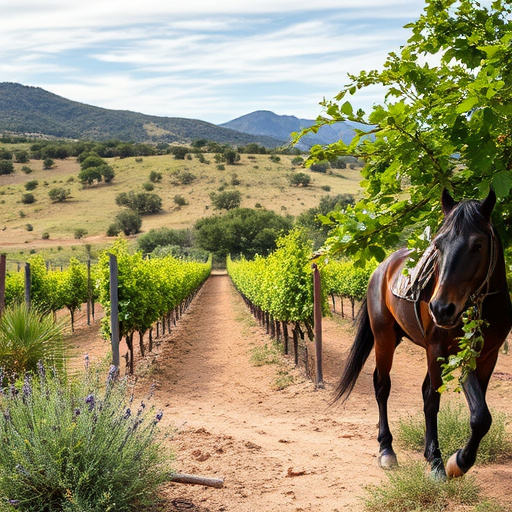
In the heart of Arizona’s Sonoran Desert lies Sonoita AZ Wine Country, a region renowned not just for its exceptional wines but also for its commitment to eco-friendly winemaking practices. This small yet vibrant community of vineyards and wineries stands as a shining example of how sustainable agriculture can thrive in seemingly inhospitable environments. With an average annual rainfall of less than 12 inches, Sonoita AZ wine country has embraced innovative solutions to conserve water, manage land, and reduce the carbon footprint associated with winemaking.
One of the key factors that set apart Sonoita’s wineries is their seamless integration of natural landscapes. Many vineyards here are cultivated with native plants and grasses, which not only help retain soil moisture but also provide habitat for local wildlife. This approach not only minimizes chemical usage but also enhances the terroir—the unique blend of geography, climate, and soil—that gives Sonoita wines their distinctive character. For instance, Calistoga Cellars has implemented a comprehensive biodiversity program that includes planting native creosote bush and mesquite trees to stabilize soils and provide natural shade for grapes during hot summer months.
Beyond water conservation and habitat preservation, Sonoita AZ wine country wineries are leaders in renewable energy adoption. Many operations utilize solar panels to meet their energy needs, reducing reliance on fossil fuels. The region’s first-of-its-kind “wine train” initiative, operated by Elan Wine Tours, offers visitors a sustainable way to explore multiple vineyards without the need for individual car trips. This collaborative effort not only reduces carbon emissions but also promotes community engagement and awareness of eco-friendly practices. These innovative strategies have earned Sonoita AZ wine country global recognition, with several wineries earning certifications from organizations like the International Organic Wine Association (IOWA) and Sustainable Wine Production (SWP).
For those seeking an authentic and responsible wine country experience, exploring the eco-conscious wineries of Sonoita is a must. Not only will visitors enjoy world-class wines, but they’ll also gain insights into how sustainable practices can shape the future of agriculture in challenging environments. By choosing to unwind in Sonoita AZ wine country, you’re not just tasting exceptional vintages; you’re contributing to a movement that prioritizes environmental stewardship and the preservation of this unique desert landscape for generations to come.
The Natural Beauty of Arizona's Organic Vineyards
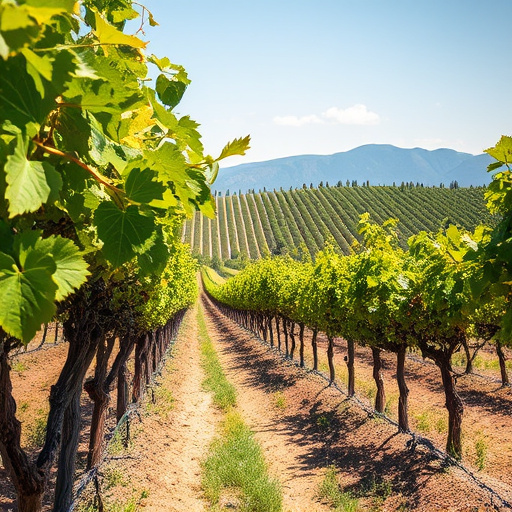
Arizona’s wine country, particularly the Sonoita AZ wine naturally region, stands as a testament to harmonious coexistence between viticulture and environmental stewardship. The lush vineyards here aren’t just scenic; they’re carefully cultivated organic oases that showcase the state’s commitment to sustainable practices. This area boasts some of the nation’s most vibrant, diverse ecosystems, attracting eco-conscious travelers seeking both relaxation and an authentic connection to nature.
The natural beauty of Arizona’s organic vineyards is a result of dedicated efforts to minimize environmental impact. Winemakers in Sonoita AZ wine naturally use methods like cover cropping, composting, and integrated pest management to foster healthy soil without synthetic chemicals. This holistic approach not only preserves the area’s unique biodiversity but also produces grapes of exceptional quality. Visitors can witness these practices firsthand, enjoying panoramic views of verdant vineyards nestled amidst majestic mountains—a picturesque setting that perfectly complements the region’s award-winning wines.
Eco-friendly wineries in Arizona offer more than just a chance to savor fine vintages; they provide an immersive experience. Many properties host nature walks, allowing guests to explore indigenous flora and fauna. Some even incorporate solar power and native landscaping, further demonstrating their commitment to sustainability. For those seeking a truly tranquil escape, a day spent wandering among the vines at one of these wineries—such as Sonoran Heights Vineyard or Blue Cloud Vineyards—can be a rejuvenating experience, offering both mental and physical rejuvenation in harmony with Arizona’s stunning natural landscape.
Tasting Notes: Uniquely Terraced Wines from Sonoita
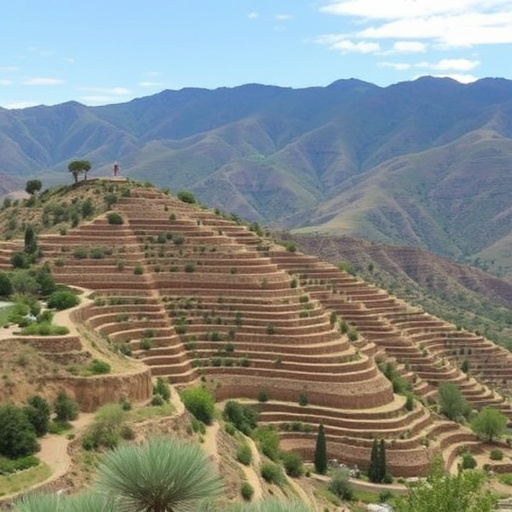
The terroir of Sonoita, AZ wine country, with its diverse microclimates and elevation changes, fosters unique expression in wines grown here. One of the standout features of Sonoita’s vineyards is their terraced slopes, a testament to the region’s commitment to sustainable practices. These natural terraces not only offer breathtaking panoramic views but also allow for precise viticulture, where each level benefits from distinct sun exposure and soil composition. This careful approach translates directly into the wines produced, resulting in exceptionally nuanced and flavorful varieties.
Tasting a Sonoita Az wine naturally grown on these terraces is like experiencing the terroir in all its glory. The unique conditions encourage a wide range of grape varieties to thrive, leading to diverse wine styles. For example, Sauvignon Blanc from Sonoita often exhibits vibrant citrus and herbal notes, while Cabernet Franc shows robust black cherry and spicy hints. These wines are not just delicious but also serve as a true representation of the region’s distinct character. Winemakers in Sonoita prioritize minimal intervention, allowing the natural characteristics of the grapes to shine through, resulting in truly authentic and memorable sips.
When visiting eco-friendly wineries in Sonoita, take time to appreciate these terraced wines not only for their quality but also for their place within the sustainable landscape. Many wineries here employ organic farming methods, reduce water usage, and embrace renewable energy sources. This commitment extends beyond the vines to the overall environmental stewardship of the region. By enjoying these locally produced wines, visitors actively support a thriving ecosystem and contribute to the preservation of Sonoita’s unique terroir for future generations.
Sustainable Practices: Revolutionizing Arizona's Wine Scene
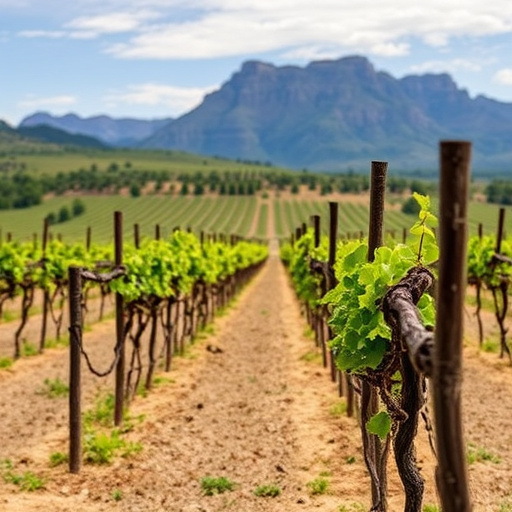
Arizona’s wine country is experiencing a quiet revolution, driven by sustainable practices that are transforming both the environment and the quality of its renowned wines. At the forefront of this movement are wineries in Sonoita AZ, who are embracing eco-friendly approaches to viticulture, crafting not just exceptional wines but also contributing to a healthier planet. This shift towards sustainability is not merely a trend; it’s a necessary evolution for an industry that, globally, faces significant environmental challenges.
Sonoita AZ wine naturally benefits from a unique set of conditions—mild winters, hot summers, and abundant sunlight—that lend themselves well to organic farming. Many wineries here have embraced these advantages by implementing practices like permaculture design, where vines are interwoven with native flora to enhance biodiversity and reduce the need for chemical interventions. Some operators utilize biodynamic methods, employing natural composts and specific planting schedules to promote soil health and minimize environmental impact. For instance, Tlaquepaque Winery has been practicing organic viticulture for over two decades, showcasing that sustainable wine production can be both profitable and ecologically sound.
Beyond organic farming, Arizona’s wineries are leveraging renewable energy sources, such as solar panels, to power their operations and reduce carbon footprints. They’re also implementing water conservation strategies, including drip irrigation systems and rainwater collection, to mitigate the significant water demands of grape cultivation. These efforts not only contribute to a greener wine industry but also resonate with consumers who increasingly demand environmentally responsible products. By embracing these innovative practices, Arizona’s wine scene is poised to capture global attention as a leader in eco-friendly viticulture, ensuring its wines maintain their premium status while preserving the region’s natural beauty for future generations.
In exploring eco-friendly wineries in Sonoita, AZ Wine Country, this article has unveiled a world where sustainable winemaking practices and exceptional organic wines harmoniously coexist. Key insights include the region’s commitment to preserving natural landscapes, with terraced vineyards showcasing the beauty of Sonoita az wine naturally. Tasting notes highlight unique, terroir-driven wines that reflect the area’s distinct character. Furthermore, the adoption of sustainable practices is revolutionizing Arizona’s wine scene, positioning it as a leader in eco-conscious production. Readers now understand the profound impact these efforts have on both the environment and the quality of Sonoita’s renowned wines, offering them an enriching experience that connects them to the region’s rich heritage and future prospects.